The Dominican Republic's culinary identity is shaped by three major cultural streams: the indigenous Taíno people, who cultivated cassava, corn, and tropical fruits; West African communities brought to the island during the colonial period, who introduced cooking techniques and ingredients such as plantains and black-eyed peas; and Spanish settlers, who contributed rice, pork, and a tradition of slow-cooked stews. The result is a cuisine that is both deeply Caribbean and distinctly Dominican.
La Bandera: The National Dish
The most emblematic meal in Dominican households is La Bandera Dominicana, meaning the Dominican Flag. The dish consists of white rice, stewed red beans, and braised meat — typically chicken or beef — served alongside fried sweet plantains known as tostones or maduros. The combination mirrors the colors of the national flag, a symbolism that has embedded the meal into everyday cultural life across the country.
Staple Ingredients and Street Food
Cassava, locally called yuca, holds a foundational role in Dominican cooking. It appears in sancocho, a hearty multi-meat stew considered a festive and ceremonial dish throughout the country, as well as in cassava flatbreads historically prepared by Taíno communities. Mangú, a mashed green plantain dish typically served at breakfast alongside fried cheese, salami, and eggs, is widely consumed across all social classes and regions.
Street food culture in the Dominican Republic centers on chicharrón de pollo — fried chicken pieces seasoned with citrus and garlic — alongside empanadas and yaroa, a layered fast food dish combining fries, meat, and cheese that has grown in urban popularity in recent years.
Regional Variations
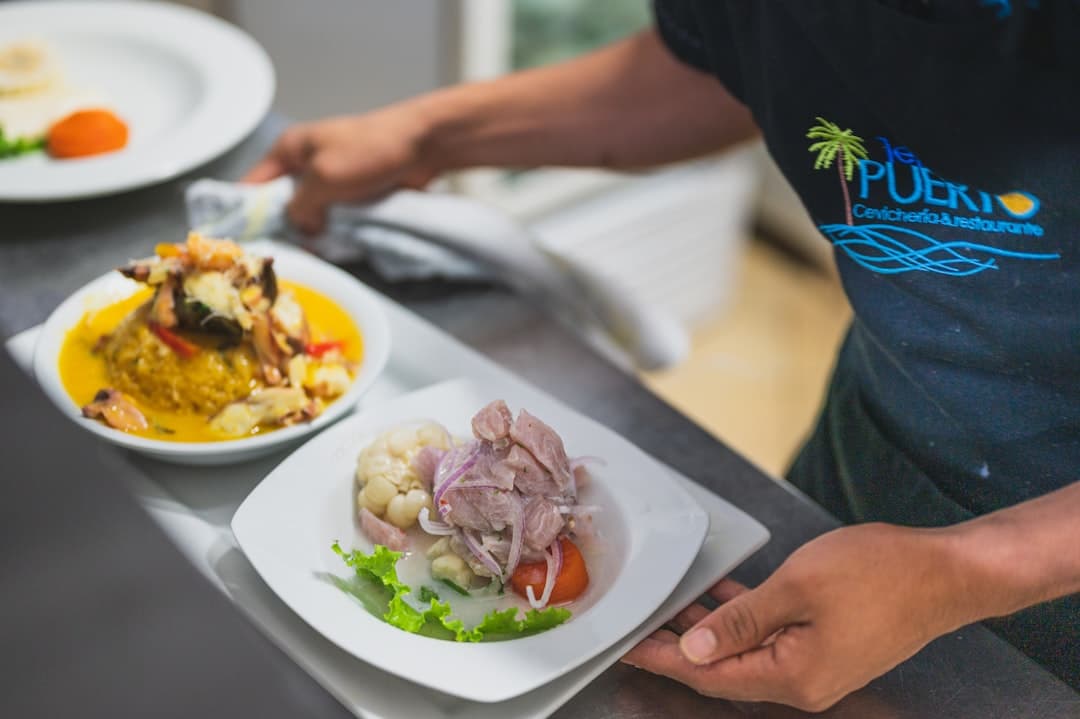
Coastal areas, particularly around Samaná and Puerto Plata, feature heavier use of coconut milk in seafood preparations, a culinary practice linked to Afro-Caribbean communities who settled those regions. The Cibao valley in the north is associated with more meat-centered traditions, reflecting its agricultural and ranching history.
Dominican cuisine has also gained international visibility through diaspora communities in the United States and Europe, where Dominican restaurants have expanded awareness of the country's food traditions beyond the Caribbean basin.
Open Questions
How are younger Dominican chefs reinterpreting traditional dishes for contemporary markets? To what extent are agricultural shifts affecting the availability of heritage ingredients such as native varieties of yuca and corn?
Sources: Britannica — Dominican Republic; UNESCO Cultural Heritage documentation on Caribbean foodways; Smithsonian Latino Center resources on Caribbean culinary history; FAO regional agricultural reports on the Caribbean.
This article is based on a verified primary source. The text was editorially reviewed and fact-checked prior to publication.