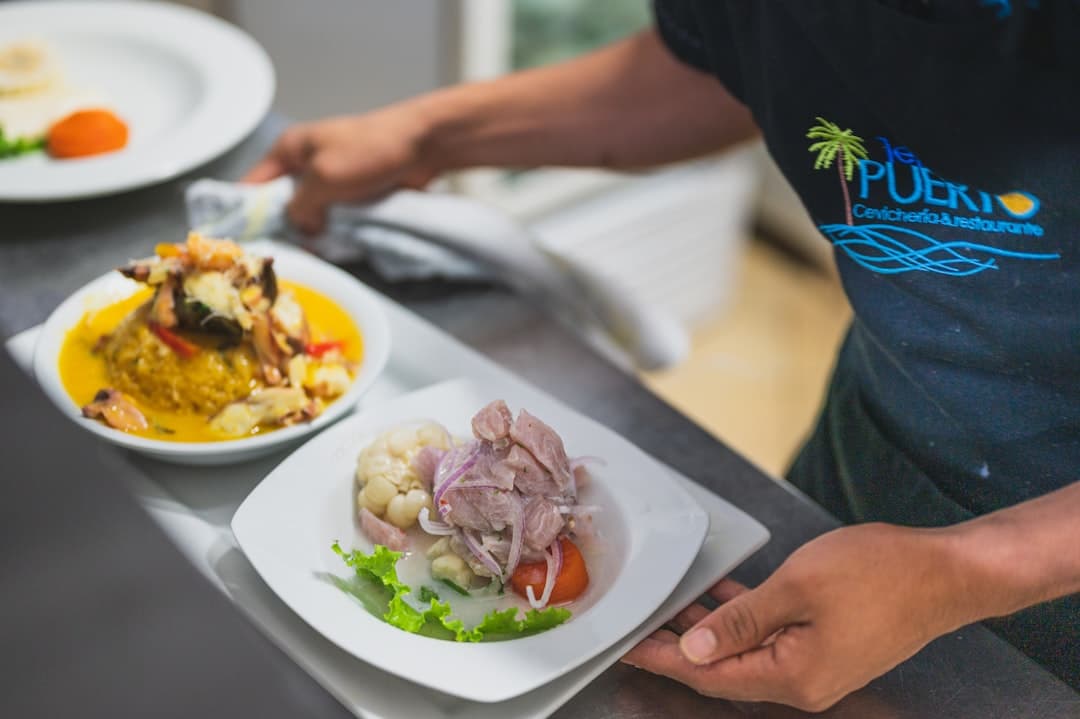
The Dominican Republic's cuisine reflects centuries of cultural exchange across the Caribbean. Taíno agricultural practices, African cooking techniques brought during the colonial era, and Spanish culinary traditions have merged into a recognizable national food identity that persists across both rural and urban settings.
La Bandera Dominicana
Known as the Dominican flag, La Bandera is considered the country's national dish. It consists of white rice, stewed red beans, and braised meat — most commonly chicken or beef — served alongside a small salad. The dish appears on tables across the country as a standard midday meal and is widely available in local restaurants known as comedores.
Sancocho
Sancocho is a slow-cooked stew made with various cuts of meat, root vegetables such as yuca, ñame, and plantain, and seasoned with herbs including cilantro and oregano. The dish is traditionally prepared for large gatherings and celebrations, and regional variations exist across different provinces.
Mangú
Mangú consists of boiled and mashed green plantains, typically served alongside sautéed red onions, fried cheese, salami, and eggs — a combination commonly referred to as Los Tres Golpes, or the three strikes. The dish functions as a staple breakfast across the country.
Tostones and Maduros
Fried plantains appear in two primary forms in Dominican cooking. Tostones are made from unripe green plantains that are sliced, flattened, and fried twice. Maduros use ripe, sweet plantains fried until caramelized. Both serve as common side dishes throughout the country.
Habichuelas con Dulce
A seasonal sweet preparation made from cream of kidney beans, coconut milk, sugar, and spices, Habichuelas con Dulce is traditionally consumed during the Lenten season. The dish is served chilled or at room temperature, often alongside sweet cookies called casabitos.
Open Questions
Researchers and food historians continue to document how Dominican recipes vary between coastal and inland communities, and how diaspora populations in the United States and Europe have adapted these dishes over generations.
Sources: Ministerio de Cultura de la República Dominicana; Caribbean Studies Association publications; Biblioteca Nacional Pedro Henríquez Ureña
This article is based on a verified primary source. The text was editorially reviewed and fact-checked prior to publication.