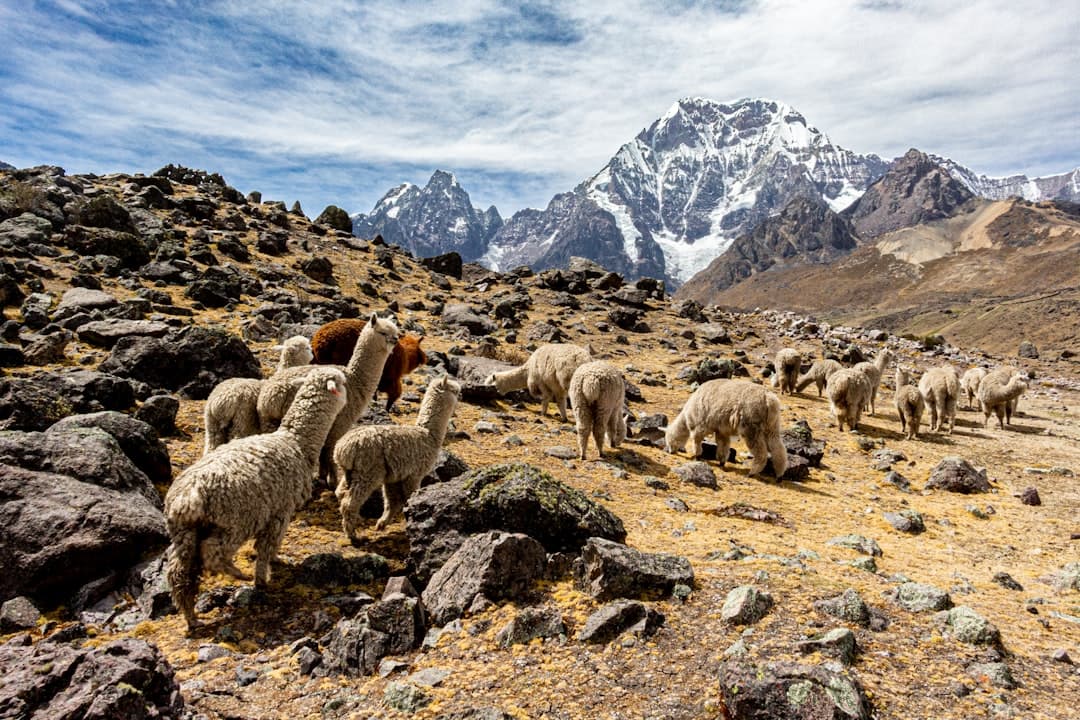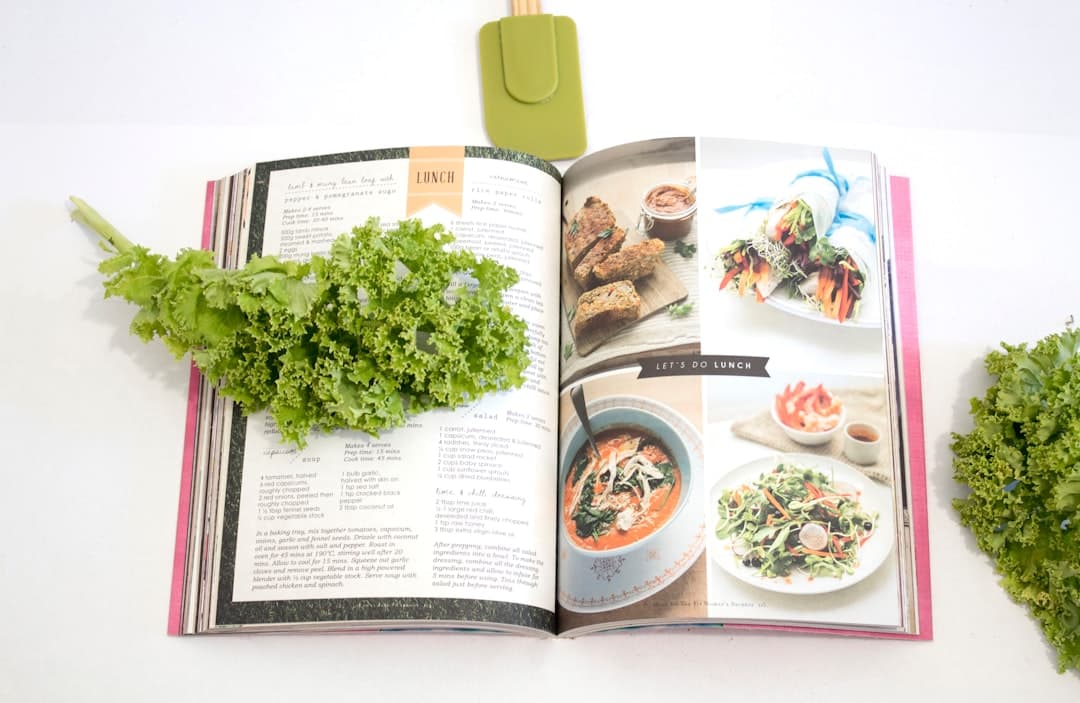
Ecuador's culinary identity is shaped by three distinct geographic zones — the Costa, the Sierra, and the Oriente — each contributing its own ingredients, techniques, and flavor profiles to the national table. The result is a cuisine that resists easy generalization, with dishes rooted in Indigenous, Spanish colonial, and African culinary traditions.
Highland Staples
In the Andean highlands, locro de papa stands as one of the most recognized dishes in the country. This thick potato soup is typically prepared with local varieties of potato, cheese, avocado, and cream. It is commonly served as a main course rather than a starter. Another highland preparation, seco de pollo, consists of chicken slow-cooked in a sauce of tomatoes, onion, garlic, and naranjilla juice, often accompanied by white rice and fried plantains.
Coastal Preparations
Along the Pacific coast, ceviche de camarón — shrimp ceviche — differs from Peruvian versions in that the seafood is cooked rather than cured in citrus. The dish is typically served with chifles, thin slices of fried green plantain. Encocado de pescado, a fish stew prepared with coconut milk and local spices, reflects the strong Afro-Ecuadorian culinary influence in the Esmeraldas province.
Street Food and Everyday Eating
Llapingachos are pan-fried potato cakes stuffed with cheese, commonly served alongside a peanut sauce, chorizo, and a fried egg. They are widely available at markets and roadside stalls across the country. Caldo de pata, a broth made from cow's feet and hominy corn, is a traditional preparation associated with festive occasions and weekend mornings.
Drinks and Accompaniments
Chicha, a fermented beverage traditionally made from corn, has pre-Columbian origins and remains consumed in rural and Indigenous communities. Colada morada, a thick purple drink made from black corn flour and fruits, is prepared specifically during the Día de los Difuntos observances each November.
Open Questions
Documentation of Amazonian Ecuadorian cuisine remains limited in international culinary literature, and the extent to which urbanization is altering traditional preparation methods across generations has not been systematically studied.
Sources: Ministerio de Cultura y Patrimonio del Ecuador; UNESCO Intangible Cultural Heritage records; Larousse Gastronomique Latin American editions; academic literature on Andean food systems.
This article is based on a verified primary source. The text was editorially reviewed and fact-checked prior to publication.