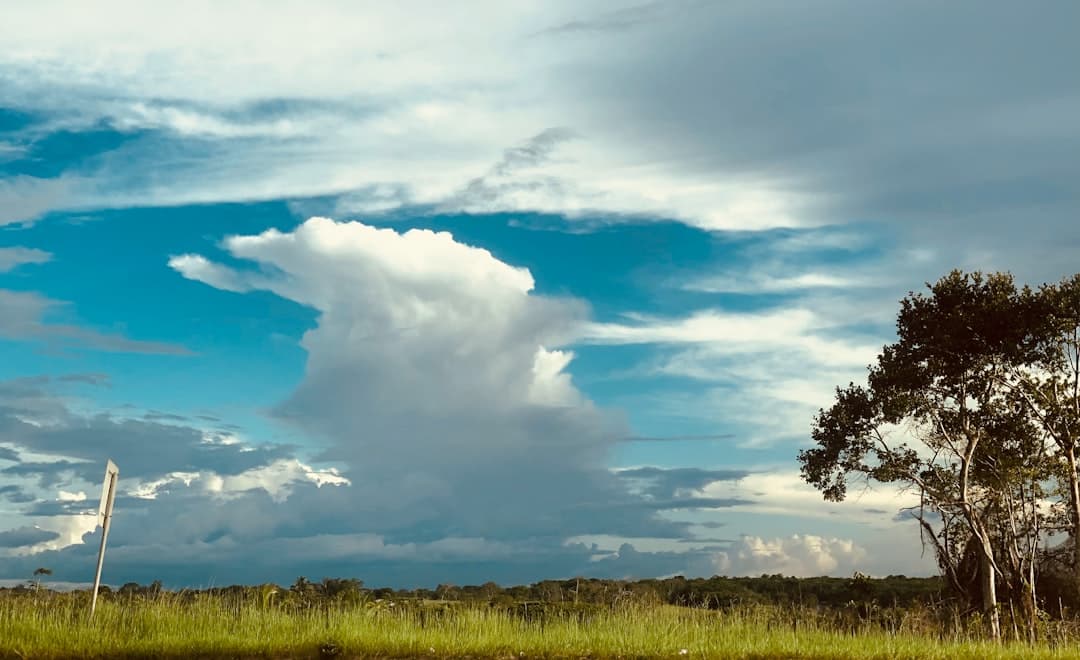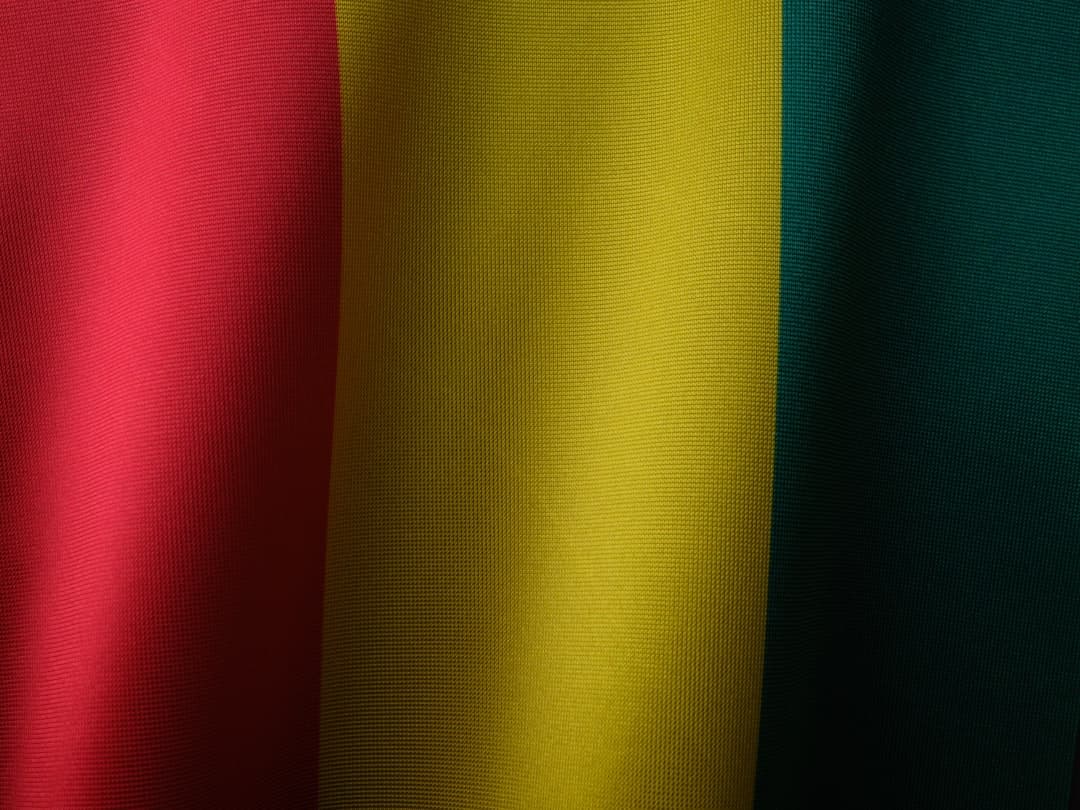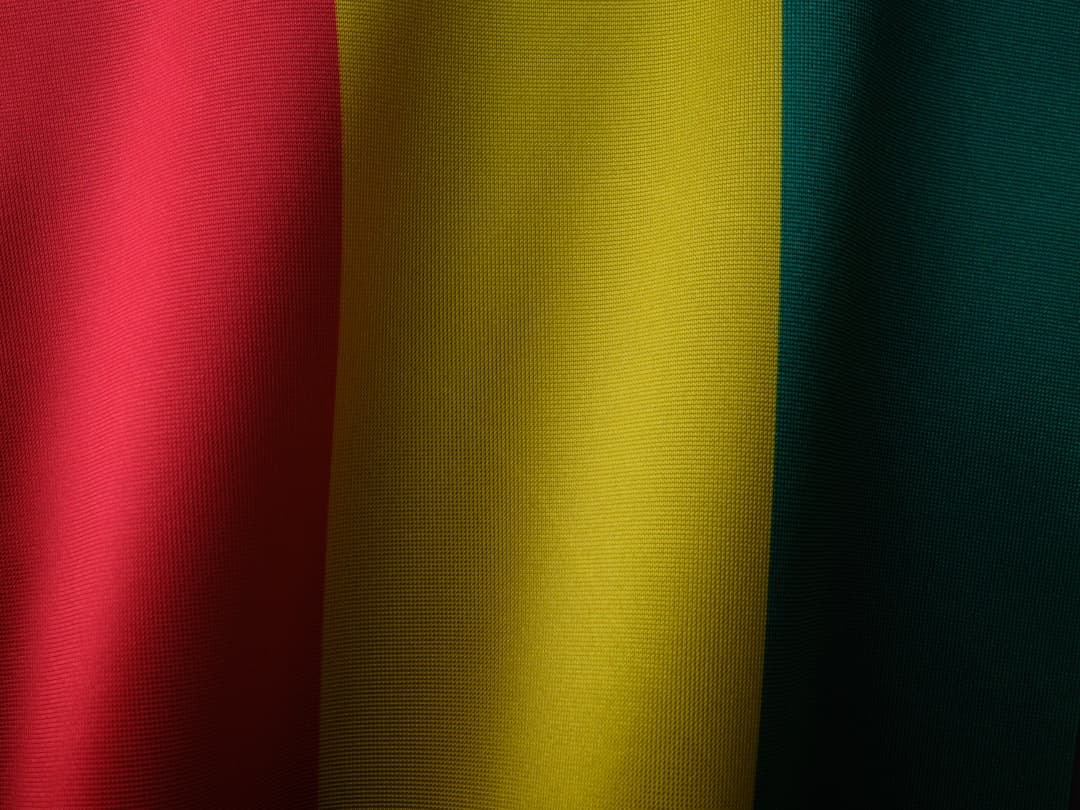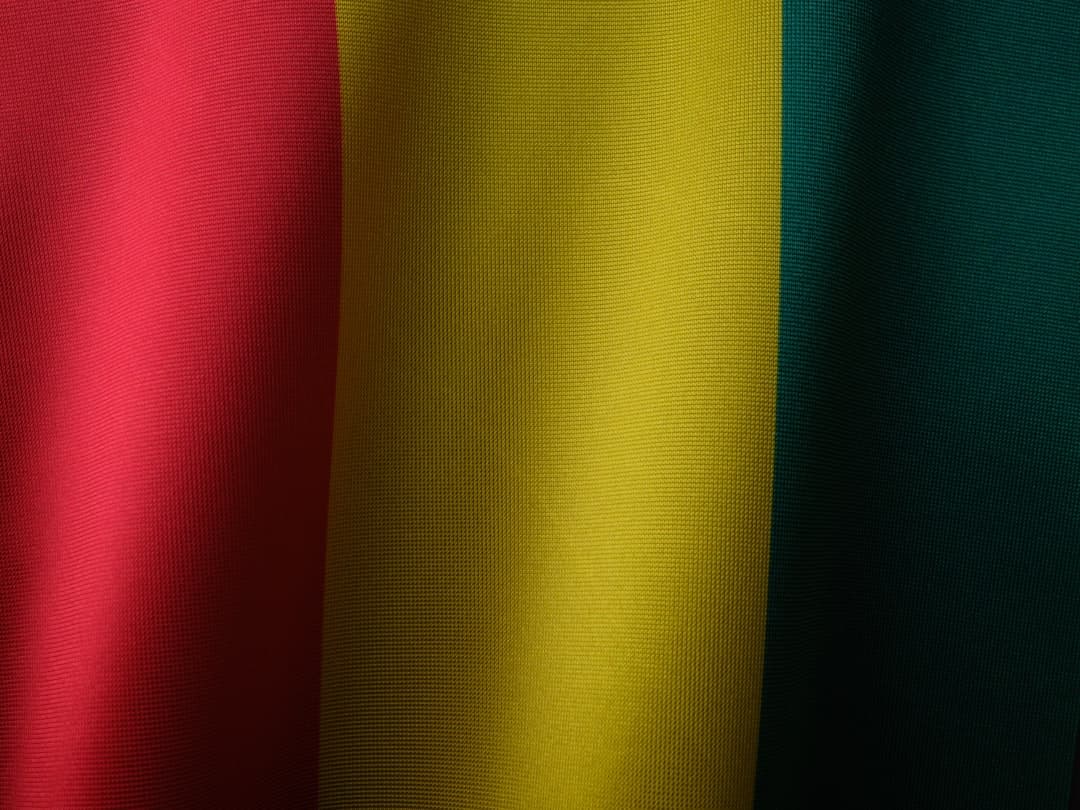
Guyana, the only English-speaking country in South America, carries a cultural heritage shaped by centuries of migration, colonial history, and Indigenous presence. That layered past expresses itself most visibly through a calendar of festivals that spans Hindu, Muslim, Christian, and secular traditions.
Hindu and Muslim Celebrations
Indo-Guyanese communities, descendants largely of indentured laborers brought from the Indian subcontinent during the 19th century, observe Diwali and Phagwah (Holi) as major annual events. Diwali, the festival of lights, sees homes and temples illuminated across the country. Phagwah marks the arrival of spring with the throwing of colored powder and water, drawing participants across ethnic lines. Eid-ul-Adha and Eid-ul-Fitr are recognized as national public holidays, reflecting the significant presence of Muslim communities in the country.
Mashramani: The National Festival
Mashramani, commonly shortened to Mash, is held each February 23 to mark Guyanese Republic Day. The festival features elaborate costume parades, calypso and chutney music competitions, and float processions through Georgetown. The name derives from an Amerindian word generally understood to mean celebration of achievement through cooperation. Mashramani is considered the country's most prominent secular cultural event.
Christian and African Heritage Traditions
Afro-Guyanese communities maintain traditions rooted in West and Central African heritage alongside mainstream Christian observances. Christmas and Easter carry strong community dimensions, with carol singing and church services forming central parts of public life. Emancipation Day, observed on August 1, commemorates the abolition of slavery in the British Empire and is marked with cultural performances and historical reflection.
Indigenous Peoples' Heritage
Guyana's nine recognized Indigenous nations observe their own cultural practices, including the annual Heritage Month, which typically takes place in September. Events during this period showcase traditional crafts, dance, and foodways of groups such as the Wapishana, Macushi, and Arawak peoples.
Open Questions
How are urbanization and internal migration affecting the transmission of rural Indigenous and Indo-Guyanese festival traditions to younger generations? To what extent has increased oil revenue influenced public investment in cultural programming?
Sources: Guyana Tourism Authority, Caribbean Community (CARICOM) cultural documentation, Emancipation Day historical records, Guyanese government public holiday registry.
This article is based on a verified primary source. The text was editorially reviewed and fact-checked prior to publication.