Cuba's cultural landscape bears deep imprints of the African diaspora, a legacy shaped by the forced migration of enslaved Africans primarily from West and Central Africa during the colonial period. This heritage permeates daily life on the island, from religious practice to music, dance, and oral tradition.
Religious Syncretism and Spiritual Traditions
Among the most visible expressions of Afro-Cuban identity is the Lucumí religious system, widely known as Santería or Regla de Ocha. Brought to Cuba by Yoruba-speaking peoples from present-day Nigeria and Benin, this tradition blended with Roman Catholic elements under colonial conditions, producing a syncretic spiritual practice that remains widely observed across the island. The Abakuá secret society, drawing roots from the Cross River region of present-day Nigeria and Cameroon, similarly maintains an active presence, particularly in Havana and Matanzas.
Music and Dance as Living Archives
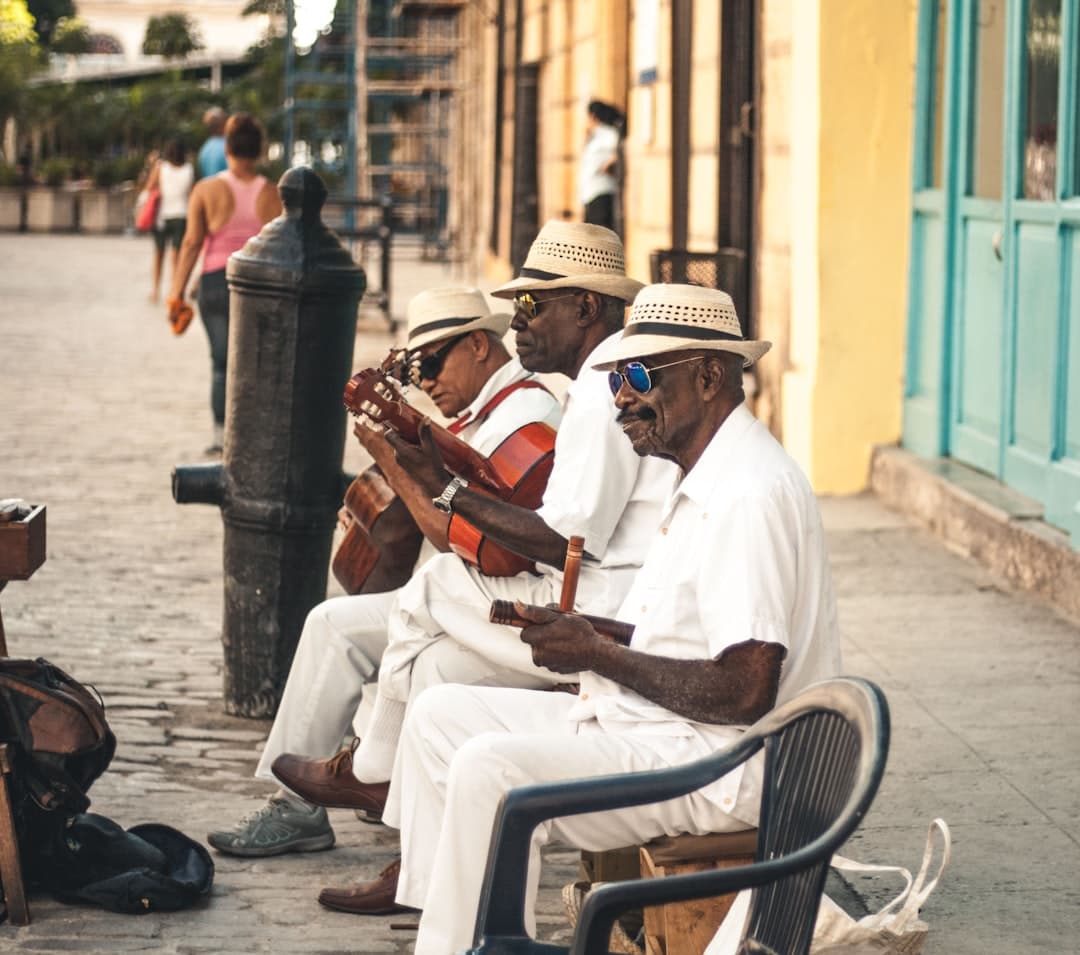
Cuban musical forms that have gained international recognition — including rumba, son, and conga — trace their structural and rhythmic foundations directly to African musical traditions. The batá drum, considered sacred in Lucumí practice, occupies a central role in both ceremonial and performance contexts. UNESCO has recognized Cuban rumba as an Intangible Cultural Heritage of Humanity, acknowledging its African-derived origins and its continued vitality within Cuban communities.
Institutional Preservation Efforts
State cultural institutions alongside independent community groups have documented and promoted Afro-Cuban heritage through festivals, academic research, and arts programming. The Casa de África in Havana serves as a museum and research center dedicated to the African roots of Cuban culture. The city of Matanzas, historically significant as a center of Yoruba and Bantu cultural retention, hosts recurring festivals that draw scholars and practitioners from across the Caribbean and Latin America.
A Broader Caribbean Context
Cuba's experience mirrors broader patterns across the Caribbean, where African-descended populations have maintained cultural continuity despite centuries of displacement and suppression. Scholars of the region situate Cuba within a wider Afro-Atlantic world connected to communities in Brazil, Haiti, Trinidad, and beyond through shared ancestry, religious networks, and musical exchange.
Open Questions
How are younger generations in Cuba navigating the tension between state-endorsed cultural programming and organic community-led preservation of Afro-Cuban traditions? What role does the diaspora, particularly in the United States, play in sustaining or transforming these practices outside the island?
Sources: UNESCO Intangible Cultural Heritage Lists; Casa de África, Havana; scholarly works by Fernando Ortiz on Afro-Cuban culture; Smithsonian Center for Folklife and Cultural Heritage regional documentation.
This article is based on a verified primary source. The text was editorially reviewed and fact-checked prior to publication.