Throughout the Guatemalan calendar, towns and villages mark the passage of seasons, saints' days, and ancestral commemorations with festivals rooted in a complex layering of pre-Columbian Maya traditions and Spanish colonial Catholic practices. The result is a distinctive cultural expression found nowhere else in Central America.
Semana Santa in Antigua
The city of Antigua Guatemala hosts one of the most widely recognized Holy Week observances in Latin America. During Semana Santa, Catholic brotherhoods known as cofradías organize elaborate processions in which participants carry massive floats depicting scenes from the Passion of Christ through cobblestone streets carpeted with intricately designed alfombras — temporary artworks assembled from colored sawdust, flowers, fruits, and pine needles. The tradition has been maintained for several centuries and draws visitors from across the Americas and Europe.
Día de los Muertos in Santiago Sacatepéquez
Each November, the municipality of Santiago Sacatepéquez becomes the setting for a distinct commemoration of the dead in which residents construct and fly enormous hand-built kites, some measuring several meters in diameter. The practice is understood locally as a means of communicating with deceased ancestors. The kites, decorated with elaborate geometric and figurative designs, represent a craft tradition passed down through generations within Maya Kaqchikel communities.
The Burning of the Devil
On December 7, households across Guatemala participate in La Quema del Diablo, a tradition in which bonfires are lit outside homes, symbolically purifying the space ahead of the Christmas season. The practice has roots that scholars trace to colonial-era Catholic observance, though its precise origins remain a subject of ongoing historical discussion.
Cultural Continuity and Transmission
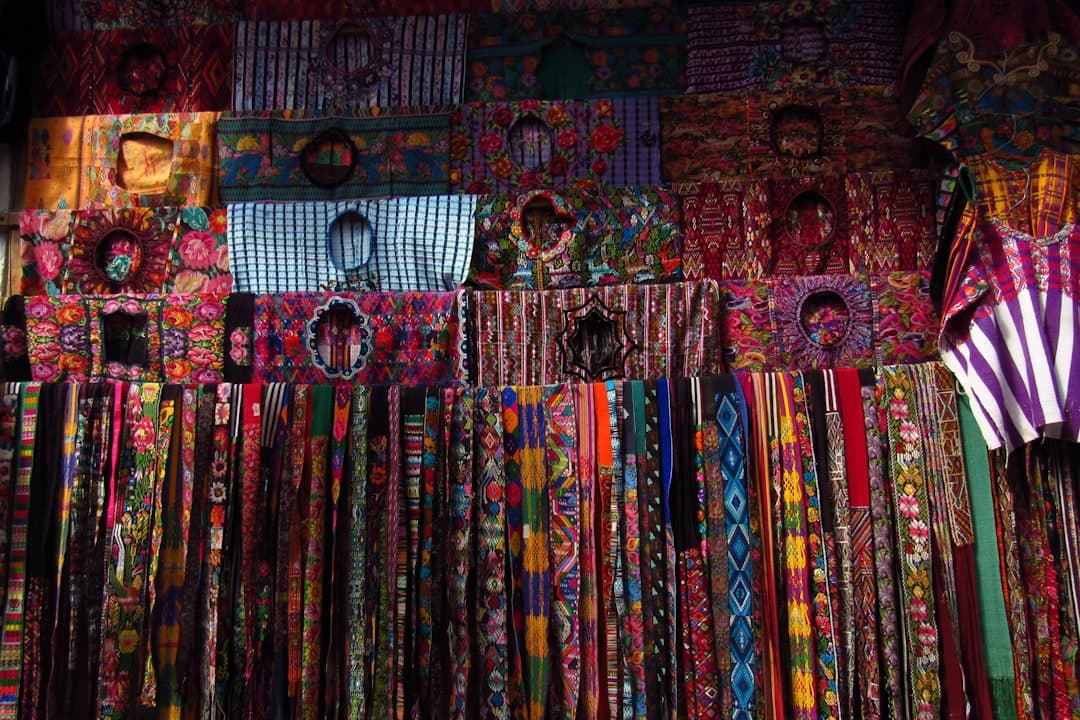
Guatemalan festivals serve as primary vehicles for the transmission of Maya languages, textile arts, music, and ceremonial knowledge between generations. Organizations such as UNESCO have recognized elements of Guatemalan intangible heritage, and national institutions work alongside indigenous communities to document and support these traditions. The festivals remain community-organized events rather than state-managed productions, a distinction that practitioners consider central to their authenticity.
Open Questions
Researchers continue to examine how increased tourism affects the internal meaning and organization of these celebrations, and whether greater external visibility supports or gradually reshapes traditional practices.
Sources: UNESCO Intangible Cultural Heritage Lists; Guatemalan Ministry of Culture and Sports; Smithsonian Center for Folklife and Cultural Heritage; academic literature on Maya-Catholic syncretism.
This article is based on a verified primary source. The text was editorially reviewed and fact-checked prior to publication.