Cuba's cultural identity is embedded in its streets, music halls, and studio spaces in ways that distinguish it from nearly every other nation in the Western Hemisphere. The island's artistic tradition draws from a complex layering of indigenous heritage, Spanish colonial history, and the profound influence of West African cultures brought through the transatlantic slave trade.
A State-Supported Arts Infrastructure
The Cuban government has historically maintained an extensive network of arts institutions, including the Instituto Superior de Arte in Havana — a campus housed in a series of architecturally renowned buildings constructed in the early 1960s on a former country club. The state funds arts education from an early age, producing trained musicians, dancers, visual artists, and filmmakers through a structured national curriculum.
Music as a Living Tradition
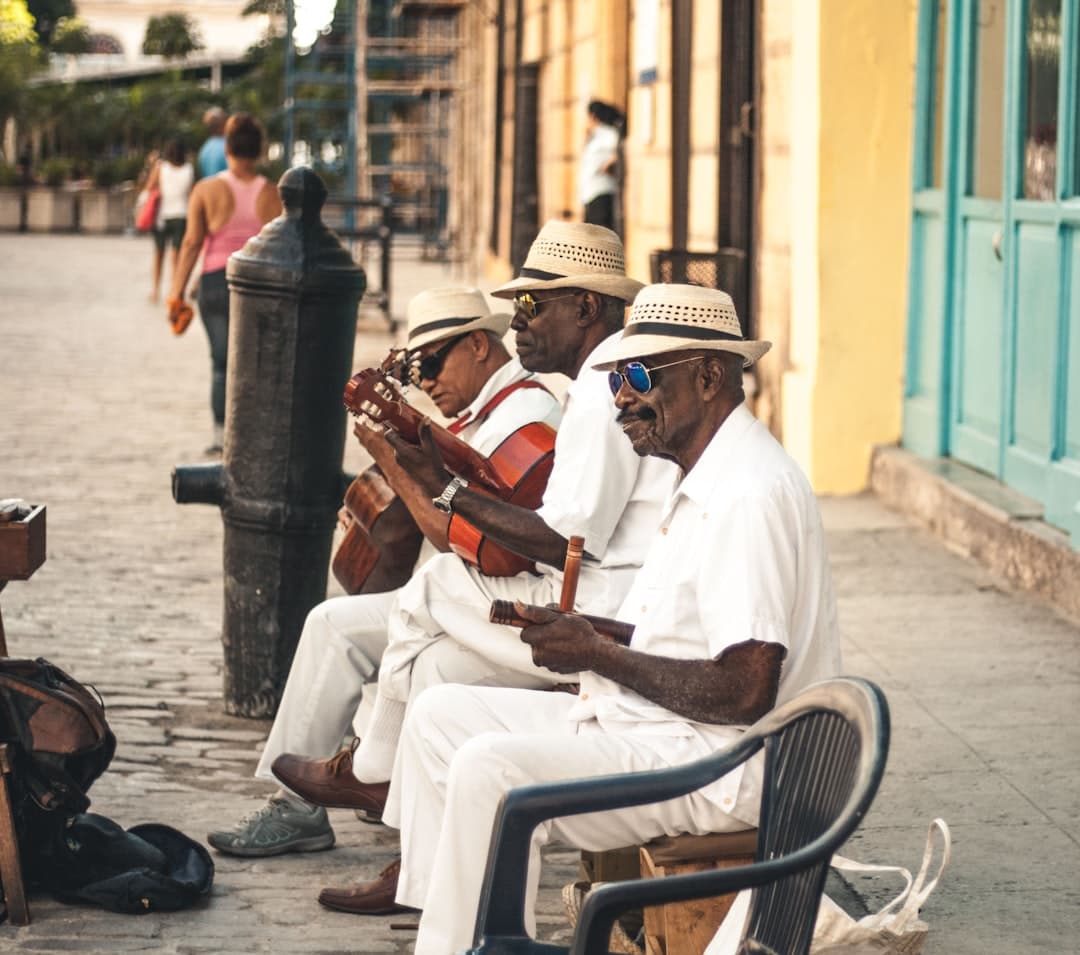
Cuban music occupies a singular place in global culture. Genres including son cubano, rumba, mambo, cha-cha-chá, and bolero originated on the island and spread significantly throughout Latin America and beyond during the twentieth century. The Buena Vista Social Club project, which brought together veteran Cuban musicians in the late 1990s, introduced a new generation of international audiences to the depth of the island's musical archive.
Visual Arts and the Havana Biennial
The Havana Biennial, first held in 1984, has grown into one of the most recognized contemporary art events in the developing world. It was conceived with an explicit focus on artists from Latin America, Africa, and Asia, distinguishing it from European-dominated art fairs. Cuban visual artists have gained international gallery representation, with works held in collections across Europe and the Americas.
Street Culture and Everyday Expression
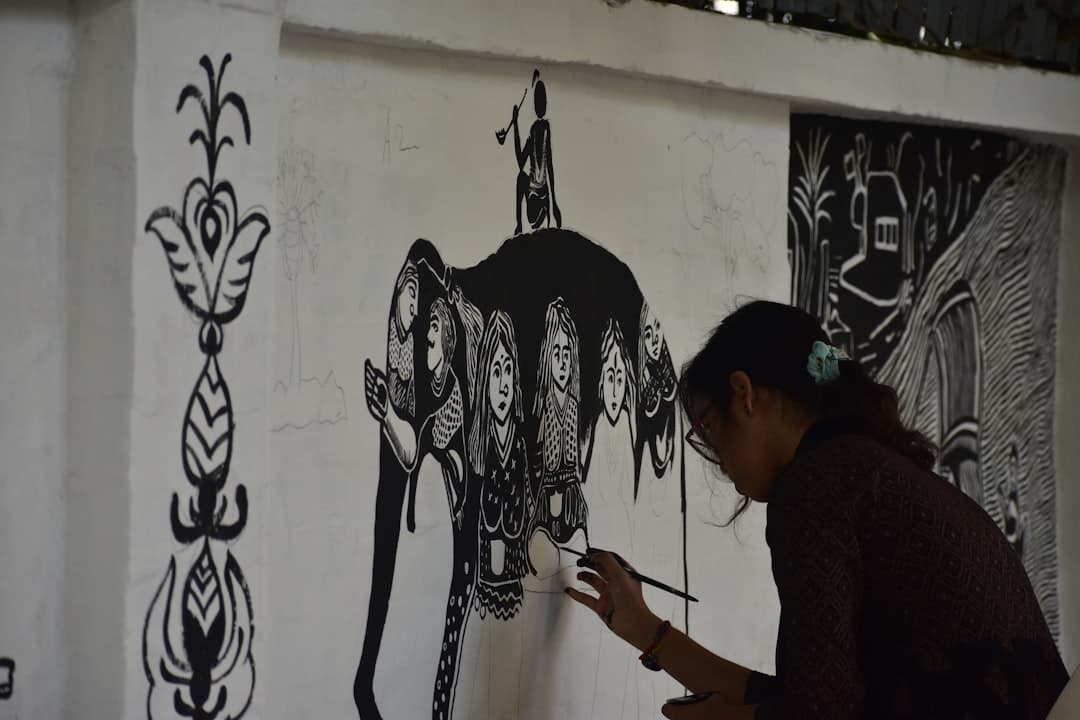
Murals, public sculptures, and spontaneous musical performances remain common features of Cuban urban life. Neighborhoods in Old Havana — a UNESCO World Heritage Site — serve as an open-air exhibition of colonial architecture and street-level artistic expression that continues to draw cultural researchers, documentary filmmakers, and tourists alike.
Open Questions
How will increased internet access affect the independence and direction of Cuban artistic expression? What role do diaspora Cuban artists play in shaping the island's cultural identity from abroad?
Sources: UNESCO World Heritage List, Havana Biennial official records, Smithsonian Institution documentation on Cuban music history, Instituto Superior de Arte public records.
This article is based on a verified primary source. The text was editorially reviewed and fact-checked prior to publication.