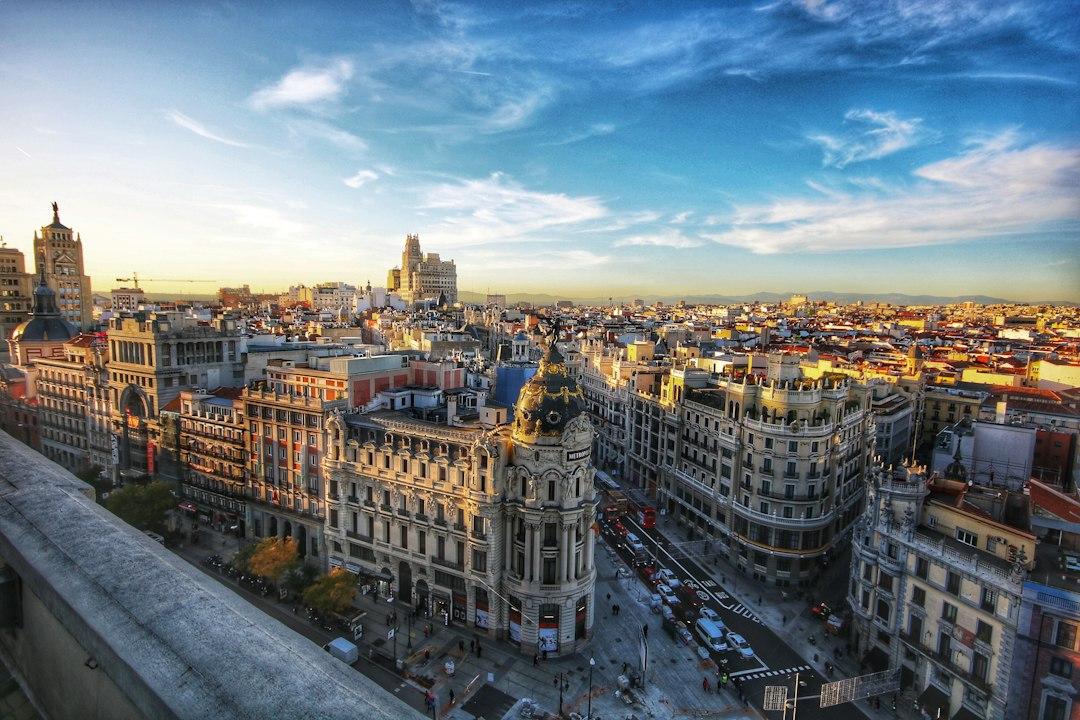
At the XXX Iberoamerican Summit of Heads of State and Government in Madrid on November 5, 2026, Bolivian President Rodrigo Paz proposed the creation of a Centro Iberoamericano de Pensamiento Estratégico y de Seguridad — an Iberoamerican Center for Strategic Thought and Security. Paz put the proposal before the full plenary, framing it as a mechanism to position the region as a co-leader in global technological development and to coordinate responses to transnational crime.
The proposed center is designed to operate under a strictly pragmatic and common-good framework, intended to function above the ideological divisions of member governments. "For us, ideology does not put food on the table — what does is common sense and the common good of our nations," Paz said. He also invoked the founding generation of the Iberoamerican community, arguing that the current generation has an obligation to give it "common causes" to address the geopolitical and geoeconomic challenges of the present era.
As its physical base, Paz proposed repurposing the existing infrastructure built for the UNASUR Parliament, located in the San Benito district of Cochabamba, transforming it into the center's operational headquarters. The center would connect intelligence agencies, police forces, and judicial systems across all 22 member countries to combat drug trafficking, corruption, and narco-terrorism.
Beyond security coordination, the center is intended to serve as an analysis hub for designing shared public policies that cut across the ideological differences of member governments. In the technological domain, it would function as a platform for sharing digital defenses against cybercrime and for developing new production models.
The proposal had been telegraphed a day earlier, on November 4, 2026, when Foreign Minister Héctor Huanca raised the initiative at the meeting of Iberoamerican foreign ministers. "President Rodrigo Paz will present at the Summit the proposal to use the infrastructure built for the UNASUR Parliament, which is located in my country, in the city of Cochabamba, as a response to transnational organized crime," Huanca told the assembled chancellors.
This article is based on a primary source and has undergone editorial review prior to publication.