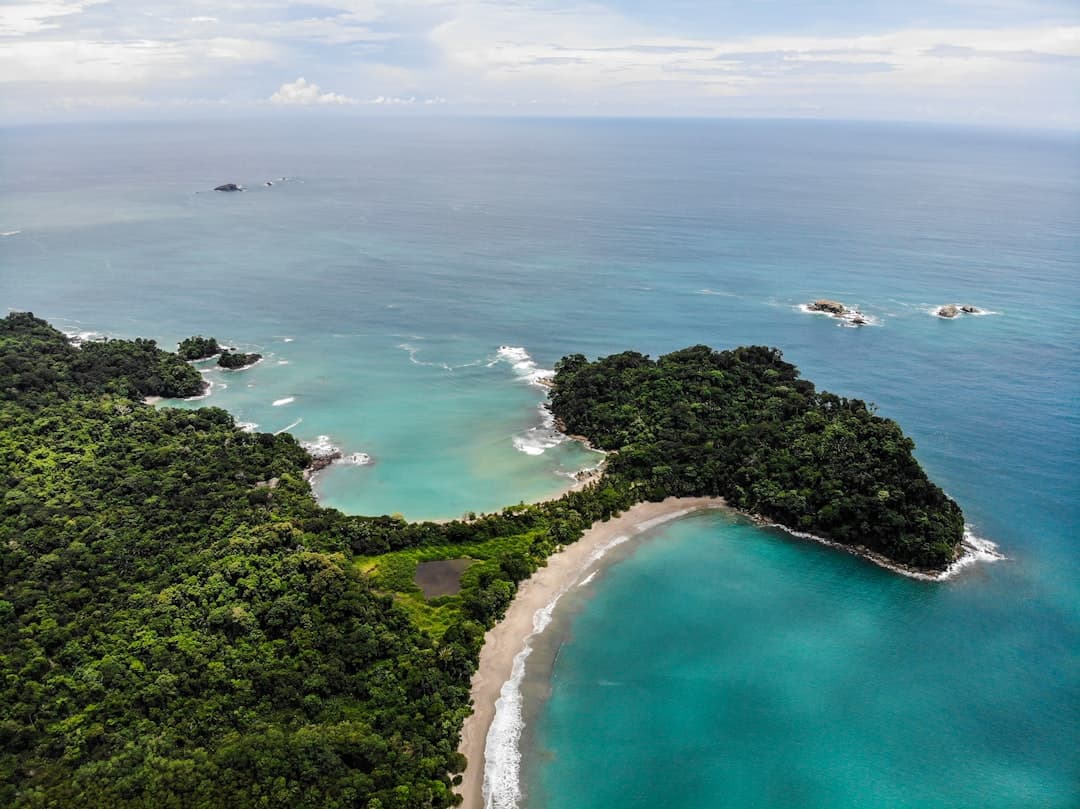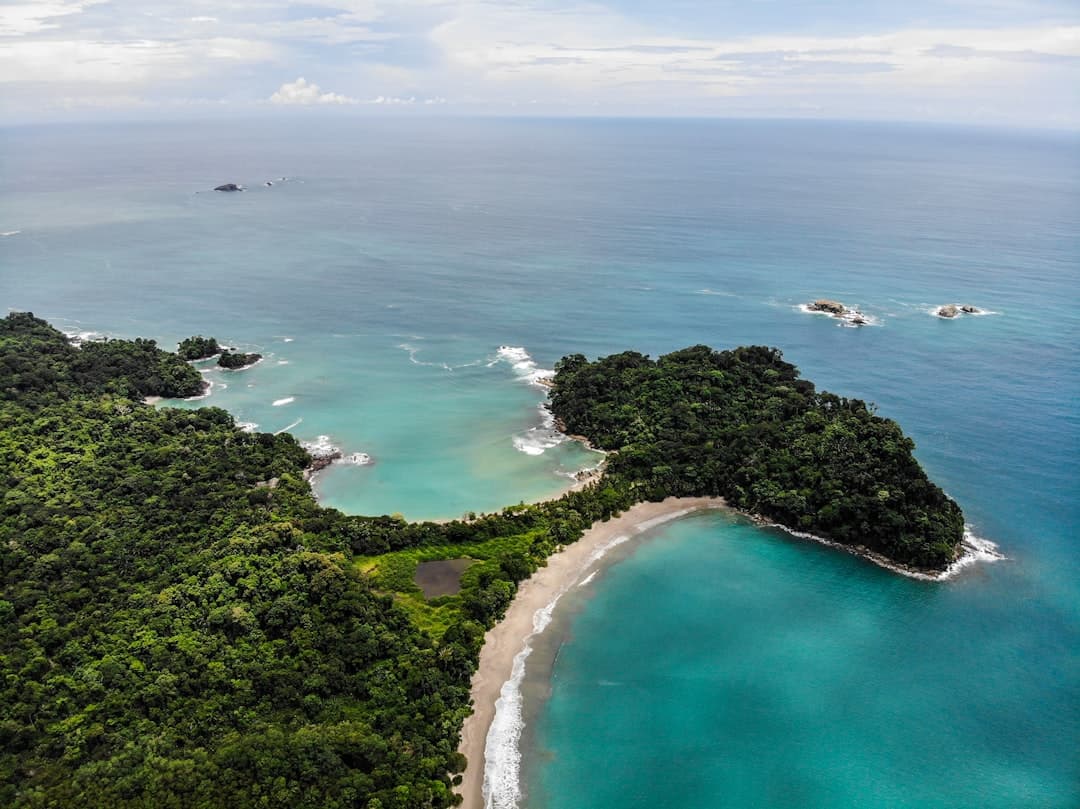
Costa Rica, a Central American nation roughly the size of West Virginia, has positioned itself as one of the premier destinations for ecotourism worldwide. Despite covering less than one percent of the Earth's surface, the country is home to an estimated five percent of the planet's biodiversity, a fact that continues to attract naturalists, researchers, and travelers from across the globe.
Conservation as Economic Strategy
The country's approach to environmental protection dates back several decades. Costa Rica formally abolished its military in 1948 and has since redirected significant public resources toward education and environmental programs. By the 1990s, the government had developed a national system of protected areas that now covers roughly a quarter of the country's territory, encompassing national parks, biological reserves, and wildlife refuges.
This network forms the backbone of the ecotourism sector. Destinations such as the Monteverde Cloud Forest Reserve, Tortuguero National Park, and the Osa Peninsula attract visitors specifically because of their protected status and biodiversity. Turtle nesting sites, active volcanoes, and intact mangrove systems draw repeat travelers and first-time visitors alike.
Certification and Standards
Costa Rica operates a nationally recognized Certification for Sustainable Tourism program, administered by the Costa Rican Tourism Board. The program evaluates hotels, tour operators, and service providers on environmental, social, and economic sustainability criteria. Properties that meet established thresholds receive a leaf-based rating that travelers can use when selecting accommodations and services.
The program is widely cited as a model for other countries developing sustainability frameworks in the tourism sector.
Regional Influence
Costa Rica's model has drawn attention from neighboring countries in Central America and from tourism ministries across South America. Nations including Ecuador and Colombia have studied its protected-area financing structures and voluntary certification systems as potential frameworks for their own ecotourism development strategies.
The country continues to receive recognition from international environmental and travel organizations, reinforcing its reputation as a benchmark for responsible tourism management.
Open Questions
Whether rapid visitor growth will strain conservation infrastructure in high-traffic protected areas remains an ongoing concern among environmental researchers. The balance between expanding tourism revenue and preserving ecosystem integrity presents long-term policy challenges for the government.
Sources: Costa Rican Tourism Board (ICT), Costa Rica National System of Conservation Areas (SINAC), World Bank biodiversity data, Convention on Biological Diversity country profiles.
This article is based on a verified primary source. The text was editorially reviewed and fact-checked prior to publication.