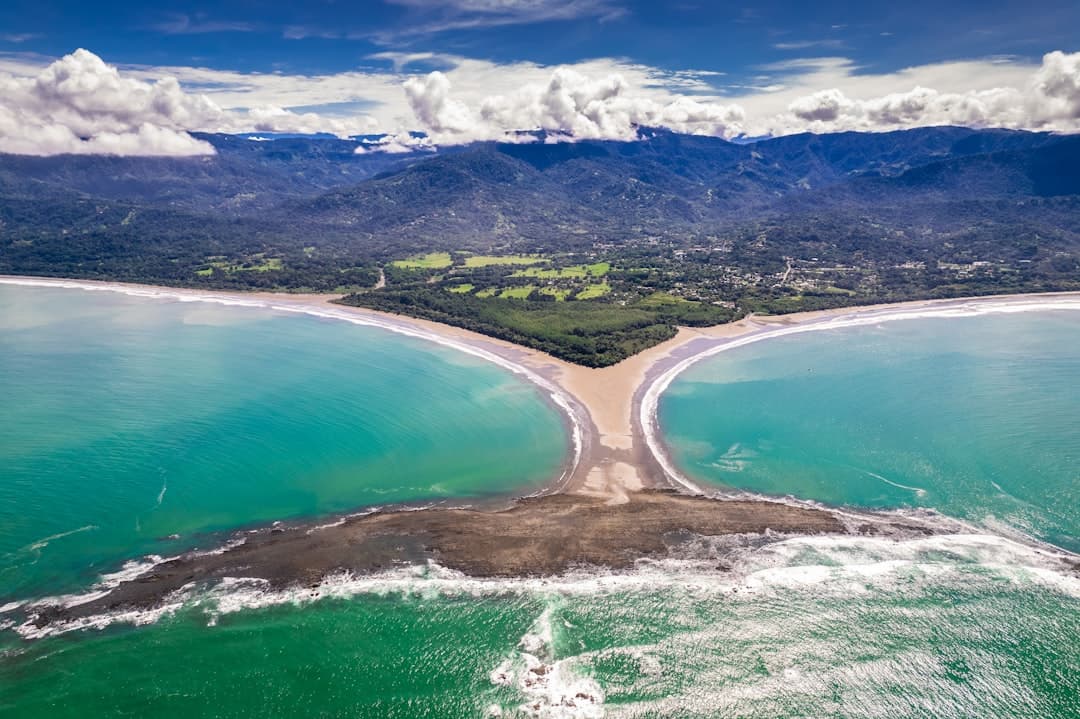
Costa Rica, long recognized for its constitutional abolition of a standing military and its commitment to environmental stewardship, has been actively broadening its diplomatic engagements across Latin America and with key global partners.
A Foundation Built on Neutrality
Since formally renouncing its armed forces in 1948 under the leadership of José Figueres Ferrer, Costa Rica has cultivated a foreign policy identity rooted in peaceful conflict resolution and multilateral cooperation. This positioning has historically granted the country outsized diplomatic influence relative to its size, most notably when San José hosted pivotal peace negotiations during the Central American conflicts of the 1980s.
Regional Integration Efforts
Costa Rica participates actively in the Central American Integration System (SICA), a regional bloc that coordinates political, economic, and social development among member states. The country has also maintained strong ties with the Community of Latin American and Caribbean States (CELAC), engaging in forums that address shared challenges including climate change, migration, and trade facilitation.
Relations with South American nations have been cultivated through bilateral trade agreements and cooperation frameworks, particularly with countries in the Pacific Alliance — a trade bloc that includes Chile, Colombia, Mexico, and Peru, to which Costa Rica has held observer and associate status.
Environmental Diplomacy as a Strategic Asset
Costa Rica's internationally recognized record on reforestation and renewable energy generation has positioned it as a credible voice in global environmental negotiations. The country frequently collaborates with South American nations on biodiversity protection initiatives, particularly those connected to the conservation of tropical ecosystems.
Costa Rica has also maintained observer engagement with various United Nations bodies based in Geneva and New York, reinforcing its reputation as a constructive multilateral partner.
Open Questions
Whether Costa Rica's diplomatic outreach will translate into deeper economic integration agreements with South American partners remains to be seen. Analysts continue to observe how the country balances relationships with regional powers that hold competing geopolitical interests.
This article is based on a verified primary source. The text was editorially reviewed and fact-checked prior to publication.


