Costa Rica, a Central American nation bordered by Nicaragua to the north and Panama to the south, has established itself as one of the Western Hemisphere's most recognized ecotourism destinations. Its protected areas cover a substantial portion of national territory, maintained through a network of national parks and biological reserves administered by the Sistema Nacional de Áreas de Conservación (SINAC).
Cloud Forests and Highland Reserves
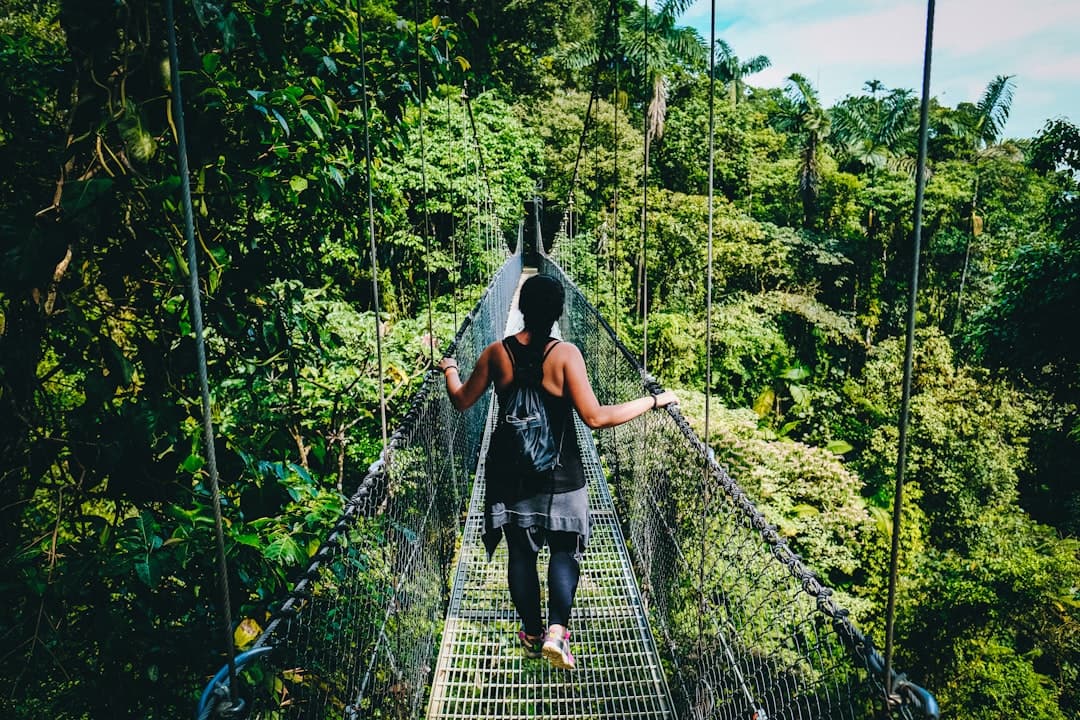
The Monteverde Cloud Forest Reserve, located in the Tilarán mountain range, draws visitors seeking rare flora and fauna, including the resplendent quetzal. The area supports canopy walkways and guided nature trails managed by private and community-run organizations. Nearby Santa Elena offers additional forest access with slightly lower visitor density.
Volcanic Landscapes
Arenal Volcano National Park, in the northern lowlands, remains one of the country's most visited protected areas. The volcano, considered active, anchors an tourism infrastructure that includes hot springs fed by geothermal activity, lake-based water sports on Lago Arenal, and hiking trails maintained by the park system.
Pacific and Caribbean Coastlines
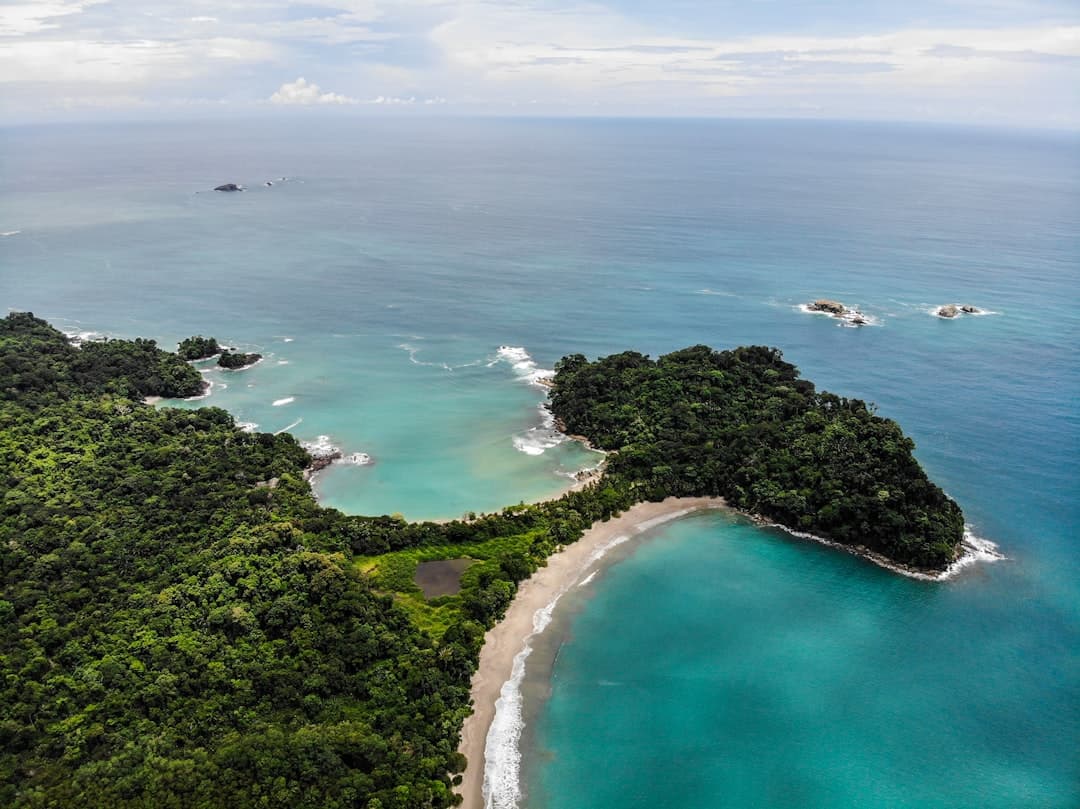
The Nicoya Peninsula, on the Pacific coast, encompasses beaches within the Guanacaste Conservation Area, a UNESCO World Heritage Site. The region's dry tropical forest and nesting sea turtle populations contribute to its protected status. On the Caribbean side, Tortuguero National Park is accessible only by boat or small aircraft and is recognized internationally as a sea turtle nesting corridor.
Urban and Cultural Access Points
San José, the capital, functions as the primary entry point for international travelers. The city's Barrio Amón neighborhood contains early twentieth-century architectural heritage, while the Museo del Jade and the Museo del Oro Precolombino document pre-Columbian history through permanent collections.
Open Questions
Visitor carrying capacity limits remain a subject of ongoing policy discussion within SINAC, particularly for high-traffic reserves. The balance between conservation funding derived from entrance fees and ecological preservation continues to be evaluated by environmental authorities.
Sources: SINAC (Sistema Nacional de Áreas de Conservación), UNESCO World Heritage List, Instituto Costarricense de Turismo (ICT), Museo del Jade official records.
This article is based on a verified primary source. The text was editorially reviewed and fact-checked prior to publication.