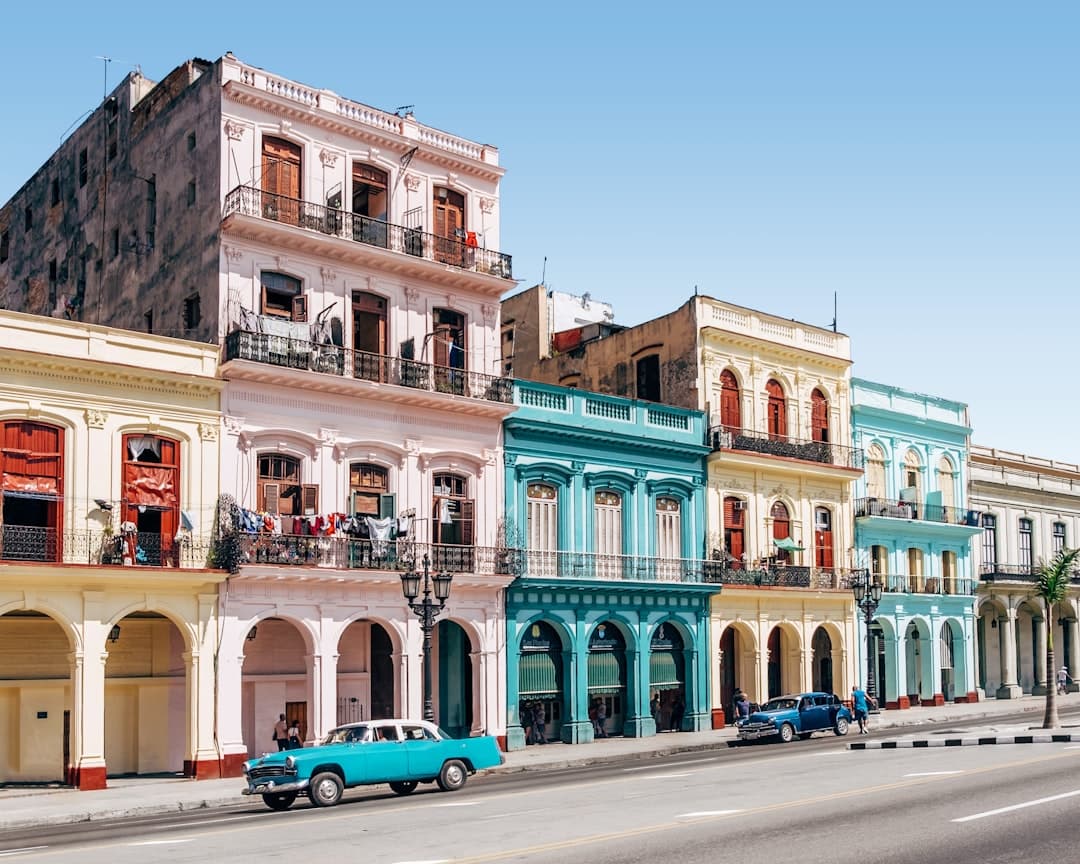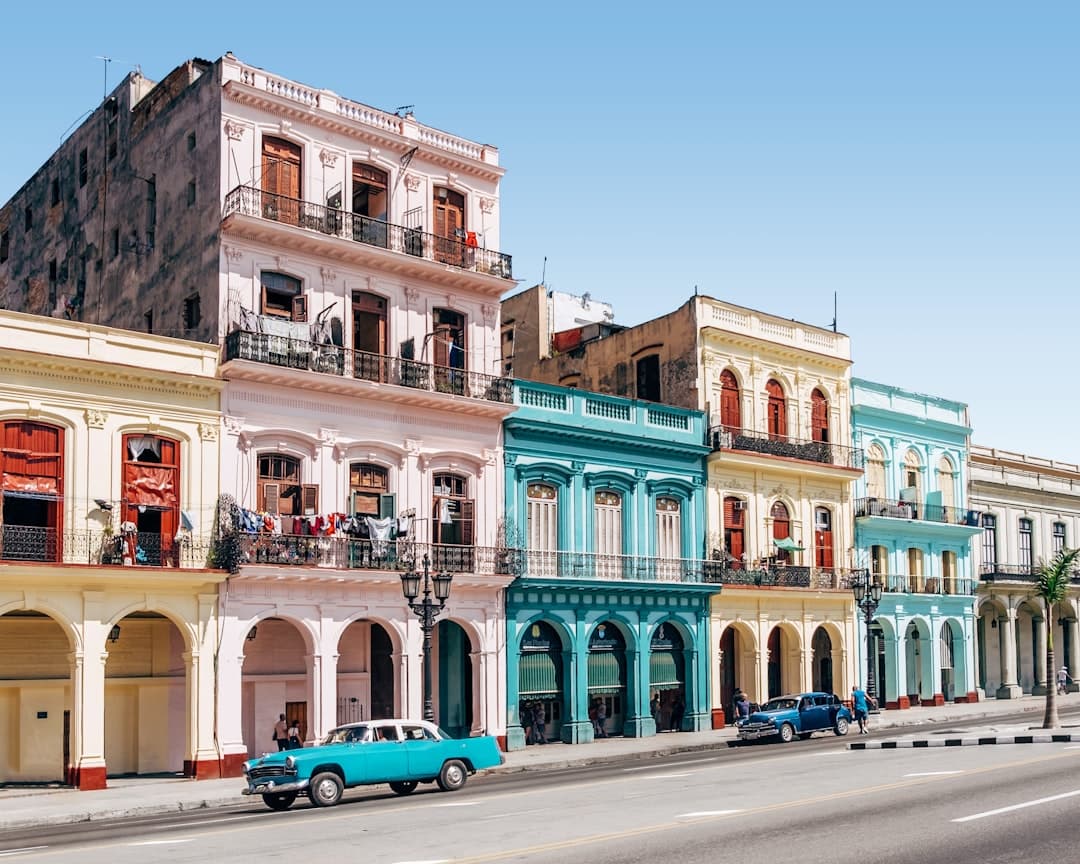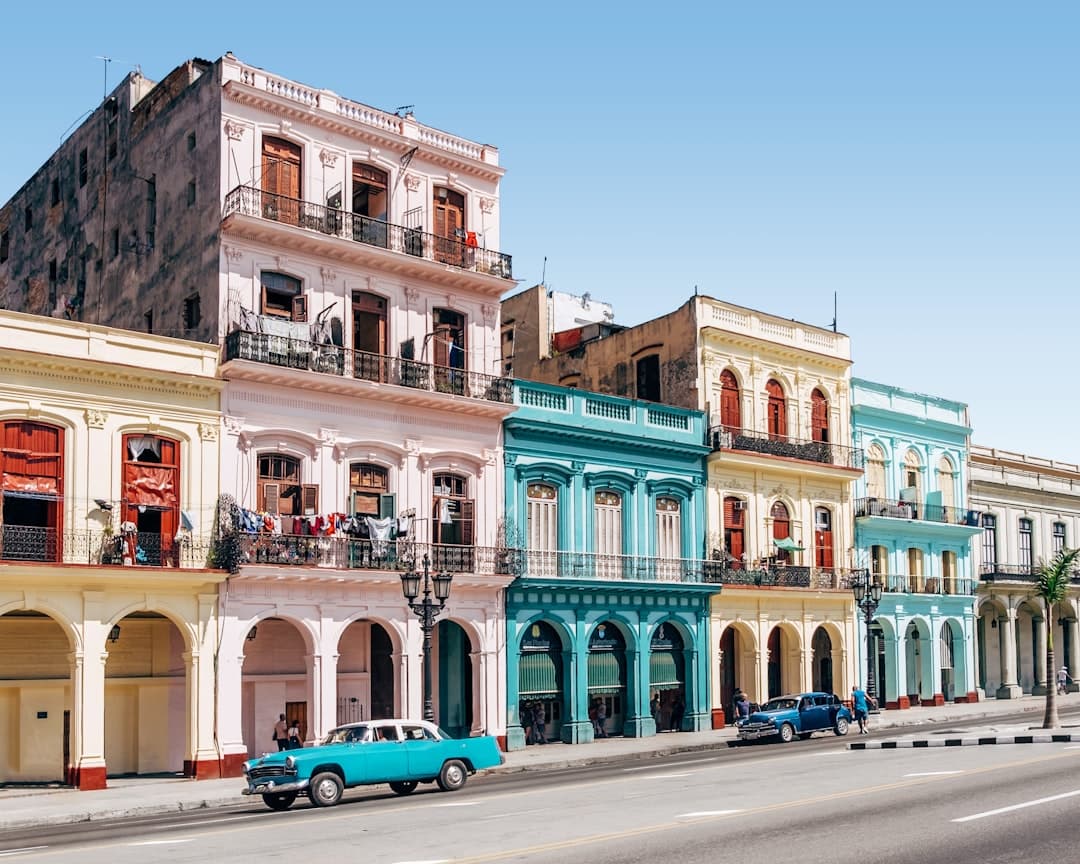
Cuba's Spanish colonial past left behind a remarkably preserved built environment, with multiple cities earning recognition on the UNESCO World Heritage List for their architectural and historical significance. These urban centers function simultaneously as living communities and open-air museums, where centuries-old structures continue to serve everyday civic and residential purposes.
Havana: The Capital's Old Quarter
Old Havana, known locally as La Habana Vieja, was designated a UNESCO World Heritage Site in 1982 alongside its system of early fortifications. The district contains a dense concentration of baroque and neoclassical buildings constructed primarily between the 16th and 19th centuries. Key landmarks include the Plaza de Armas, the Cathedral of Havana, and the Castillo de la Real Fuerza, one of the oldest surviving Spanish colonial fortresses in the Americas.
Trinidad: A Frozen Moment in Sugar-Era Prosperity
Located in the central Sancti Spíritus province, Trinidad was founded in 1514 and became one of Cuba's wealthiest towns during the height of the sugar trade in the 18th and 19th centuries. The city's historic center, along with the nearby Valle de los Ingenios, achieved UNESCO status in 1988. The urban grid retains original cobblestone streets, and the surrounding valley contains the remnants of numerous former sugar mills.
Camagüey: An Irregular Urban Labyrinth
Camagüey, Cuba's third-largest city, is distinguished by its irregular street plan — an intentional or organic design that diverges sharply from the standard colonial grid. The historic center was inscribed on the UNESCO World Heritage List in 2008. The city is also known for its distinctive large ceramic water jars, called tinajones, which became a regional symbol during the colonial period.
Cienfuegos: The French Influence on Cuban Urbanism
Unlike most Cuban colonial cities founded under Spanish administration, Cienfuegos was established in the early 19th century by French settlers from Louisiana and Bordeaux. This origin is reflected in the city's neoclassical architecture and formal urban layout. The historic center received UNESCO recognition in 2005, cited for its unique blend of French urban planning principles within a Caribbean context.
Open Questions
Ongoing questions remain around the long-term preservation of these sites given resource constraints, the impact of increased tourism on structural integrity, and how Cuba balances urban development with heritage conservation obligations under international frameworks.
Sources: UNESCO World Heritage List (whc.unesco.org), Cuba's National Office of Statistics and Information (ONEI), Encyclopædia Britannica
This article is based on a verified primary source. The text was editorially reviewed and fact-checked prior to publication.