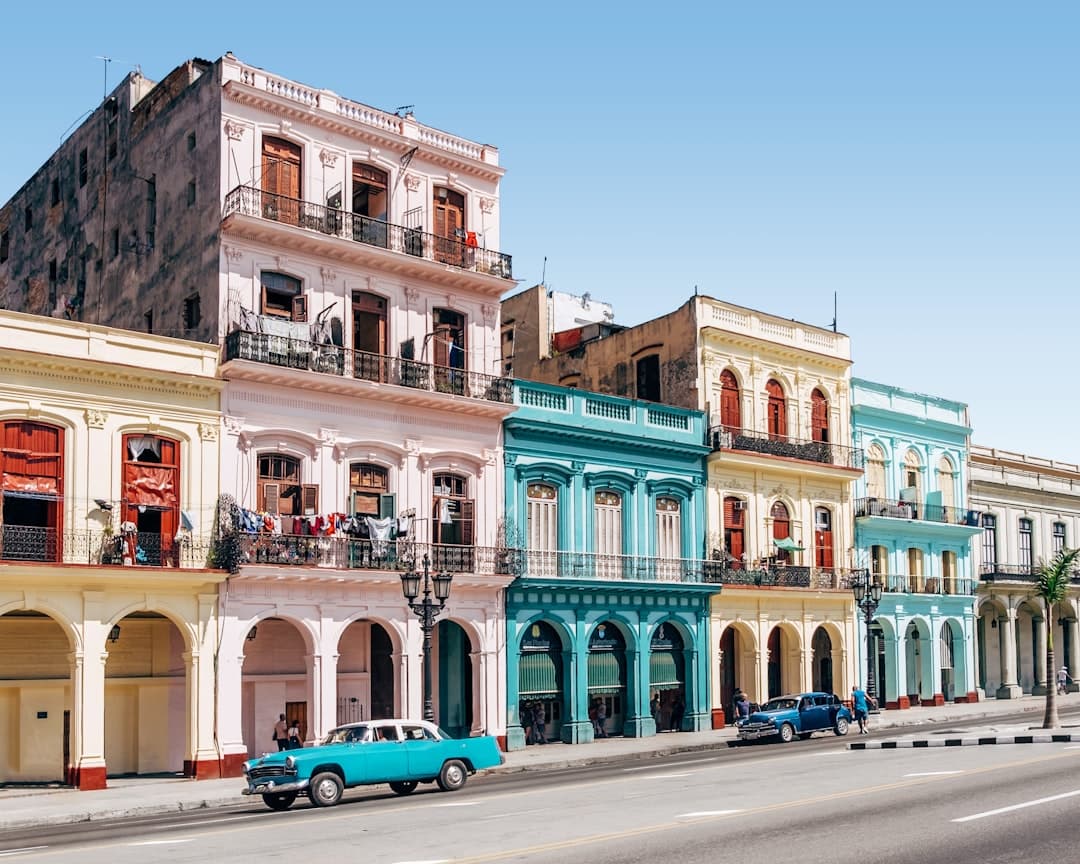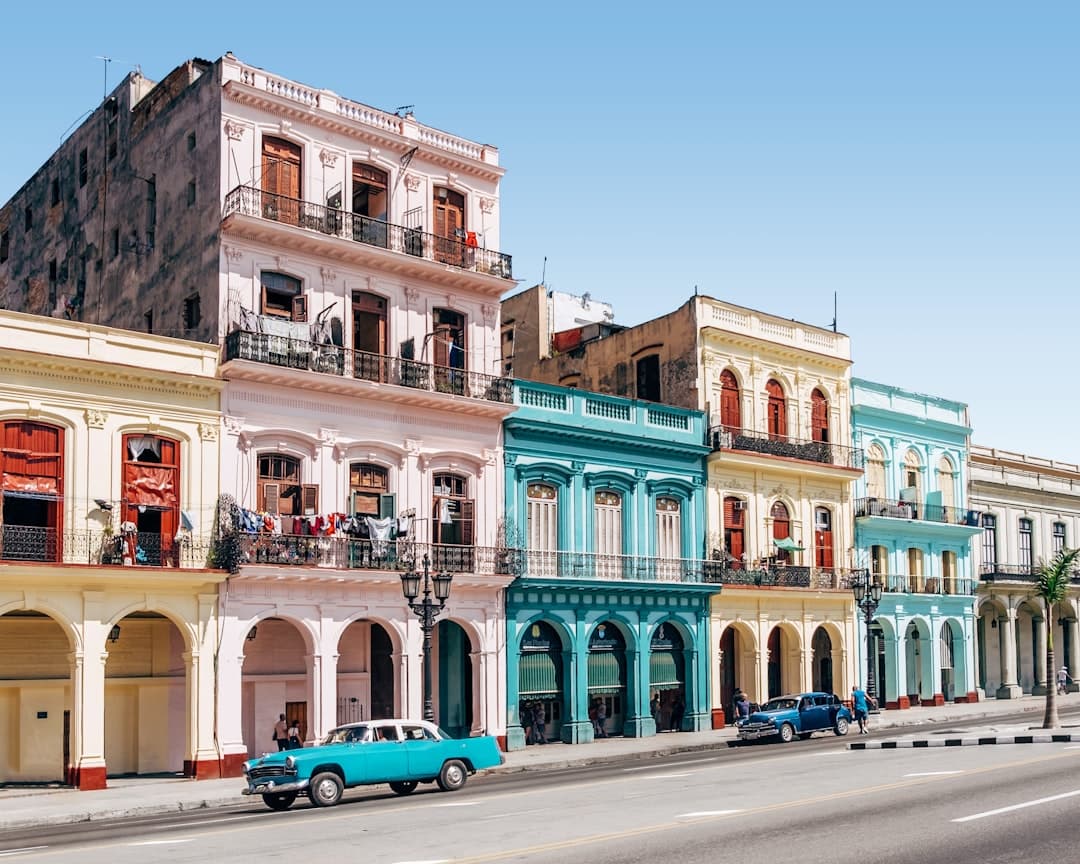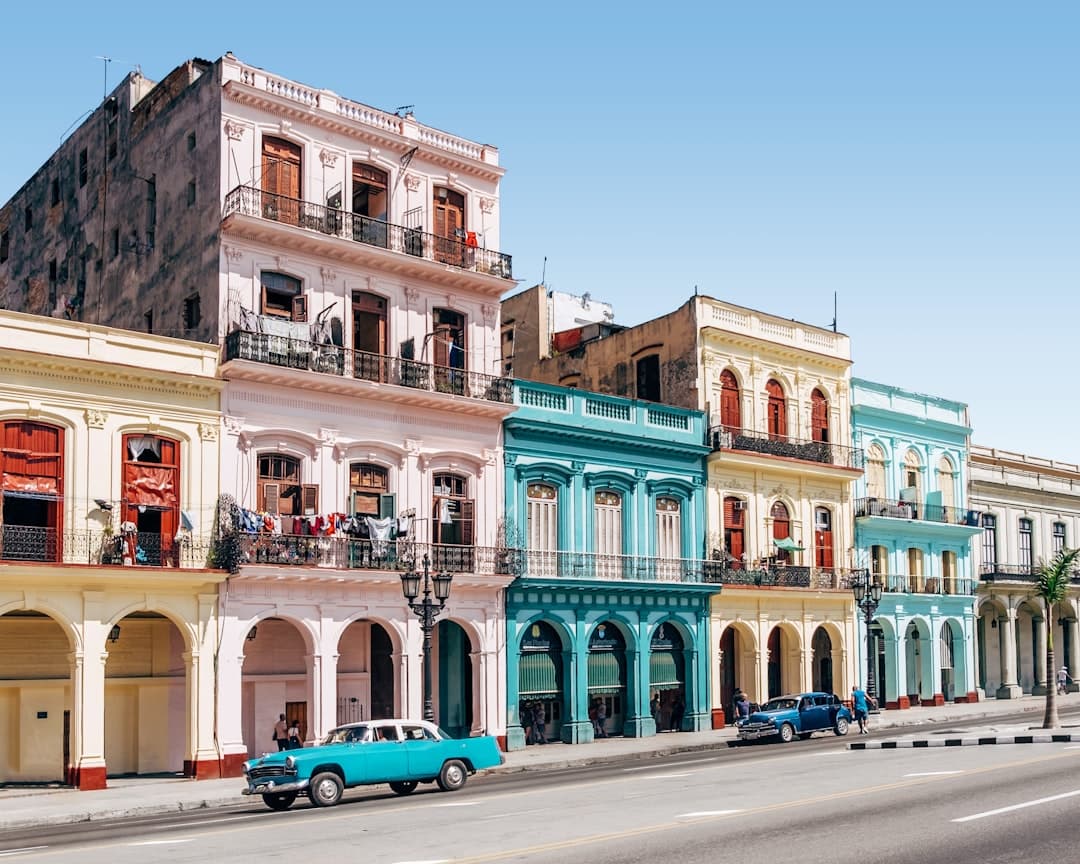
Cuba occupies a singular place in Caribbean tourism. Unlike many neighboring islands that have undergone rapid commercial development, Cuba's built environment has remained largely intact since the mid-twentieth century, a circumstance that draws architecture enthusiasts, historians, and general travelers alike.
A Living Archive of Colonial Heritage
Havana's Old City, known as La Habana Vieja, holds UNESCO World Heritage Site status, a designation that reflects the concentration of Spanish colonial buildings, plazas, and fortifications preserved within its boundaries. The cities of Trinidad and Cienfuegos carry similar UNESCO recognition, giving Cuba one of the highest densities of heritage-listed urban areas in the Caribbean.
Natural Diversity Beyond the Capital
Beyond its cities, Cuba offers a range of natural environments. The Viñales Valley in Pinar del Río province features a karst landscape recognized by UNESCO for both its scenery and traditional tobacco farming practices. The Jardines del Rey archipelago and the beaches of Varadero remain among the most visited coastal zones in the region, attracting package tourism primarily from Canada and Europe.
Cultural Infrastructure and the Arts
Cuba maintains a well-documented tradition in music, dance, visual arts, and cinema. Institutions such as the Casa de las Américas and the Cuban Institute of Cinematographic Art and Industry have contributed to an arts infrastructure that continues to generate international interest. Festivals centered on jazz, ballet, and film draw specialized audiences from multiple continents.
Accessibility and Travel Logistics
Direct air connections operate between Cuba and major hubs in Canada, Mexico, Spain, and several other European and Latin American countries. Travel restrictions for United States citizens have fluctuated over decades under different administrations, a factor that periodically influences visitor volume from North America without eliminating it entirely.
The combination of preserved urban heritage, ecological variety, and a distinct cultural output continues to differentiate Cuba within a competitive Caribbean travel market.
Open Questions
How will ongoing infrastructure investment — or the lack of it — affect Cuba's ability to sustain heritage sites long-term? Will shifts in U.S. travel policy produce measurable changes in overall visitor demographics?
Sources: UNESCO World Heritage List (whc.unesco.org), Cuban Institute of Cinematographic Art and Industry (icaic.cu), general Caribbean Tourism Organization regional data (caribbeantravel.com)
This article is based on a verified primary source. The text was editorially reviewed and fact-checked prior to publication.