The Dominican Republic has long been recognized for its tourism industry, but its culinary heritage is increasingly becoming a point of national pride and international interest. The country's gastronomy draws from three foundational cultural streams: the indigenous Taíno people, West African communities brought during the colonial period, and Spanish settlers — a combination that produced a cuisine unlike any other in the Caribbean basin.
The Foundations of Dominican Cooking
At the center of Dominican daily eating is la bandera dominicana — literally "the Dominican flag" — a plate composed of white rice, stewed red beans, and braised meat, typically accompanied by fried plantains. This meal is considered a national symbol as much as a dietary staple. Plantains alone appear in multiple preparations across the culinary spectrum, from mangú, a mashed breakfast dish, to tostones, twice-fried slices served as a side or snack.
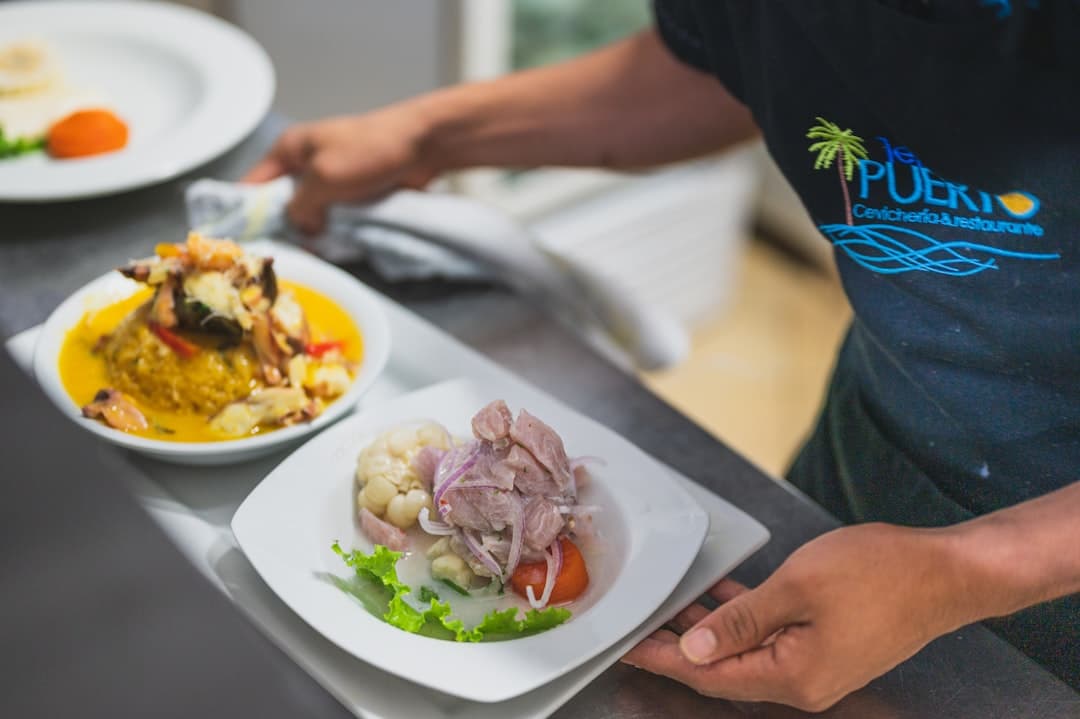
Seafood plays a central role along the country's extensive coastline. Fresh fish preparations, conch stew, and shrimp dishes are common in coastal provinces such as Samaná and La Romana, where proximity to the sea shapes local menus. Inland regions rely more heavily on root vegetables — yuca, ñame, and batata — that trace their origins directly to pre-Columbian agricultural practices.
Sancocho and the Culture of Communal Eating
Perhaps no dish captures Dominican food culture more completely than sancocho, a hearty stew combining multiple meats, root vegetables, and herbs. Prepared for celebrations, family gatherings, and community events, the dish carries social weight beyond its ingredients. Regional variations exist across the country's provinces, with each area incorporating locally available produce and spice profiles.
Growing Recognition Beyond Borders
Dominican restaurants have expanded significantly across North America, Europe, and Latin America, introducing wider audiences to these traditions. Culinary festivals and cultural exchange programs have further elevated the profile of Dominican food on the international stage, positioning the country's gastronomy as a legitimate area of academic and commercial interest.
Open Questions
How will increased international exposure affect the preservation of regional and rural culinary traditions within the Dominican Republic itself? Will younger generations maintain ties to traditional preparations as global food trends continue to evolve?
This article is based on a verified primary source. The text was editorially reviewed and fact-checked prior to publication.