The Dominican Republic, occupying the eastern two-thirds of the island of Hispaniola in the Caribbean, attracts visitors year-round through a combination of Atlantic and Caribbean coastlines, a UNESCO-recognized colonial city center, and interior mountain terrain that reaches the highest elevations in the entire Caribbean.
Santo Domingo: The Colonial Zone
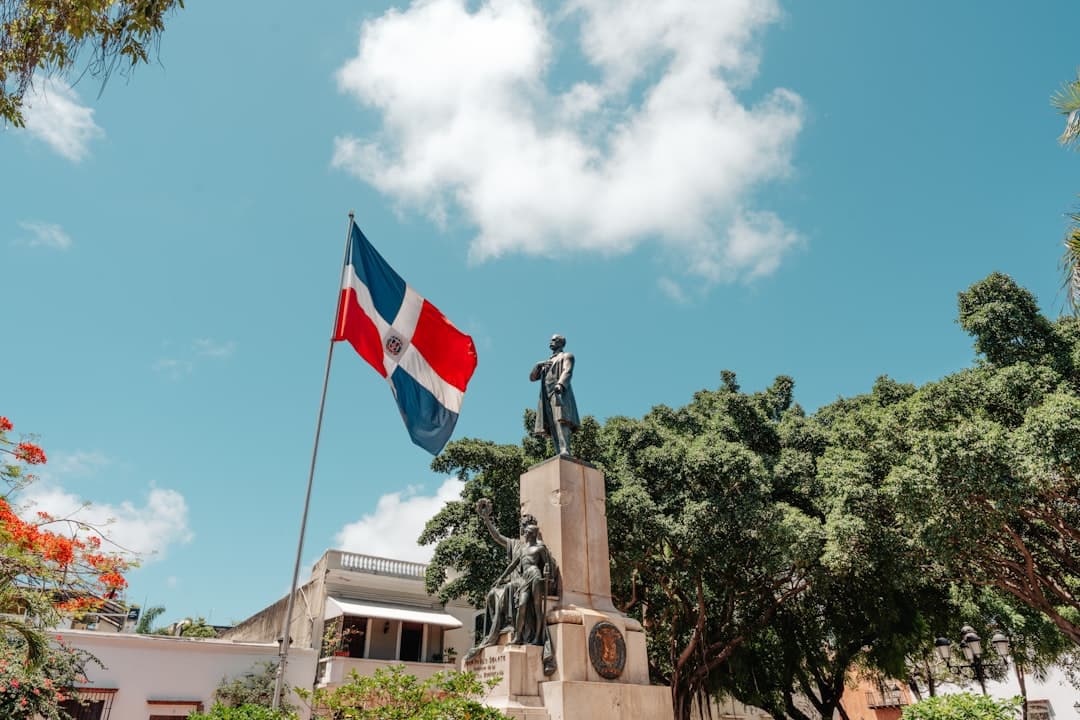
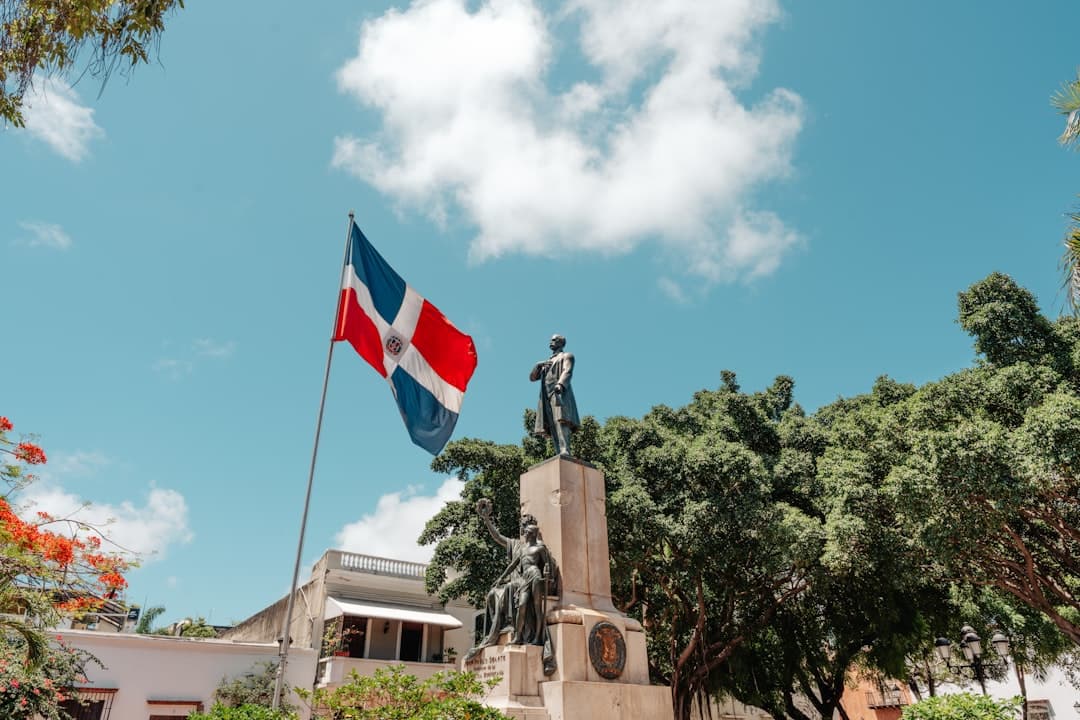
Santo Domingo's Zona Colonial is recognized by UNESCO as a World Heritage Site and contains the oldest continuously inhabited European settlement in the Americas. The area includes the Catedral Primada de América, the first cathedral built in the Western Hemisphere, along with the Alcázar de Colón and Calle Las Damas, widely cited as the first paved street in the New World. The district functions as a living historical center with active commerce, restaurants, and museums operating alongside the colonial-era architecture.
Punta Cana and the Eastern Coast
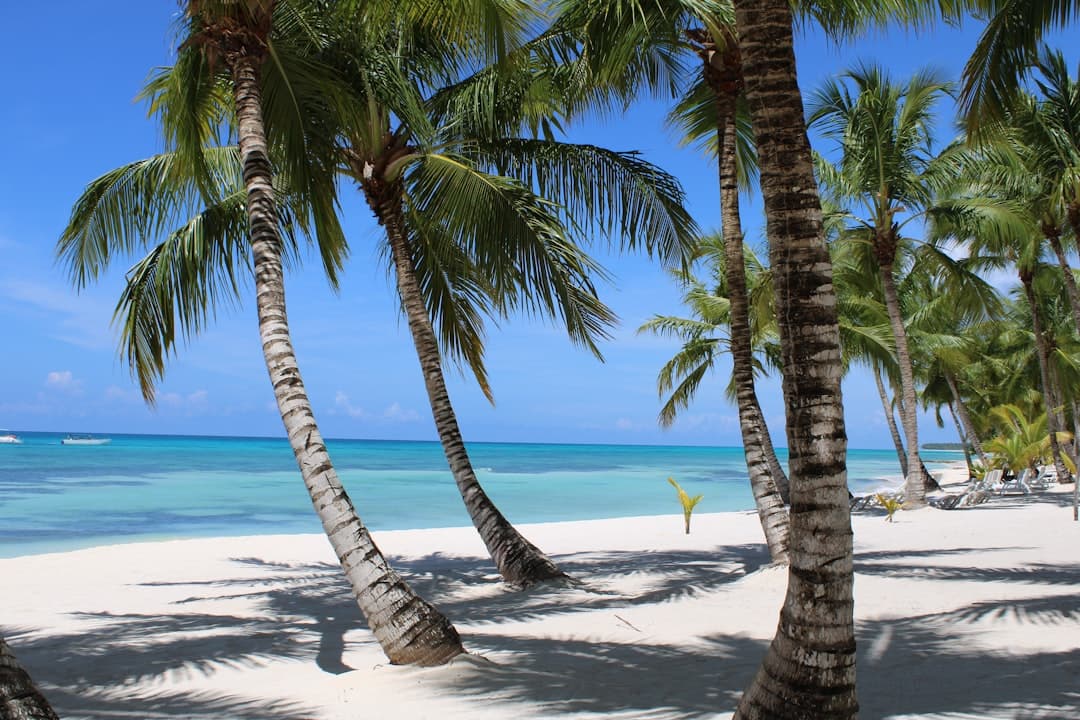
The eastern tip of the island hosts a concentration of large-scale resort developments along beaches including Bávaro and Macao. Punta Cana International Airport ranks among the busiest in the Caribbean region, serving direct routes from North America, Europe, and South America. The coastline features calm waters on the Caribbean side and stronger surf conditions along Atlantic-facing stretches.
Las Terrenas and the Samaná Peninsula
The Samaná Peninsula, in the northeast, is recognized for its relative seclusion compared to the eastern resort zone. Las Terrenas draws a significant expatriate and European visitor population. The peninsula also serves as a seasonal viewing point for humpback whales, which migrate to Samaná Bay between January and March each year.
Jarabacoa and the Central Highlands
The Cordillera Central mountain range hosts destinations including Jarabacoa, a highland town associated with whitewater rafting on the Yaque del Norte river and access to Pico Duarte, the tallest peak in the Caribbean at over 3,000 meters above sea level. The region attracts hiking, cycling, and adventure tourism visitors seeking cooler temperatures distinct from the coastal climate.
Open Questions
Infrastructure development between lesser-visited regions and major tourism hubs remains uneven. Ongoing discussions around environmental management in coastal resort zones and preservation standards within the Zona Colonial continue among local authorities and international heritage organizations.
Sources: UNESCO World Heritage Centre, Dominican Republic Ministry of Tourism, Caribbean Tourism Organization, IATA airport traffic records
This article is based on a verified primary source. The text was editorially reviewed and fact-checked prior to publication.