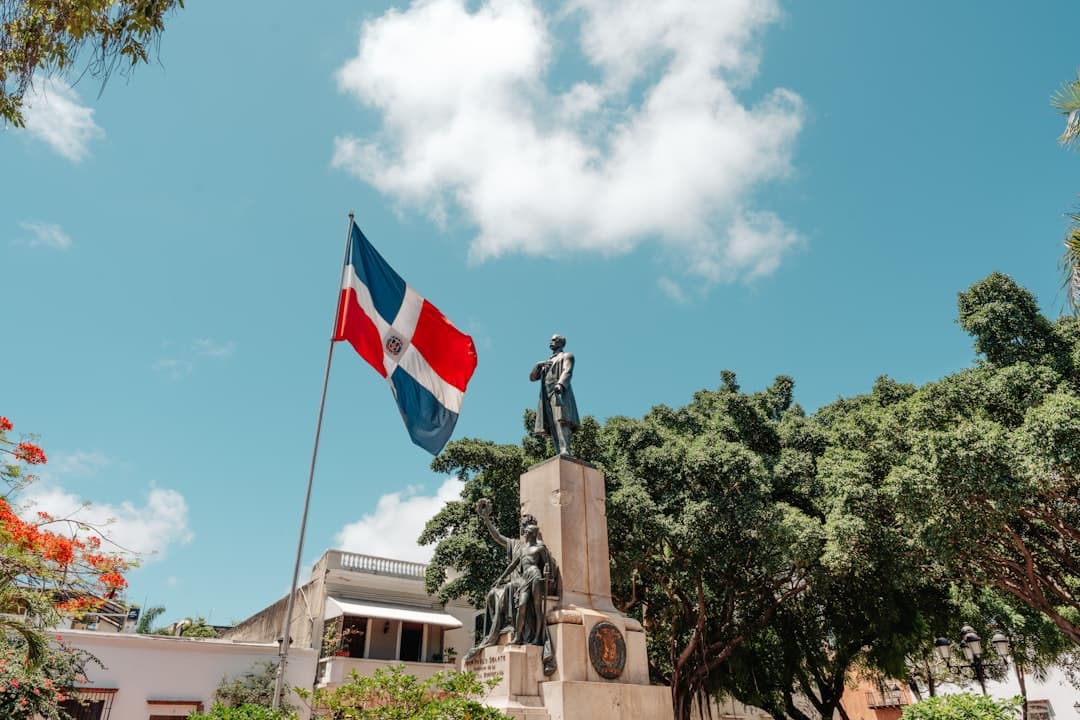
The Dominican Republic has been consolidating its position as one of the most active investment destinations in the Caribbean basin, with commercial expansion visible across multiple sectors including tourism, manufacturing, logistics, and financial services.
Free Trade Zones as Engines of Growth
The country's free trade zone system, one of the oldest and most developed in Latin America, has long served as a primary vehicle for attracting foreign manufacturers seeking access to U.S. markets under preferential trade agreements. The Dominican Republic–Central America Free Trade Agreement (CAFTA-DR) remains a key structural advantage, enabling companies to export goods to the United States under reduced tariff conditions.
Infrastructure and Logistics Investment
Port expansion projects and improvements to road networks have reinforced the country's logistics capabilities. The Port of Caucedo, operated as a private concession, has grown into a regional transshipment point, handling cargo flows that extend well beyond Dominican territory. These developments have made the country increasingly attractive to distribution-oriented businesses.
Tourism and Real Estate Sectors Expand
The tourism sector, historically anchored in the Punta Cana corridor, has seen new investment move toward the northern coast and urban areas such as Santo Domingo. Accompanying this geographic diversification is a parallel expansion in real estate development, with both domestic and international capital flowing into hotel, residential, and mixed-use projects.
Regulatory Environment and Challenges
Government initiatives aimed at streamlining business registration and reducing bureaucratic friction have been cited by international organizations as contributing factors to improved business conditions. At the same time, challenges related to energy costs, informal market competition, and infrastructure gaps in certain regions remain considerations for prospective investors.
The broader trend reflects a pattern seen across several Caribbean and Central American economies, where proximity to North American markets, combined with competitive labor costs, drives sustained interest from multinational corporations seeking to diversify their regional supply chains.
Open Questions
How will ongoing infrastructure investment be financed amid regional fiscal pressures? Will regulatory improvements translate into measurable gains in smaller municipalities outside the capital?
Sources: World Bank Doing Business Reports, CAFTA-DR official documentation, ProDominicana (Dominican Republic export and investment promotion agency), Caribbean Development Bank publications, Port of Caucedo public records.
This article is based on a verified primary source. The text was editorially reviewed and fact-checked prior to publication.


