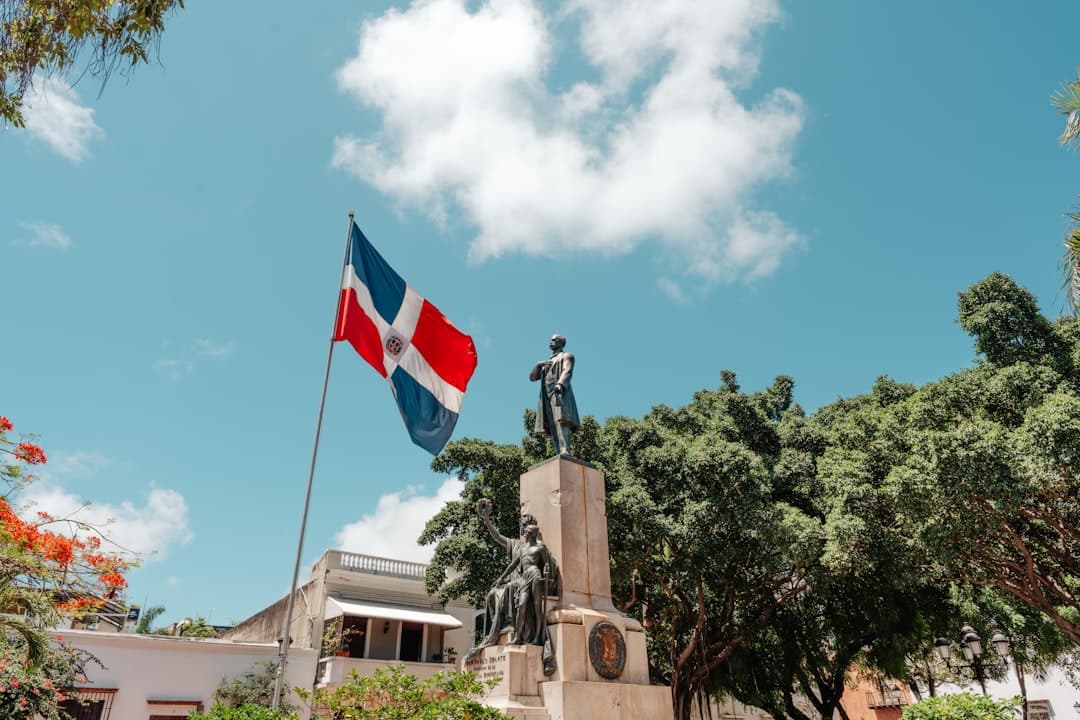
The Dominican Republic, occupying the eastern two-thirds of the island of Hispaniola, carries one of the most layered cultural histories in the Caribbean. Its traditions reflect centuries of Taíno indigenous presence, the forced migration of enslaved Africans, and Spanish colonial influence — a convergence that continues to shape the country's music, dance, cuisine, and public celebrations.
Carnival and Public Festivities
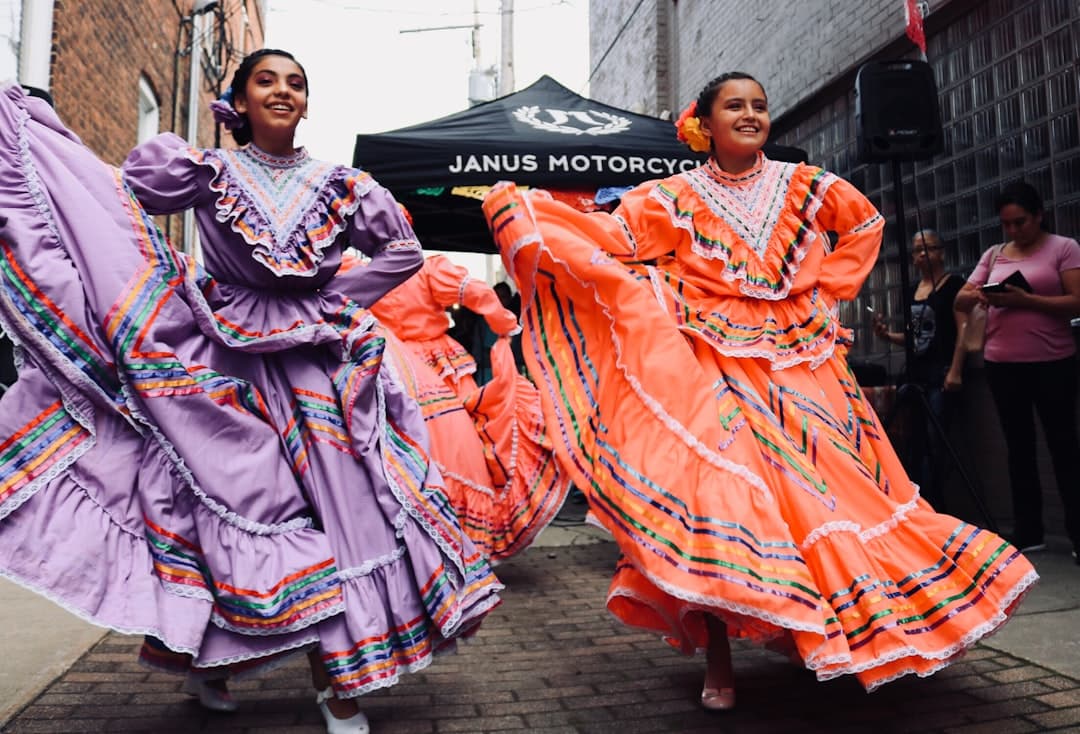
Among the most prominent annual events, Dominican Carnival draws participants from across the country each February. Regional variations exist between cities such as La Vega, Santo Domingo, and Santiago, each with distinct costumes and masks crafted by local artisans. The celebrations blend Catholic traditions with African rhythmic influences, producing a distinctly Dominican expression rarely replicated elsewhere in the region.
Music as Cultural Pillar
Merengue, officially recognized by UNESCO as an Intangible Cultural Heritage of Humanity, stands as the country's most internationally recognized musical form. The genre emerged in the Cibao Valley during the nineteenth century and has since spread throughout Latin America, the United States, and Europe. Bachata, once associated with rural and working-class communities, has experienced a significant global resurgence and now shares UNESCO recognition alongside merengue.
Gastronomy and Everyday Heritage
Dominican cuisine reflects the same multicultural roots. Staple dishes such as la bandera — rice, red beans, and meat — appear across social classes and geographic regions, functioning as an edible marker of shared identity. Cassava bread, inherited from Taíno agricultural practices, remains in production and holds ceremonial significance in certain communities.
Preservation Efforts
The Ministry of Culture of the Dominican Republic oversees programs aimed at documenting and transmitting oral traditions, craft techniques, and regional dialects. Museums in Santo Domingo, including institutions within the Colonial City — itself a UNESCO World Heritage Site — house artifacts spanning pre-Columbian, colonial, and modern periods.
Open Questions
How effectively are younger generations engaging with traditional cultural forms amid rapid urbanization and digital media consumption? What role do diaspora communities in the United States and Europe play in preserving or transforming Dominican cultural identity abroad?
This article is based on a verified primary source. The text was editorially reviewed and fact-checked prior to publication.