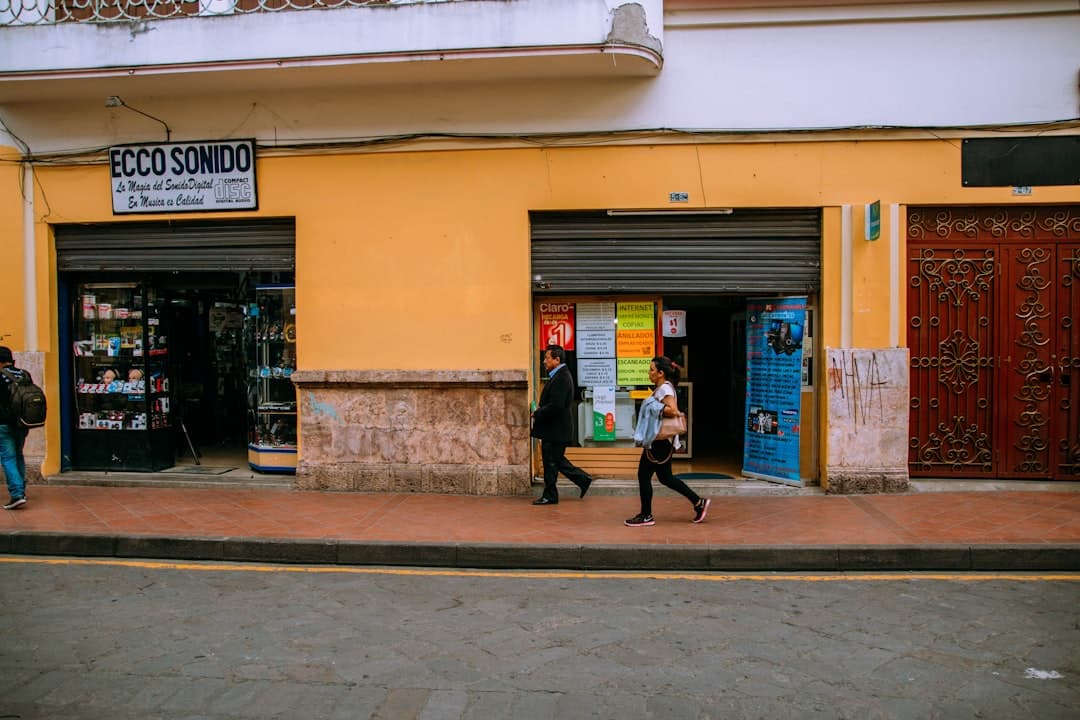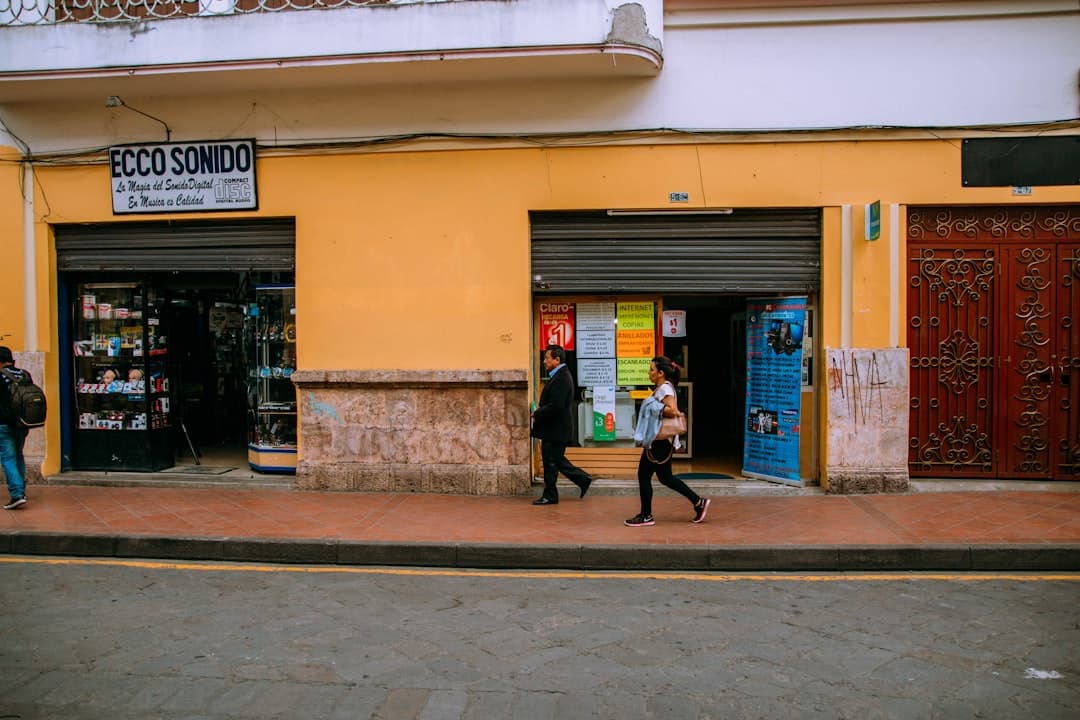
Ecuador occupies a singular position in South America's economic landscape. As one of only two countries on the continent that uses the United States dollar as its official currency — the other being Panama — it eliminates currency exchange risk, a factor that frequently deters foreign capital in the region.
Monetary Stability as a Foundation
Dollarization, adopted in 2000 following a severe banking crisis, has provided Ecuador with consistent inflation control compared to regional peers. Foreign businesses operating in the country conduct transactions, contracts, and accounting in dollars without exposure to devaluation, a structural advantage that simplifies cross-border financial planning.
Geography and Trade Corridors
Ecuador's Pacific coastline, anchored by the Port of Guayaquil, provides direct maritime access to North American, Asian, and European markets. The country shares land borders with Colombia and Peru, situating it within the Andean commercial corridor. Membership in the Andean Community of Nations (CAN) grants preferential trade conditions across member states.
Ecuador has also pursued bilateral trade agreements with the European Union and has advanced negotiations with other partners, broadening market access for goods produced within its borders.
Key Sectors Attracting Interest
Agriculture remains a core export engine, with Ecuador ranking among the world's leading exporters of bananas, shrimp, cacao, and cut flowers. The energy sector, including hydroelectric generation and oil extraction in the Amazon basin, continues to draw infrastructure investment. A growing technology and services sector has also emerged in cities such as Quito and Guayaquil, supported by a relatively young and urban workforce.
Remaining Considerations
Security conditions in certain regions have presented challenges for businesses in recent years, and regulatory frameworks have shifted across successive administrations. Investors typically conduct detailed due diligence on sector-specific rules before committing capital.
Despite these variables, Ecuador's combination of currency stability, export diversity, and geographic positioning continues to attract the attention of companies seeking entry points into the broader Andean market.
Open Questions
Will ongoing security reforms translate into sustained improvements in the business climate? How will Ecuador's trade agreement strategy evolve under future administrations? Can the technology sector develop sufficient infrastructure to compete regionally?
Sources: World Bank Group, Andean Community of Nations (CAN), Ecuador Central Bank (Banco Central del Ecuador), United Nations ECLAC trade data, Port of Guayaquil Authority
This article is based on a verified primary source. The text was editorially reviewed and fact-checked prior to publication.