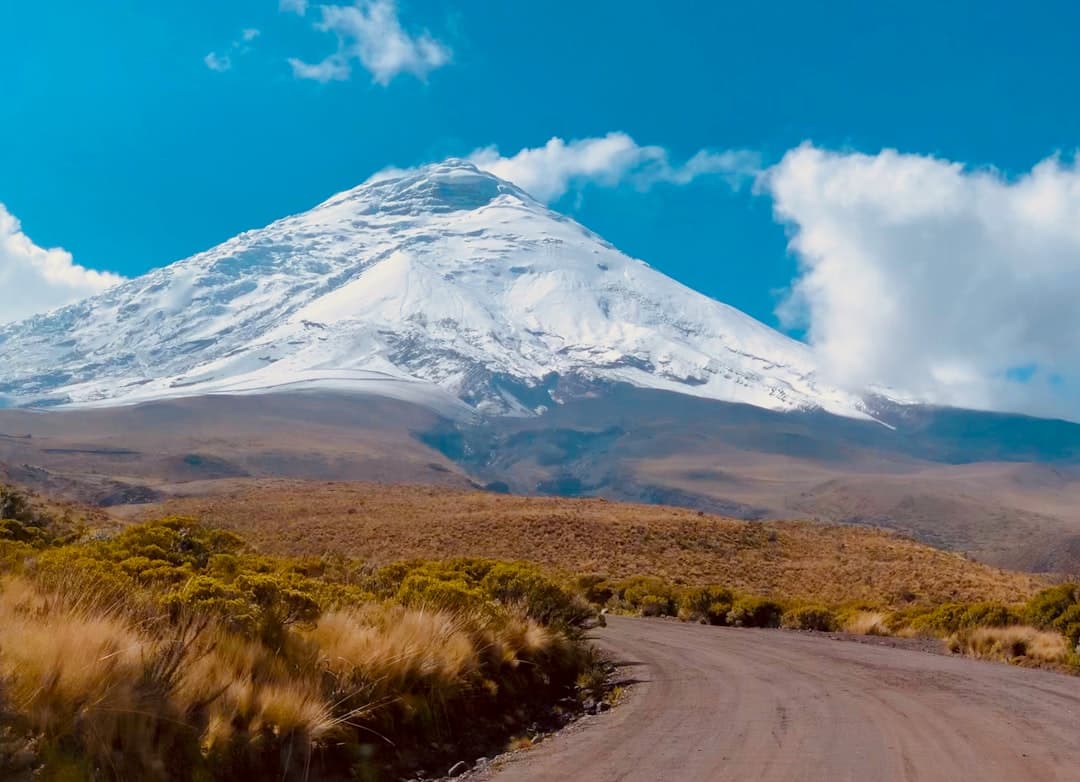
Ecuador, one of South America's smallest countries by land area, contains four distinct geographical regions — the Coast, the Andes highlands, the Amazon rainforest, and the Galápagos archipelago — making it one of the most biodiverse nations per square kilometer on the planet. This geographic concentration has long attracted naturalists and adventure travelers, and international tourism bodies have increasingly highlighted the country as a high-value destination for the coming years.
Galápagos: A Benchmark for Sustainable Tourism
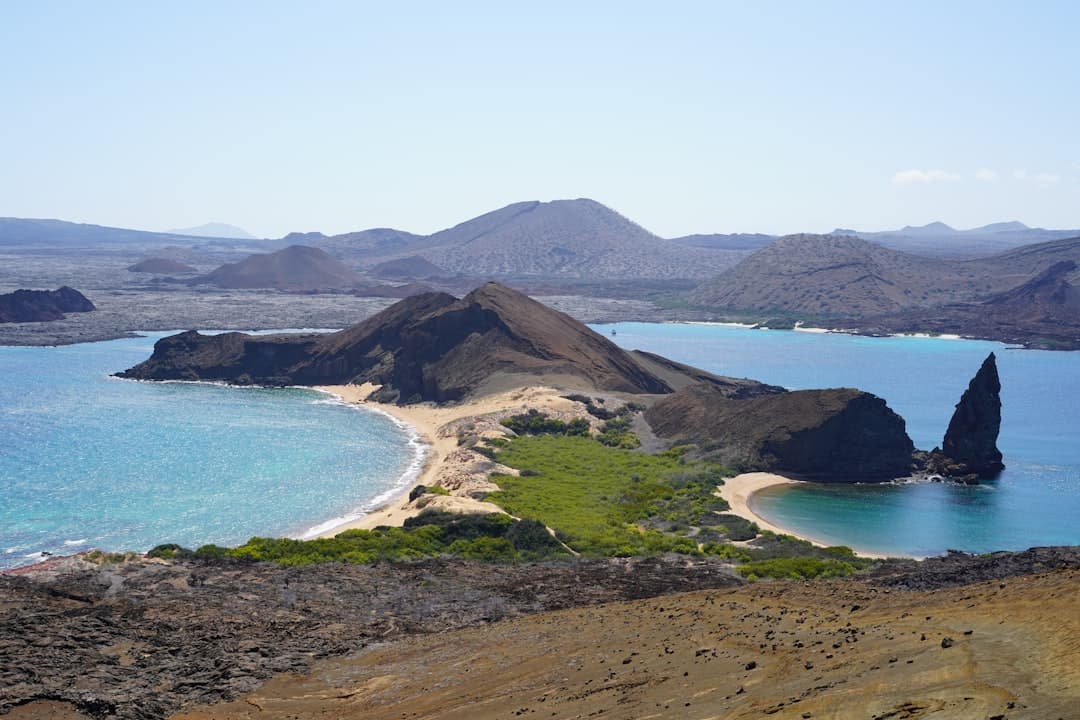
The Galápagos Islands, a UNESCO World Heritage Site and source of Charles Darwin's foundational research on natural selection, remain Ecuador's most recognized international draw. The Ecuadorian government has implemented visitor controls and conservation fees to manage ecological pressure on the archipelago, measures that have received attention from global sustainable tourism organizations. Access is regulated through licensed tour operators, and the islands continue to host species found nowhere else on Earth.
Cultural and Archaeological Richness on the Mainland
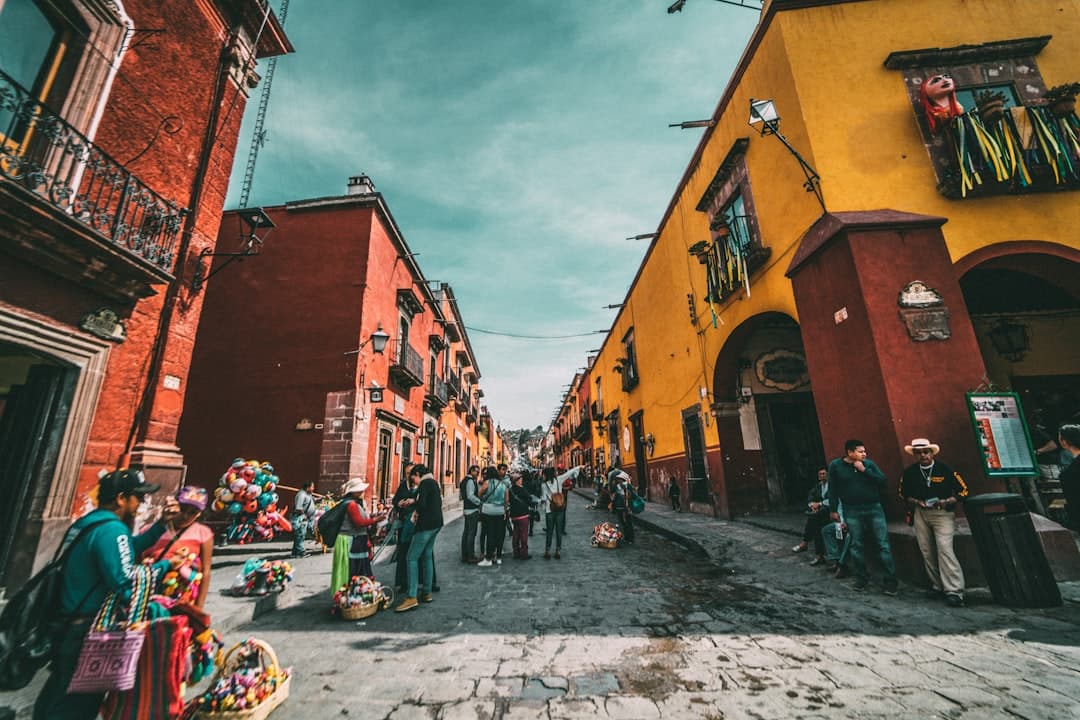
Quito, Ecuador's capital, holds the distinction of being one of the first cities designated a UNESCO World Heritage Site, recognized for its well-preserved colonial-era historic center. The city sits at high altitude in the Andes and serves as a gateway to surrounding markets, volcanic landscapes, and indigenous communities. The Otavalo market, operating continuously for centuries, stands as one of the most significant indigenous craft markets in Latin America.
Infrastructure and Accessibility
Ecuador uses the US dollar as its official currency, removing exchange-rate complexity for many international travelers. The country maintains two international airports — in Quito and Guayaquil — with connections to major North American and European hubs. Tourism authorities have expanded ecotourism and community-based travel programs across the Amazon region in recent years, broadening the range of experiences available to visitors.
Open Questions
Whether Ecuador's conservation frameworks can accommodate sustained tourism growth without ecological degradation remains an active concern among environmental researchers. The balance between economic development and biodiversity protection in both the Galápagos and the Amazon continues to be monitored by international bodies.
Sources: UNESCO World Heritage List, Ecuador Ministry of Tourism, Galápagos National Park Directorate, Lonely Planet Best in Travel rankings, IUCN biodiversity reports.
This article is based on a verified primary source. The text was editorially reviewed and fact-checked prior to publication.