Ecuador occupies a distinct position in South American cultural geography. Its cities, particularly those in the Sierra region, preserve some of the finest examples of colonial urban planning and ecclesiastical architecture on the continent.
Quito: A Benchmark of Colonial Preservation
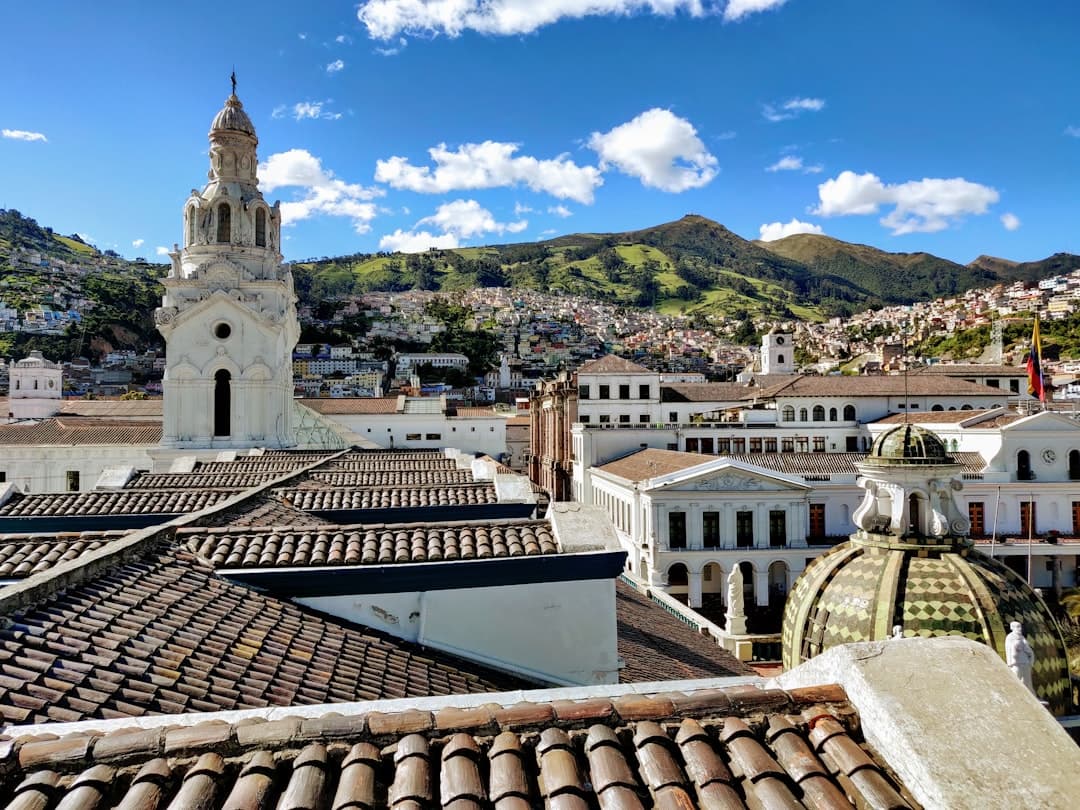
The capital, Quito, was among the first cities designated a UNESCO World Heritage Site, a status granted in 1978 alongside Kraków, Poland. The historic center contains hundreds of monuments, churches, convents, and plazas that reflect the architectural conventions of the Spanish colonial period. The Church of La Compañía de Jesús, built over decades by Jesuit missionaries, is considered one of the most ornate baroque structures in the Americas. The city's layout follows a grid system established during the early colonial period and remains largely intact.
Cuenca and the Southern Highlands
Cuenca, Ecuador's third-largest city, also holds UNESCO World Heritage recognition for its historic center. The city was built over the ruins of Tomebamba, a significant administrative center of the Inca Empire. Colonial-era buildings constructed from local blueish marble and the presence of four rivers running through the city give Cuenca a distinctive character. The area is also associated with the production of traditional Panama hats, which despite the name, originate in Ecuador.
Indigenous Heritage and Living Traditions
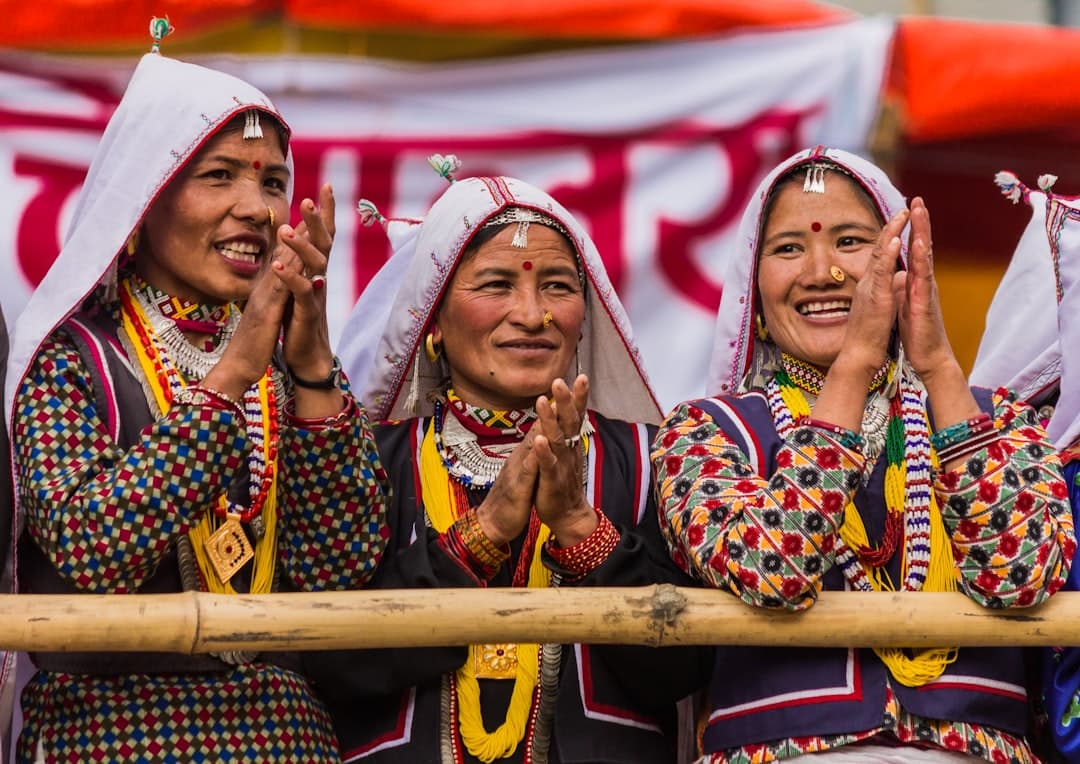
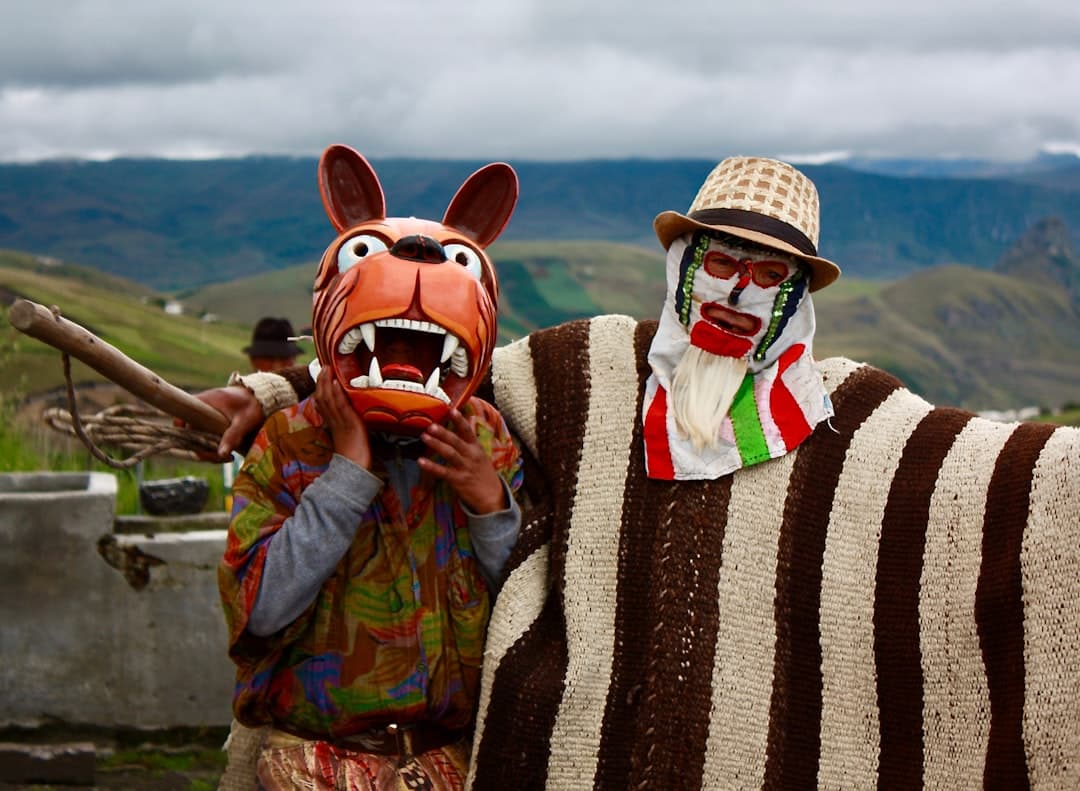
Beyond formal monuments, Ecuador's cultural legacy includes the traditions of numerous indigenous nationalities. The Otavalo market in the northern Andes operates as one of the largest indigenous markets in South America, where textiles, crafts, and cultural practices have continued across generations. The country recognizes a range of nationalities and peoples in its constitution, reflecting the political and cultural weight of indigenous identity in national life.
Archaeological Contexts
Pre-Columbian cultures left substantial evidence across Ecuador's territory. The Valdivian civilization, considered among the oldest in the Americas, produced ceramics dated to several thousand years before the common era. Archaeological sites along the coast and in the Amazon basin continue to be studied by researchers from Ecuadorian institutions and international universities.
This article is based on a verified primary source. The text was editorially reviewed and fact-checked prior to publication.