Ecuador recognizes fourteen distinct indigenous nationalities, each maintaining its own language, spiritual practices, and social structures. These groups — among them the Kichwa, Shuar, Achuar, Waorani, and Tsáchila — collectively represent a significant portion of the national population and occupy territories that span dramatically different ecosystems, from high-altitude páramo to tropical rainforest.
Cultural Practices and Ceremonial Life
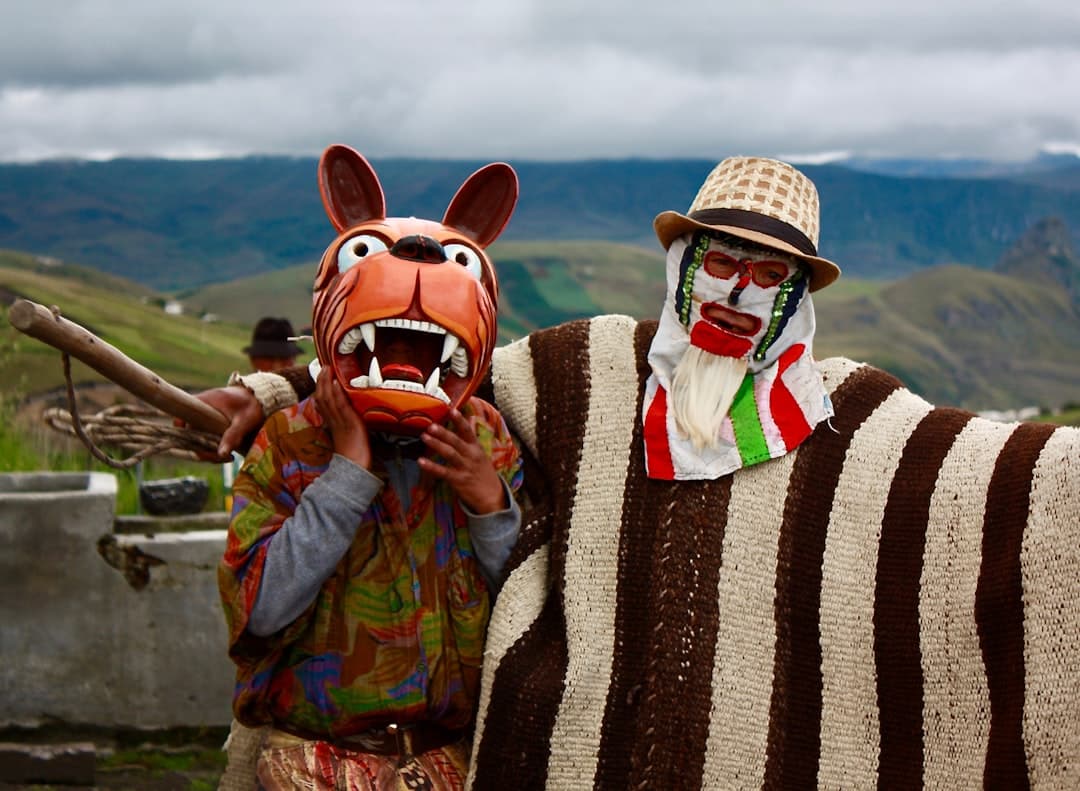
Across the country, indigenous communities mark the agricultural and solar calendar through ceremonies that predate Spanish colonization. The Inti Raymi, or Festival of the Sun, is among the most widely observed, celebrated with music, dance, and communal feasting during the June solstice. In the Amazon region, rituals tied to healing, plant knowledge, and territorial stewardship remain central to community life.
Traditional textile arts, oral histories, and ancestral medicine systems are transmitted across generations through community-based education and apprenticeship. Several indigenous languages, including Kichwa, are taught in bilingual intercultural schools operating under frameworks established by Ecuador's Ministry of Education.
Legal Recognition and Constitutional Standing
Ecuador's 2008 constitution is internationally recognized for granting rights to nature — a framework shaped in part by indigenous cosmologies, particularly the concept of Sumak Kawsay, or "good living." The constitution also formally recognizes the collective rights of indigenous peoples, including rights to prior consultation on projects affecting their territories.
The Confederation of Indigenous Nationalities of Ecuador, known as CONAIE, functions as a principal representative body, engaging with government institutions on policy matters related to land, education, and cultural rights.
Ongoing Challenges
Despite constitutional protections, indigenous communities continue to navigate tensions arising from extractive industries, land disputes, and the erosion of native languages among younger generations. Cultural organizations and community leaders work to address these pressures through documentation projects, festivals, and intercultural dialogue programs.
Ecuador's indigenous heritage remains a dynamic, living presence rather than a historical artifact, actively shaped by the communities that carry it forward.
Open Questions
How effectively are bilingual intercultural education programs reaching remote communities? What mechanisms exist to ensure meaningful prior consultation before resource extraction begins on ancestral lands?
Sources: Ecuador Constitution (2008), CONAIE official communications, UNESCO intangible cultural heritage documentation, Ecuador Ministry of Education bilingual education framework.
This article is based on a verified primary source. The text was editorially reviewed and fact-checked prior to publication.