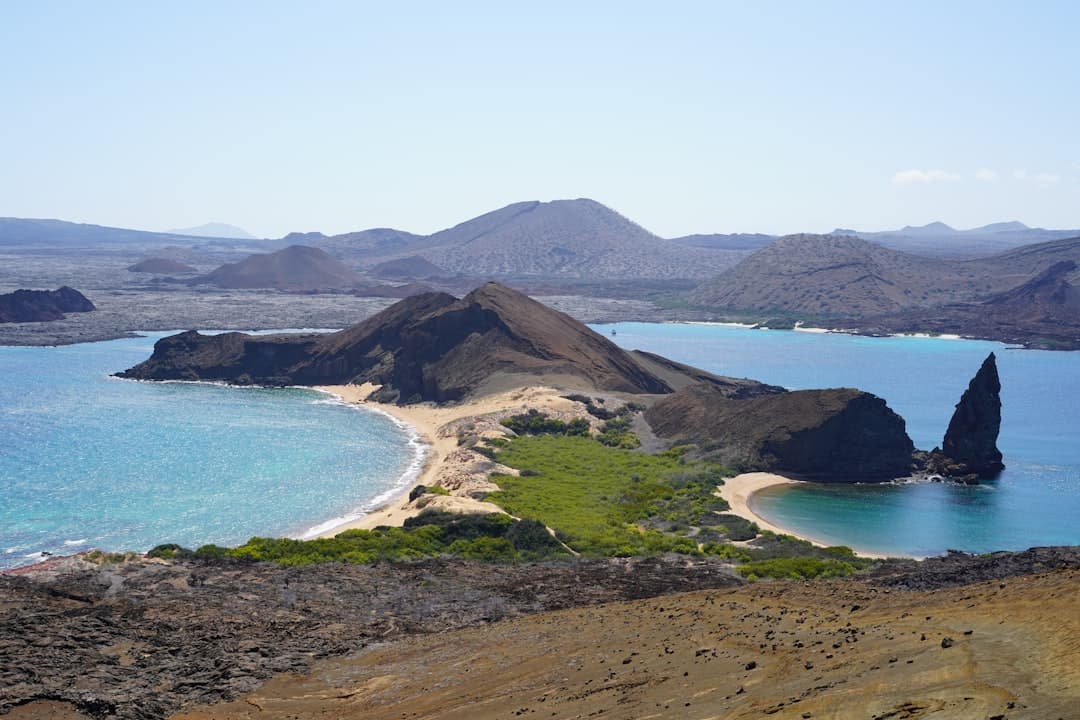
Ecuador, one of South America's smaller nations by land area, contains four distinct geographic zones — the Costa, Sierra, Amazonia, and the Galápagos Islands — each offering separate ecological and cultural experiences. While the Galápagos archipelago draws international attention, the mainland holds destinations recognized by tourism bodies and UNESCO alike.
Quito and the Andean Highlands
The capital city of Quito sits at approximately 2,850 meters above sea level in the Andean highlands. Its historic center was among the first sites designated a UNESCO World Heritage Site in 1978, recognized for its well-preserved colonial architecture and urban layout. The city serves as a common entry point for travelers exploring the broader Sierra region.
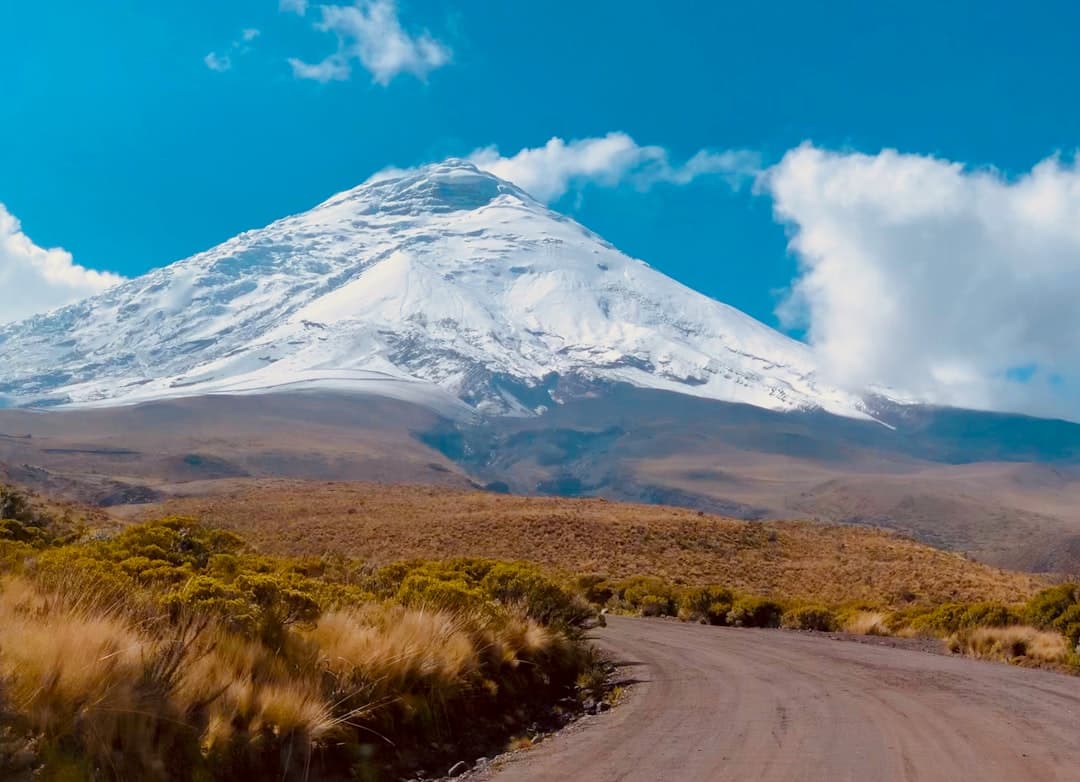
South of Quito, the Avenue of the Volcanoes — a term associated with naturalist Alexander von Humboldt — runs through a corridor of peaks that includes Cotopaxi, one of the world's highest active volcanoes. Cotopaxi National Park offers hiking, cycling, and high-altitude wildlife observation.
Cuenca and Southern Ecuador
The city of Cuenca, located in the southern highlands, holds its own UNESCO World Heritage designation for its historic center. The city is also recognized as a center for traditional Panama hat production, an artisan industry formally acknowledged through UNESCO's intangible cultural heritage lists.
The Amazon Basin
Eastern Ecuador, known as the Oriente, provides access to the upper Amazon basin. Several indigenous communities in this region operate tourism programs in coordination with conservation organizations, offering guided experiences within primary rainforest. Yasuní National Park, a biosphere reserve designated by UNESCO, is among the areas cited for high biodiversity levels.
The Cloud Forest Corridor
The western and eastern slopes of the Andes host cloud forest ecosystems that attract birdwatchers and ecotourists. The Mindo Valley, northwest of Quito, is frequently referenced in ornithological literature for its bird species richness.
Open Questions
Infrastructure development across some remote Amazonian destinations remains uneven, and access conditions can shift seasonally. The long-term impact of increased tourism on indigenous territories and protected areas continues to be monitored by environmental organizations.
Sources: UNESCO World Heritage List (whc.unesco.org), UNESCO Intangible Cultural Heritage Lists, Ecuador Ministry of Tourism (turismo.gob.ec), Yasuní Biosphere Reserve documentation (UNESCO MAB Programme)
This article is based on a verified primary source. The text was editorially reviewed and fact-checked prior to publication.