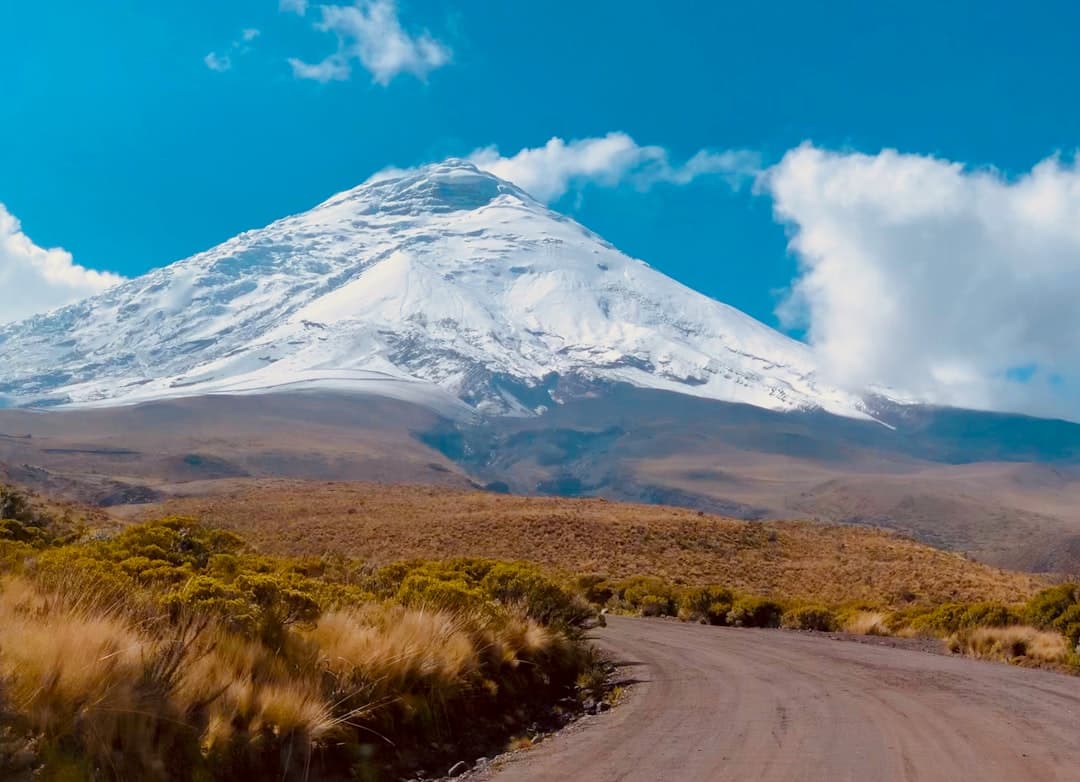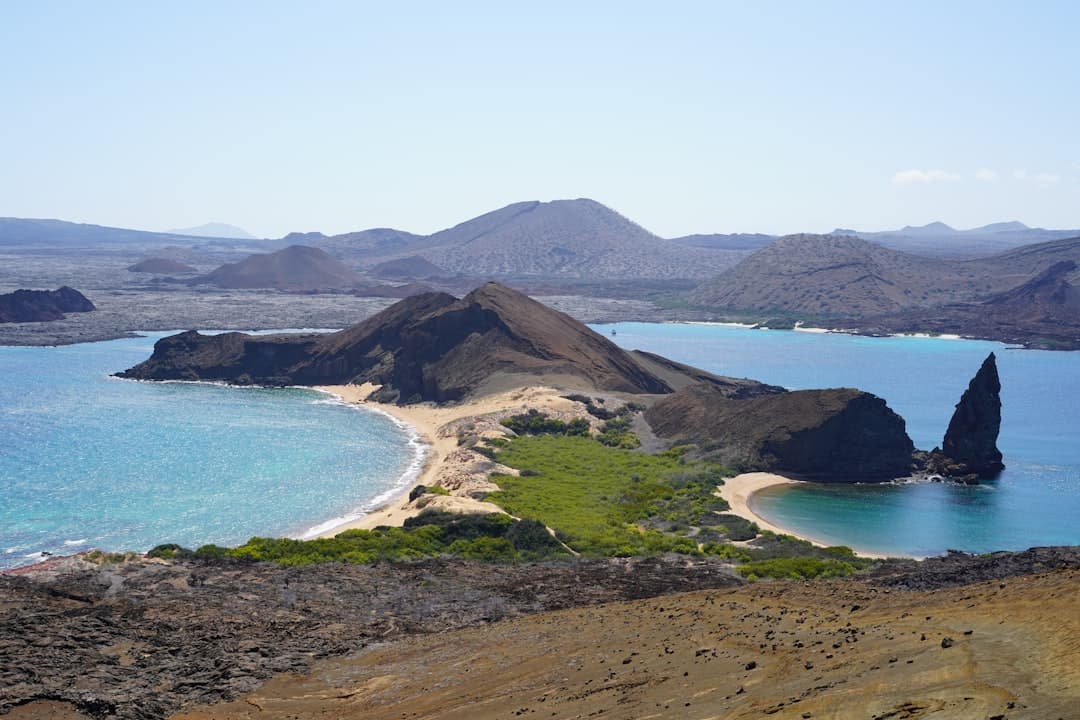
Ecuador occupies a relatively small area on South America's northwestern coast, yet contains four distinct geographic regions — the Galápagos Islands, the Amazon basin, the Andean highlands, and the Pacific coastal lowlands — each supporting dramatically different ecosystems and wildlife communities.
The Galápagos: Protected but Accessible
The Galápagos Islands, a UNESCO World Heritage Site located roughly 1,000 kilometers off Ecuador's mainland coast, remain among the most studied volcanic archipelagos in the world. Strict visitor regulations administered by the Galápagos National Park Directorate limit human impact on the islands' endemic species, which include marine iguanas, giant tortoises, and several booby species found nowhere else on Earth. Access is managed through licensed tour operators, and visitor numbers are subject to official caps to protect fragile habitats.
Cloud Forests and Andean Reserves
On the mainland, Ecuador's Andean cloud forests represent some of the most biodiverse terrestrial environments on the planet. The Mindo-Nambillo area, situated on the western Andean slopes northwest of Quito, is internationally recognized as a premier birdwatching destination, with recorded species counts among the highest per unit area anywhere in South America. The region also supports numerous orchid and amphibian species, many of which have been documented by scientific institutions operating in the area.
Amazon Access Through the Oriente
Ecuador's eastern lowlands, commonly referred to as the Oriente, provide access to the upper Amazon basin. National parks such as Yasuní, which has been recognized for extraordinary levels of biodiversity, offer guided expedition opportunities for travelers seeking direct engagement with primary rainforest. Indigenous-led tourism initiatives in the region have expanded access while supporting local community economies.
Coastal and Marine Environments
Along the Pacific coast, Machalilla National Park protects dry tropical forest, marine zones, and Isla de la Plata — sometimes described as an accessible alternative for observing seabirds and humpback whale migration routes during seasonal months. Infrastructure along this coastal corridor has developed incrementally, providing options for travelers at varying budget levels.
Open Questions
How will Ecuador balance expanding tourism infrastructure with the long-term conservation obligations tied to its protected areas? What role will indigenous community partnerships play in shaping responsible travel models across the Oriente?
Sources: UNESCO World Heritage Centre, Galápagos National Park Directorate (Dirección del Parque Nacional Galápagos), Ecuador Ministry of Tourism (Ministerio de Turismo del Ecuador), BirdLife International, Yasuní National Park administrative records.
This article is based on a verified primary source. The text was editorially reviewed and fact-checked prior to publication.