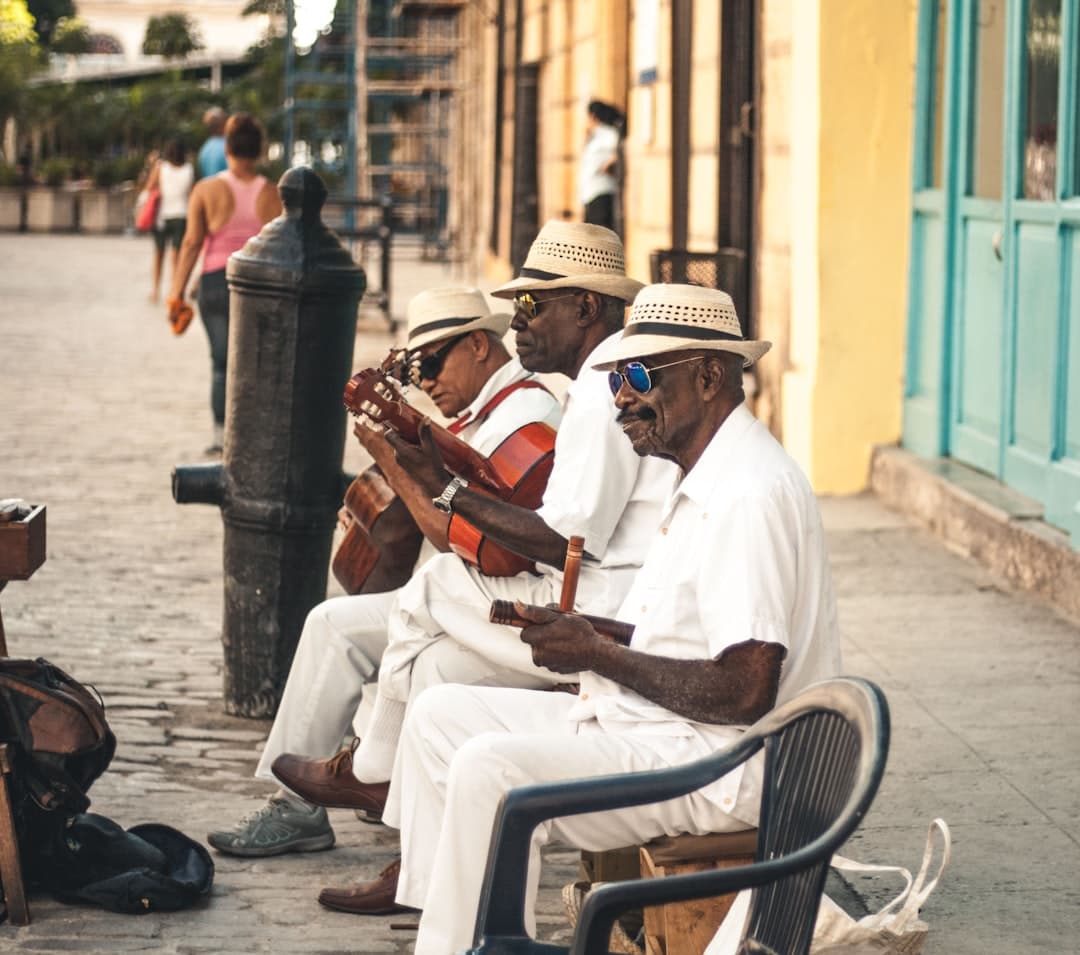
Few islands of comparable size have produced a cultural output as far-reaching as Cuba's. From the rhythmic foundations of son cubano and mambo to the improvisational complexity of Afro-Cuban jazz, the country's musical traditions have shaped entire genres adopted and adapted by artists worldwide.
A Heritage Built on Synthesis
Cuban music draws from a layered history of Indigenous, Spanish colonial, and West African influences. This synthesis gave rise to distinct styles — rumba, bolero, cha-cha-chá, and timba among them — each carrying its own rhythmic identity. These forms have been absorbed into mainstream popular music across South America, the Caribbean, and Europe, often serving as a foundation for further experimentation.
Salsa, which developed significantly among Latin communities in New York during the mid-twentieth century, is widely recognized as having deep structural roots in Cuban son. Cuban musicians who emigrated contributed directly to the genre's development, and that cross-pollination has continued in various forms ever since.
Visual Arts and Literature
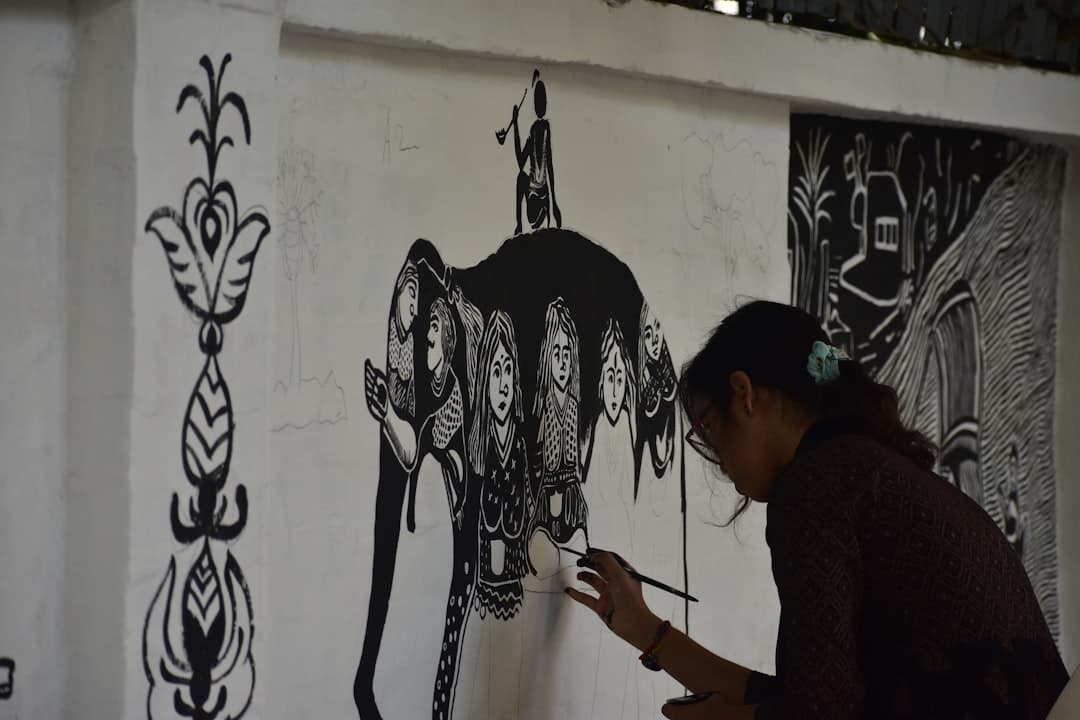
Beyond music, Cuban visual artists and writers have maintained a presence in major international exhibitions and literary circles. The country's state-supported arts infrastructure — including institutions such as the Instituto Superior de Arte in Havana — has produced graduates who later gained recognition at international biennials and gallery exhibitions across Europe and the Americas.
Cuban literature, particularly works associated with the mid-twentieth century boom in Latin American writing, remains part of academic curricula in universities across the region and globally.
Dance as Cultural Diplomacy
Cuban ballet carries a distinctive reputation internationally. The Ballet Nacional de Cuba, founded in the mid-twentieth century, developed a training methodology recognized by dance institutions worldwide. Cuban-trained dancers and choreographers have held positions in major companies across Europe and Latin America.
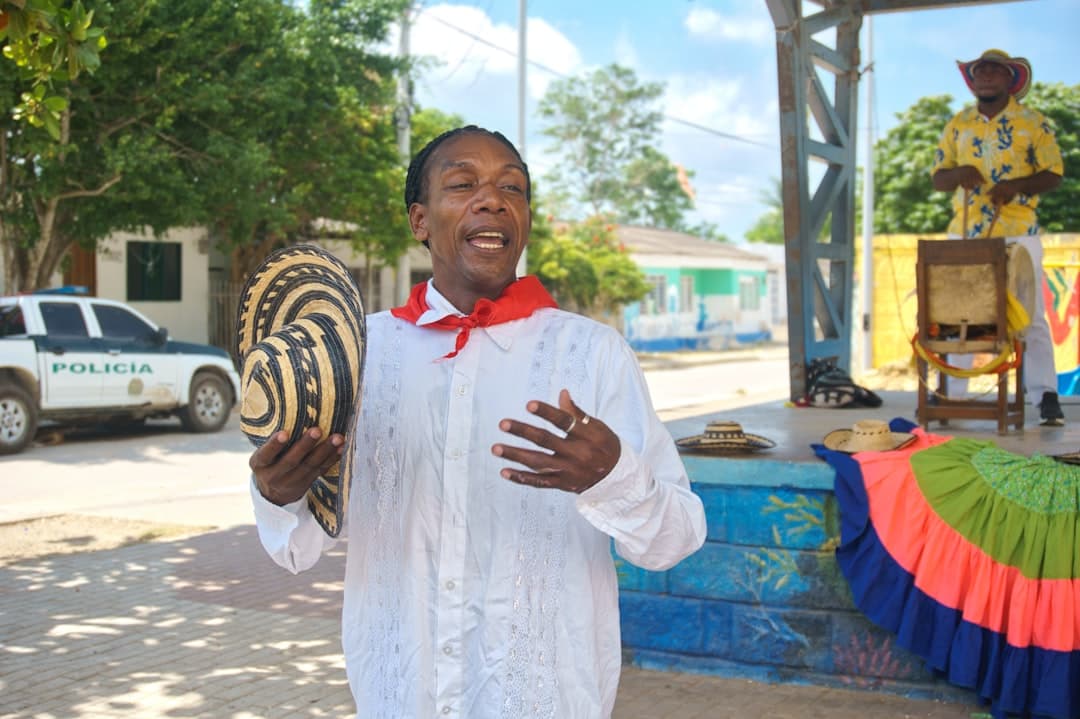
Folkloric dance traditions rooted in Afro-Cuban religious and ceremonial practice have also traveled internationally through touring companies and cultural exchange programs, introducing audiences to traditions that remain active on the island.
Open Questions
How will ongoing economic constraints on the island affect the next generation of Cuban artists and their ability to participate in international cultural exchange? Will digital platforms create new pathways for Cuban musicians to reach global audiences despite existing restrictions?
Sources: UNESCO Cultural Heritage records; Library of Congress, American Folklife Center; Smithsonian National Museum of American History; Grove Music Online (Oxford University Press)
This article is based on a verified primary source. The text was editorially reviewed and fact-checked prior to publication.