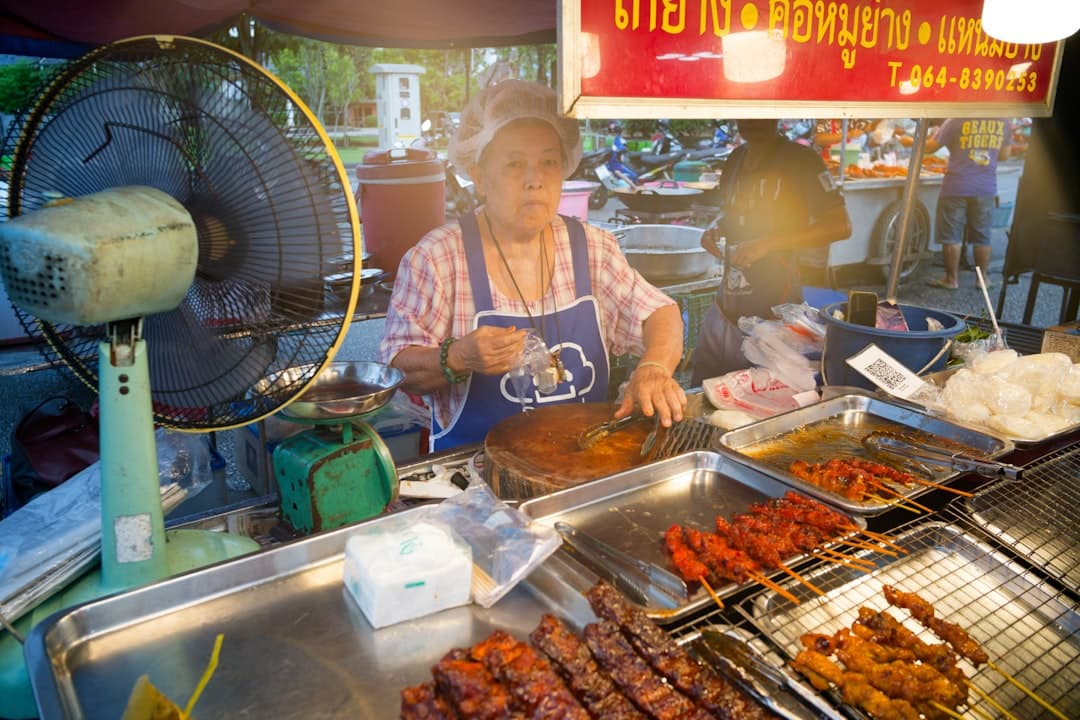
Across Honduras, street food culture serves as a living record of the country's diverse culinary heritage. From the humid Caribbean coast to the cooler highland markets of the interior, vendors prepare dishes using techniques and ingredients that have remained largely unchanged for generations.
Staple Dishes and Regional Variations
Among the most recognizable offerings is the baleada, a flour tortilla filled with refried red beans, crema, and crumbled cheese. Widely considered Honduras's most emblematic street food, the baleada is available throughout the country and varies by region, with coastal versions often incorporating scrambled eggs, avocado, or grilled meat as additions.
Corn-based preparations also occupy a central place in Honduran street food. Tamales, wrapped in banana leaves and filled with seasoned pork or chicken, are common at markets and roadside stalls, particularly during weekends and festive periods. Pupusas, though more closely associated with neighboring El Salvador, have also gained a presence in Honduran border communities.
Coastal Influences
Along the Caribbean coast and the Bay Islands, Afro-Caribbean culinary traditions shape the street food landscape. Dishes prepared with coconut milk, plantains, and fresh seafood reflect the Garífuna cultural heritage that remains strong in these areas. Vendors in Tela and La Ceiba frequently offer machuca, a mashed plantain dish served with fish broth, as a midday meal.
Market Culture and Urban Vendors
Municipal markets in larger cities function as gastronomic hubs where vendors congregate daily. The Mercado Zonal Belén in Tegucigalpa and the Mercado Guamilito in San Pedro Sula are recognized gathering points where a wide range of regional specialties can be found under a single roof.
Street food in Honduras operates largely within an informal economy, with many vendors relying on family recipes and locally sourced ingredients. This structure contributes to the preservation of regional flavors and maintains a direct supply chain between local agricultural producers and urban consumers.
Open Questions
Whether formal culinary tourism infrastructure will develop around Honduras's street food traditions, and how urbanization may affect the availability of traditional regional ingredients, remain subjects of ongoing observation.
Sources: Honduran Institute of Tourism (IHT), Smithsonian Folklife Festival documentation on Garífuna culture, Latin American food history scholarship.
This article is based on a verified primary source. The text was editorially reviewed and fact-checked prior to publication.