A Cuisine Shaped by Geography
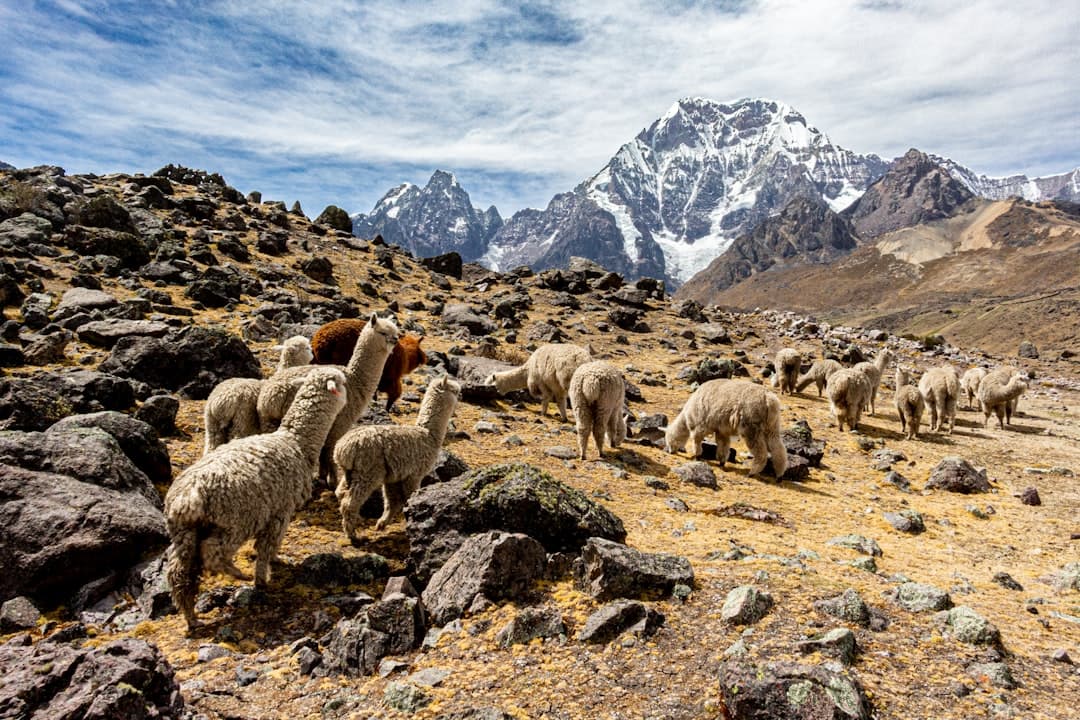
Ecuador's culinary landscape is directly tied to its geography. The country occupies three distinct ecological zones — the Pacific coast, the Andean highlands, and the Amazon basin — each producing different ingredients and giving rise to separate cooking traditions.
Along the coast, ceviche made with shrimp or fish remains a staple dish, typically prepared with citrus juice, onion, and tomato. In the highlands, locro de papa, a thick potato and cheese soup, reflects centuries of Andean agricultural heritage. The potato itself, along with quinoa and maize, has been cultivated in this region since pre-Inca times.
The Amazon region contributes ingredients less common in global cuisine, including yuca, plantain-based preparations, and a variety of tropical fruits that appear in both street food and home cooking.
Cacao and Chocolate: A Global Export
Ecuador is one of the world's leading producers of fine-flavor cacao, particularly the Nacional variety, which is considered among the most prized in the international chocolate market. Ecuadorian cacao has received recognition at multiple global chocolate competitions, and the country's chocolate-producing sector has expanded significantly over recent decades.
Specialty Coffee from the Southern Andes
While Ecuador has historically been more closely associated with cacao than coffee, its coffee sector has grown considerably in the specialty market. Growing regions in Loja, Zamora-Chinchipe, and parts of Pichincha produce arabica beans at high altitudes, conditions widely associated with complex flavor profiles.
Ecuadorian coffee is sold in both washed and natural processing styles, and small-scale farms have increasingly adopted practices aligned with specialty and organic certification standards. Export markets in Europe and North America have shown growing demand for these products.
Street Food and Market Culture
Local markets, known as mercados, serve as central hubs for food culture across Ecuadorian cities and towns. Markets such as the Mercado Central in Quito and the Feria Libre in Cuenca offer prepared foods alongside fresh produce, functioning as cultural and economic gathering points that have operated continuously for generations.
This article is based on a verified primary source. The text was editorially reviewed and fact-checked prior to publication.