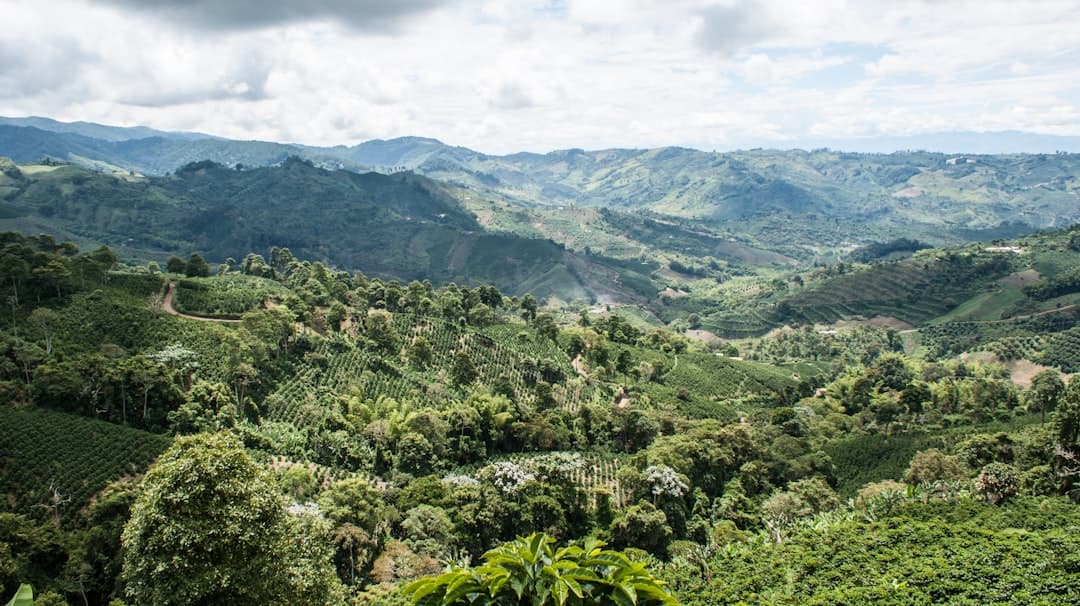
Guatemala has emerged as a notable presence in the global specialty coffee and culinary landscape, with its highland-grown Arabica beans and indigenous food traditions attracting sustained interest from international buyers, chefs, and cultural organizations.
Coffee From the Highlands
Guatemalan coffee, cultivated across distinct growing regions including Antigua, Huehuetenango, and Atitlán, has long been recognized for its complexity and regional variation. Each zone produces beans shaped by differences in altitude, soil composition, and microclimate. Specialty coffee buyers and roasters in North America, Europe, and Asia have increasingly sourced Guatemalan single-origin beans, drawn by flavor profiles that range from bright citrus notes to deep chocolate and spice characteristics.
Anacafé, the National Coffee Association of Guatemala, has historically promoted the country's growing regions through certification programs and international trade events, helping establish Guatemala as a consistent presence in the specialty coffee sector.
Traditional Cuisine on the World Stage
Guatemalan cuisine, rooted in Mayan culinary traditions and shaped by centuries of mestizo influence, has begun attracting attention beyond the region. Dishes such as pepián, a seed-based stew recognized by UNESCO as part of Guatemala's intangible cultural heritage, and jocon, a tomatillo and herb sauce served with chicken, represent a culinary tradition largely distinct from the Mexican and Tex-Mex food that has long dominated Latin American representation in international dining.
Guatemalan chefs participating in regional and international culinary festivals have contributed to raising the profile of these traditional preparations, while food writers and travel media have given broader coverage to the country's market culture and indigenous ingredients.
Export Growth and Cultural Diplomacy
Coffee remains one of Guatemala's most significant agricultural exports, and the specialty segment has grown as consumer demand for traceable, high-quality beans has risen globally. Cultural institutions have also promoted Guatemalan gastronomy as an element of the country's broader heritage, linking food traditions to tourism and diplomatic outreach.
Open Questions
Whether Guatemala can sustain and expand its specialty coffee reputation amid climate pressures affecting highland growing conditions remains an open concern. The degree to which traditional cuisine will achieve the kind of mainstream international recognition seen by other Latin American food cultures also remains to be seen.
Sources: Anacafé (National Coffee Association of Guatemala), UNESCO Intangible Cultural Heritage Lists, Specialty Coffee Association public materials, Guatemala Ministry of Economy trade publications.
This article is based on a verified primary source. The text was editorially reviewed and fact-checked prior to publication.