Guatemala's culinary identity is anchored in pre-Columbian Mayan cooking techniques and ingredients that have persisted across generations. Corn, black beans, chiles, and squash form the foundational pillars of the national diet, a combination that predates Spanish arrival in the sixteenth century.
Staple Dishes Rooted in Tradition
Pepián stands among the most recognized dishes in Guatemalan cooking. A thick, seed-based stew typically prepared with chicken or pork, it relies on a ground mixture of pumpkin seeds, sesame seeds, and dried chiles for its characteristic texture and depth of flavor. The dish carries protected cultural status and is considered part of Guatemala's intangible cultural heritage.
Jocon, originating from the western highlands, features chicken cooked in a green sauce made from tomatillos, cilantro, and green onions. It is closely associated with the Q'anjob'al and other Mayan communities of the Huehuetenango region.
Kak'ik, a ceremonial turkey broth seasoned with annatto and regional chiles, originates from the Q'eqchi' Maya of Alta Verapaz. The dish is considered one of the oldest continuously prepared soups in Mesoamerica and appears on UNESCO's list of Intangible Cultural Heritage of Humanity as part of Guatemalan traditional food.
Street Food and Everyday Eating
Tamales occupy a central place in both everyday meals and festive occasions. Guatemalan tamales differ from Mexican varieties in their use of a smoother masa dough and their wrapping in banana leaves rather than corn husks. Rellenitos, made from mashed plantain filled with sweetened black beans and fried, serve as a common street dessert.
Atol de elote, a warm corn-based drink thickened with fresh corn kernels and sweetened with sugar, is widely consumed across the country and reflects the Mesoamerican tradition of corn-based beverages dating back millennia.
Regional Variation
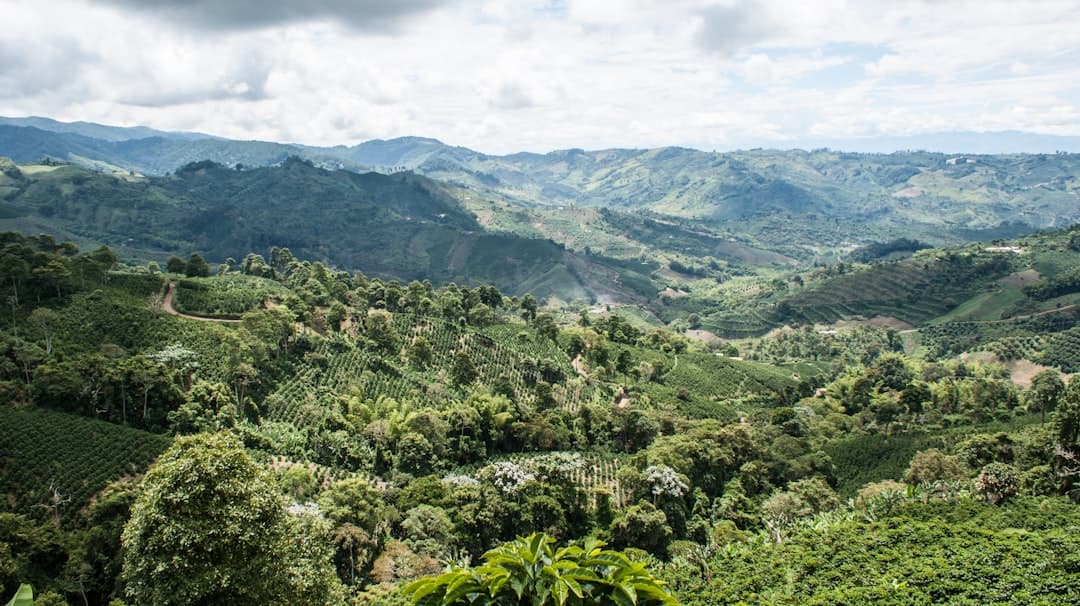
Guatemala's varied altitude zones — from Pacific lowlands to highland plateaus — produce distinct regional cuisines. Coastal areas incorporate more seafood, while highland communities rely heavily on root vegetables and locally grown grains, creating a culinary map that shifts significantly across relatively short distances.
Open Questions
Ongoing research examines how internal migration and urbanization are affecting the preservation of regional recipes, particularly those tied to specific indigenous language communities. The degree to which younger generations maintain traditional preparation methods remains an area of active cultural study.
Sources: UNESCO Intangible Cultural Heritage Lists; Ministerio de Cultura y Deportes de Guatemala; academic literature on Mesoamerican food history.
This article is based on a verified primary source. The text was editorially reviewed and fact-checked prior to publication.