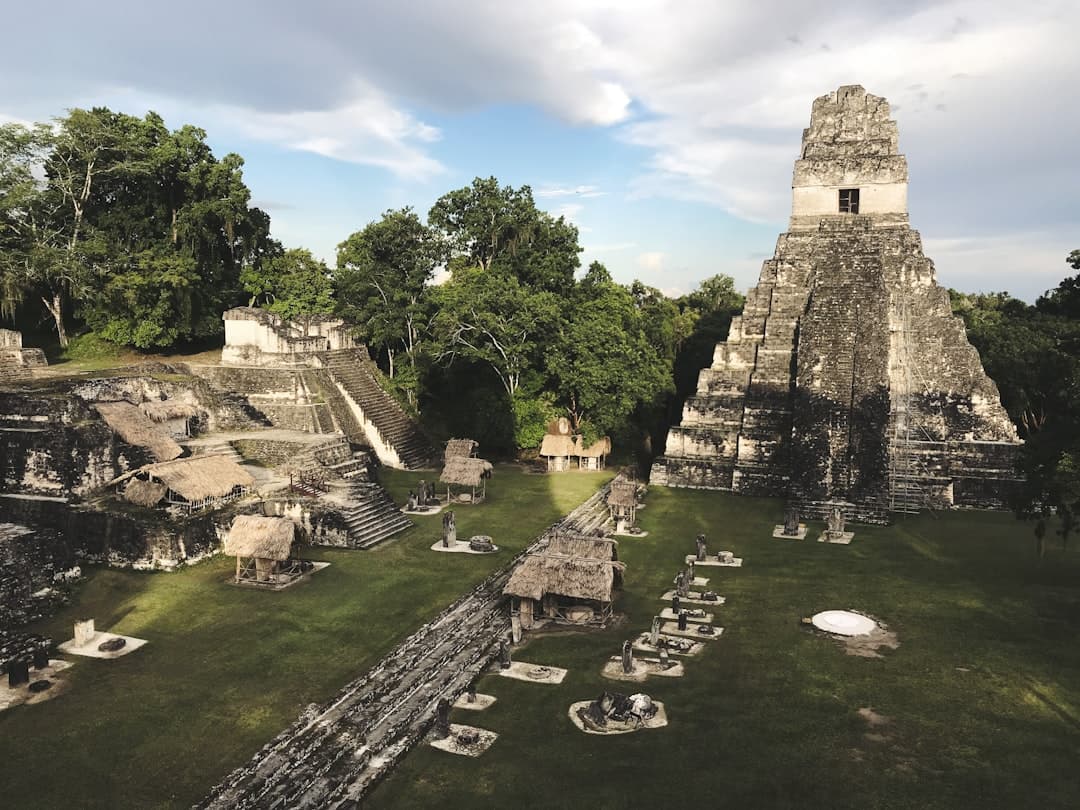
Guatemala counts more than twenty distinct Maya linguistic communities among its population, each carrying its own artistic conventions, ceremonial calendar, and material culture. This richness positions the country as one of the most significant centers of living indigenous heritage in the Western Hemisphere.
Textile Weaving as Cultural Identity
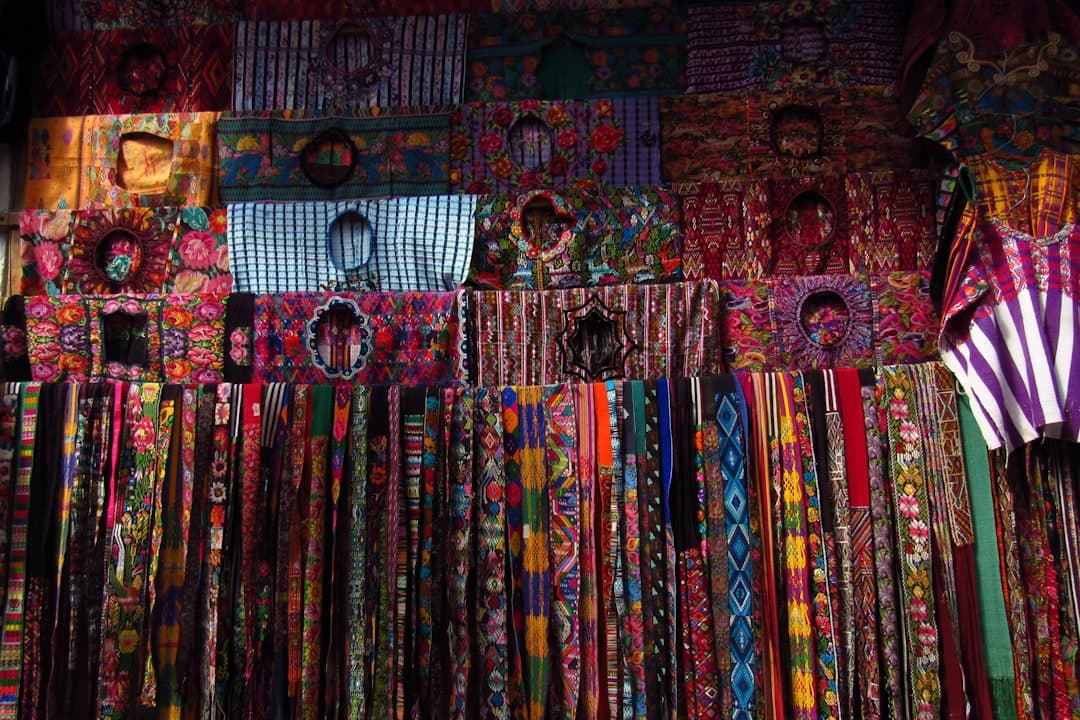
Weaving occupies a foundational role in Maya cultural expression. Artisans, predominantly women, produce huipiles—traditional hand-woven blouses—using backstrap looms, a technique documented in the region for well over a millennium. Each community maintains distinct color palettes, geometric patterns, and symbolic motifs that communicate social, spiritual, and geographic identity. The town of Santiago Atitlán and the market hub of Chichicastenango are among the locations most associated with high-quality traditional textile production and trade.
Ceremonial and Spiritual Practices
The Maya Cholq'ij, a 260-day ceremonial calendar, continues to structure spiritual life for many highland communities. Aj Q'ij, or Maya priests and spiritual guides, conduct fire ceremonies at sacred sites throughout the country, including mountaintop shrines and pre-Columbian ruins such as those at Iximché. These practices have survived centuries of colonial disruption and continue to attract both community participation and scholarly documentation.
Wood Carving, Masks, and Festival Culture
Wooden masks and carved figures form a parallel tradition tied closely to festival performance. The Palo Volador—a ritual pole-flying ceremony—and the Dance of the Conquest are performed across highland towns during patron saint festivals, blending pre-Columbian and colonial-era influences. Mask-making families in towns such as Totonicapán produce pieces used across the country.
Institutional Recognition and Preservation
The Guatemalan government, through bodies such as the Ministry of Culture and Sports and the Academia de Lenguas Mayas de Guatemala, maintains formal programs aimed at documenting and supporting indigenous languages and arts. UNESCO has also recognized several Guatemalan cultural expressions within its intangible heritage frameworks.
Open Questions
How are younger generations within Maya communities navigating the tension between commercial demand for traditional crafts and the preservation of their original cultural significance? What role do diaspora communities play in sustaining these traditions across borders?
Sources: UNESCO Intangible Cultural Heritage Lists; Academia de Lenguas Mayas de Guatemala (almg.org.gt); Ministerio de Cultura y Deportes de Guatemala; Smithsonian National Museum of the American Indian; Library of Congress Country Studies — Guatemala.
This article is based on a verified primary source. The text was editorially reviewed and fact-checked prior to publication.