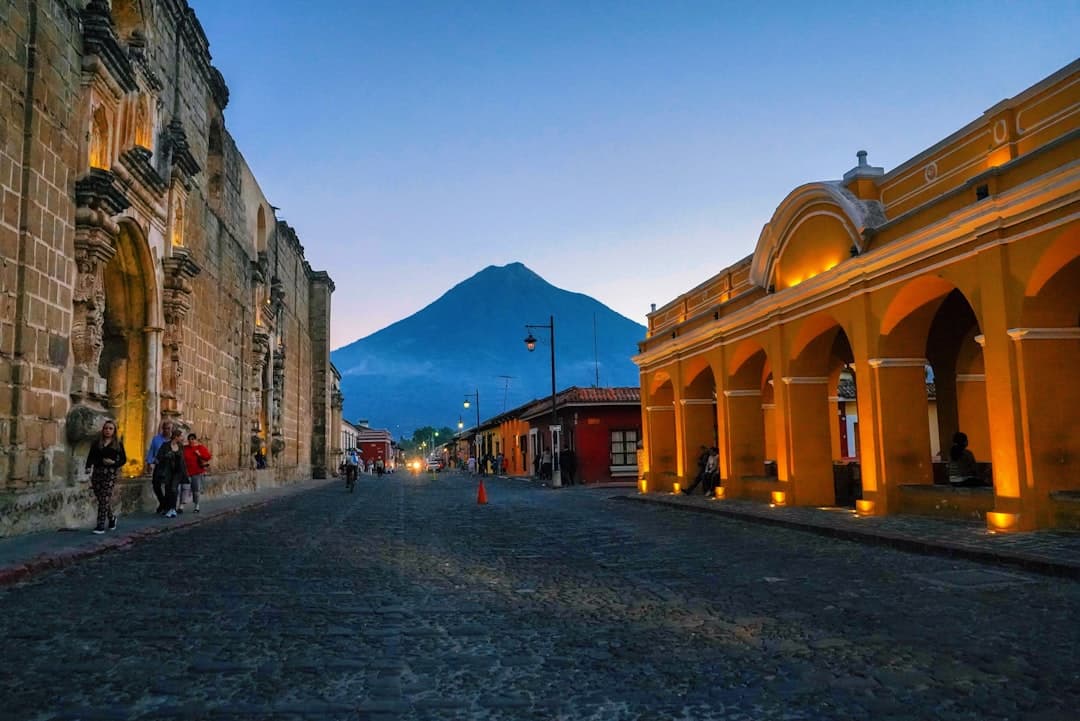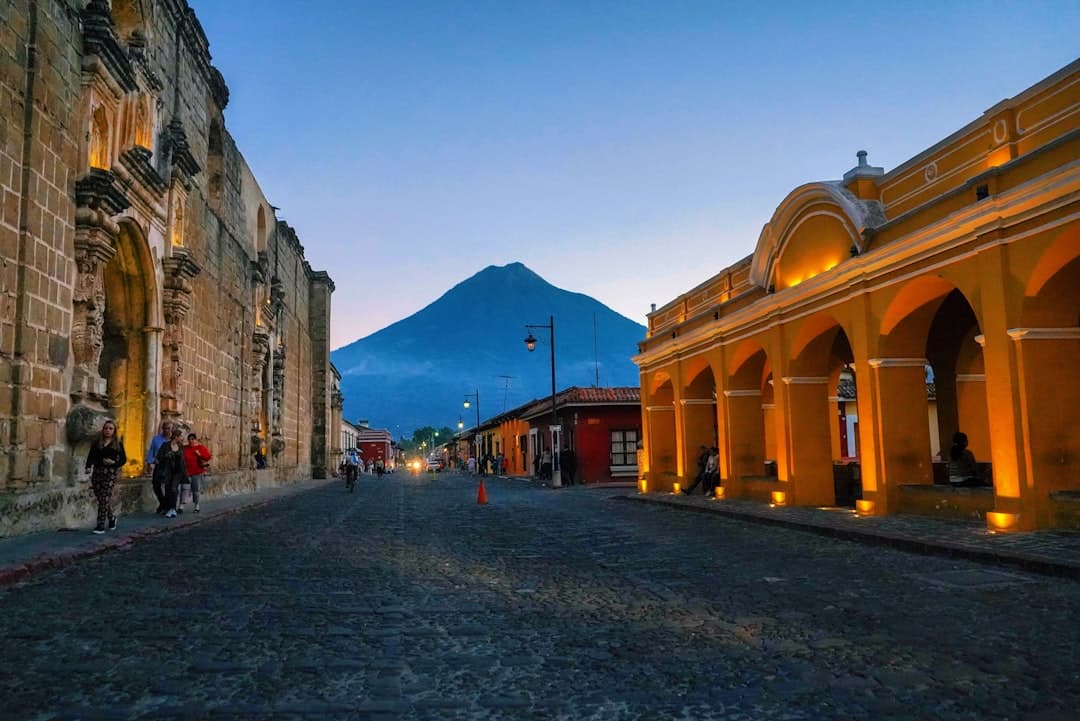
Guatemala harbors some of the most significant archaeological remains of the ancient Maya civilization, drawing international travelers to sites distributed across the country's diverse landscapes — from dense jungle lowlands to highland valleys.
Tikal: The Crown of Maya Archaeology
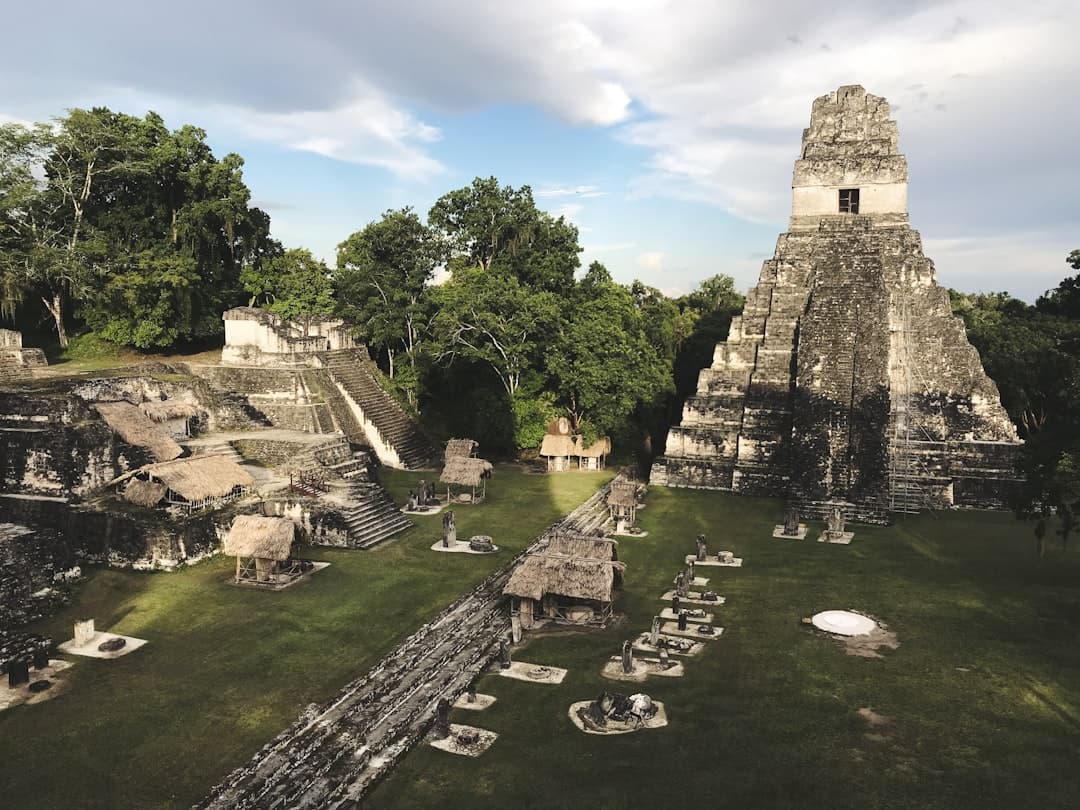
Among Guatemala's archaeological zones, Tikal stands as the most visited. Located within the Petén department in the country's north, Tikal was once one of the most powerful city-states in the Maya world, reaching its peak during the Classic Period, roughly between 250 and 900 CE. The site's towering temple pyramids, several of which rise above the jungle canopy, have earned it UNESCO World Heritage status. Tikal National Park simultaneously functions as a protected natural reserve, allowing visitors to experience both archaeological exploration and wildlife observation within the same territory.
Beyond Tikal: A Network of Ancient Cities
Tikal represents only a fraction of Guatemala's archaeological inventory. The site of Quiriguá, also a UNESCO World Heritage Site, is recognized for its exceptional collection of carved stone stelae and zoomorphic monuments. Further west, the highland region surrounding Lake Atitlán contains pre-Columbian settlements that connect Maya heritage to living Indigenous communities still present in the area. The site of Yaxhá, situated near the Belizean border, offers a less commercialized alternative for travelers seeking a more remote experience.
Tourism Infrastructure and Conservation Tensions
Guatemala's Instituto Guatemalteco de Turismo, known as INGUAT, has worked alongside international conservation bodies to manage visitor access to fragile archaeological zones. Increased tourist traffic has raised ongoing concerns among archaeologists and site administrators regarding the physical preservation of structures and surrounding ecosystems. Efforts to balance economic benefits from tourism against long-term conservation needs remain a central challenge for site management across the country.
Guatemala's position within the broader Maya world — which extends across Mexico, Belize, Honduras, and El Salvador — reinforces its role as a principal destination for researchers, students, and general travelers with an interest in Mesoamerican history.
Open Questions
How will Guatemala's government allocate resources between expanding tourist infrastructure and enforcing stricter conservation protocols at its most visited sites? What role will local Indigenous communities play in future heritage management decisions?
This article is based on a verified primary source. The text was editorially reviewed and fact-checked prior to publication.