Guatemala is home to more than twenty distinct Maya linguistic communities, representing a civilization whose roots extend back several millennia. The country's Maya heritage encompasses ancient archaeological sites, oral traditions, textile arts, ceremonial practices, and a calendar system that continues to guide daily life in many highland communities.
Institutional Frameworks for Preservation
The Guatemalan government established the Academia de las Lenguas Mayas de Guatemala (ALMG) to standardize and promote the writing systems of Maya languages. The institution works alongside the Ministry of Education to incorporate indigenous language instruction into the national curriculum, particularly in regions where Spanish is a second language for many students.
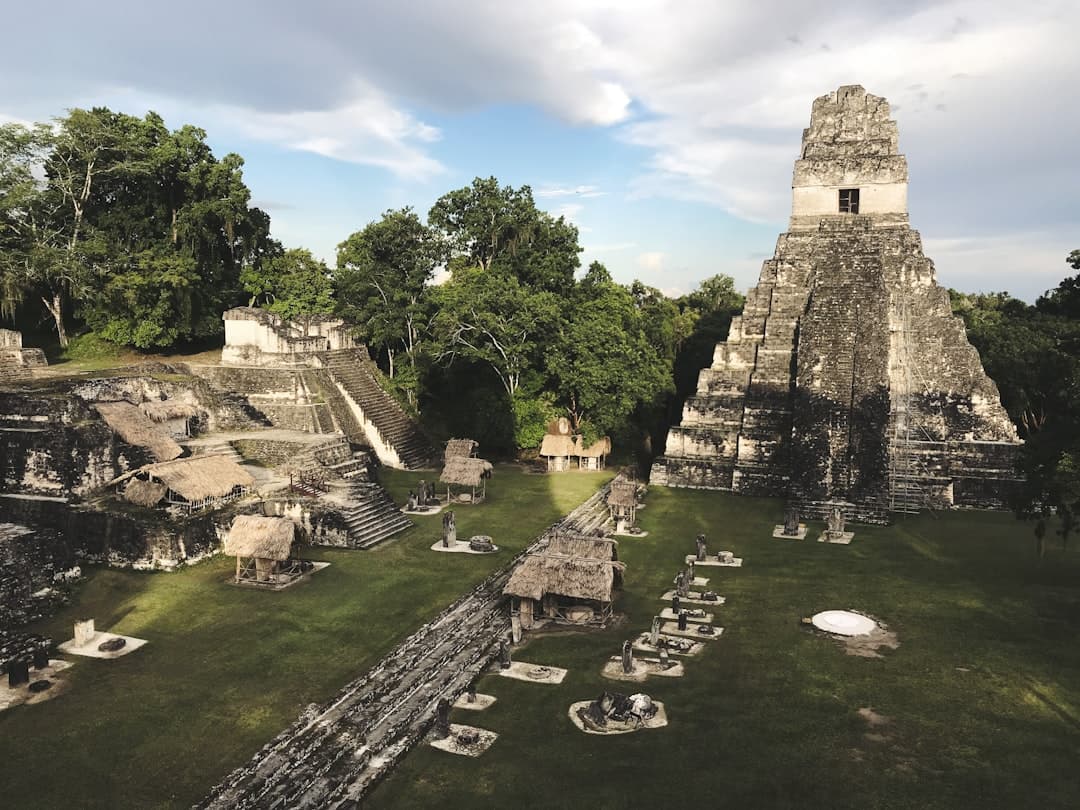
The United Nations Educational, Scientific and Cultural Organization (UNESCO) has recognized several elements of Guatemalan Maya culture on its Intangible Cultural Heritage lists, lending international visibility to preservation efforts. The ancient city of Tikal, located in the Petén department, holds UNESCO World Heritage Site status and draws scholars and visitors from across the globe.
Community-Led Conservation
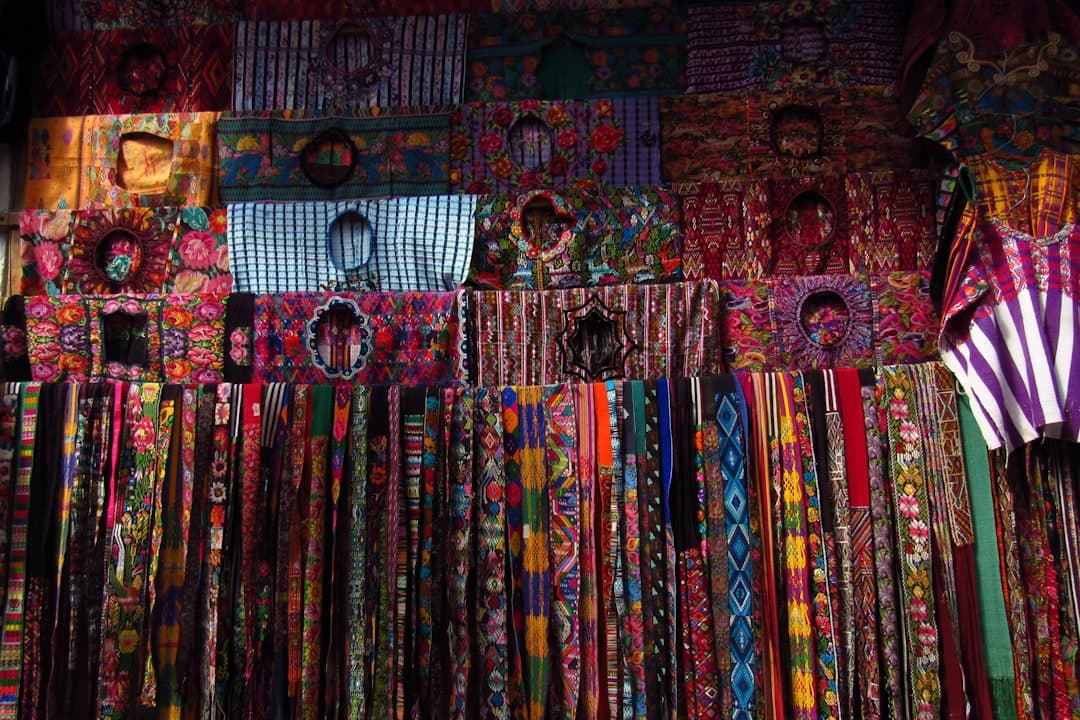
Beyond formal institutions, Maya communities themselves play a central role in cultural continuity. Traditional textile weaving, particularly the huipil — a hand-woven blouse worn by women — remains both a living art form and a marker of community identity. Weaving cooperatives in departments such as Sololá and Chimaltenango have worked to document regional patterns and pass techniques across generations.
Ceremonial practices led by Maya spiritual guides, known as ajq'ijab', continue to be observed in many communities, particularly around dates determined by the 260-day Cholq'ij calendar. These practices have gained growing legal recognition within Guatemala's framework for indigenous rights.
Challenges to Continuity
Urbanization, migration, and economic pressures have placed stress on the transmission of traditional knowledge. Linguistic diversity faces particular vulnerability, with some Maya languages spoken by relatively small populations. Non-governmental organizations and academic institutions have responded by producing dictionaries, audio archives, and digital resources to document endangered varieties.
Open Questions
How effective are bilingual education policies in practice across rural departments? To what extent does cultural tourism benefit local Maya communities directly versus outside operators? What legal mechanisms best protect Maya intellectual and cultural property?
Sources: Academia de las Lenguas Mayas de Guatemala (almg.org.gt), UNESCO World Heritage Centre (whc.unesco.org), UNESCO Intangible Cultural Heritage lists, Guatemalan Ministry of Education public records, Survival International documentation on Maya communities.
This article is based on a verified primary source. The text was editorially reviewed and fact-checked prior to publication.