Guatemala, Central America's most populous nation, hosts a range of destinations recognized by cultural and geographic institutions for their historical and natural significance. From highland lake towns to jungle-covered ruins, the country presents distinct regions with different draws for different types of travelers.
Antigua Guatemala
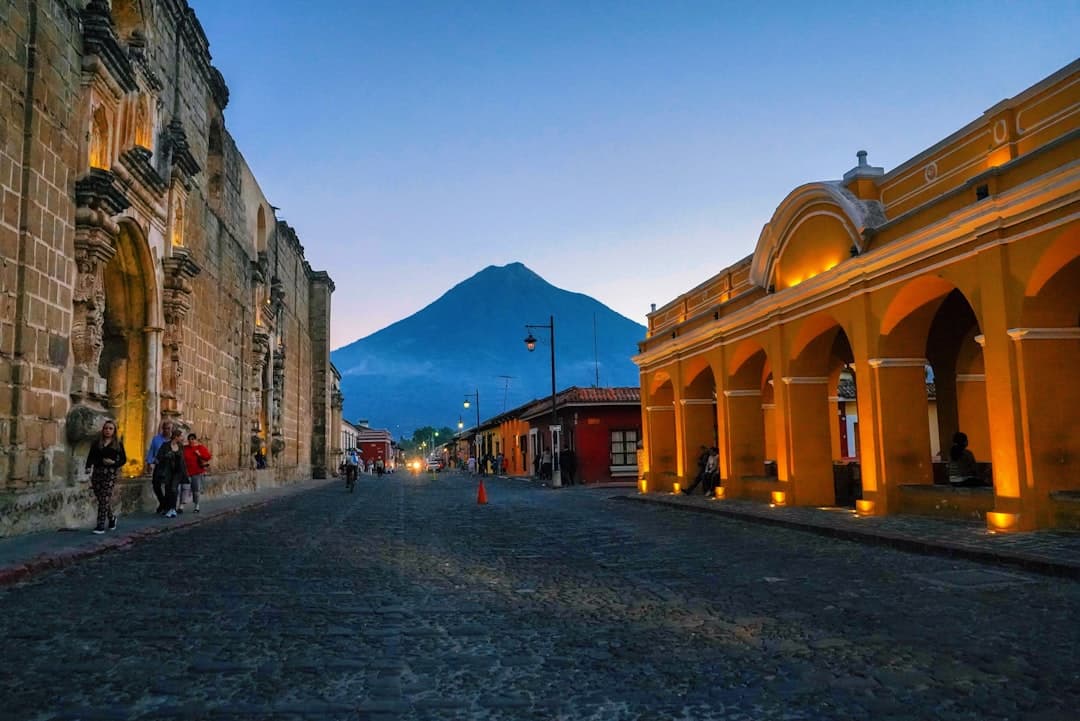
The former colonial capital, designated a UNESCO World Heritage Site, remains one of the most visited cities in Central America. Its cobblestone streets, baroque churches, and well-preserved Spanish colonial architecture attract heritage tourism year-round. The city sits in a valley surrounded by three volcanoes — Agua, Fuego, and Acatenango — the latter of which is a popular trekking destination accessible through licensed local guide operators.
Lake Atitlán
Situated in the western highlands, Lake Atitlán is frequently cited among the most scenic lakes in the Western Hemisphere. The lake is bordered by a series of indigenous Maya communities, each maintaining distinct Kaqchikel and Tz'utujil cultural traditions. Boat-based transit connects the lakeside villages, making the area navigable without road transport.
Tikal National Park
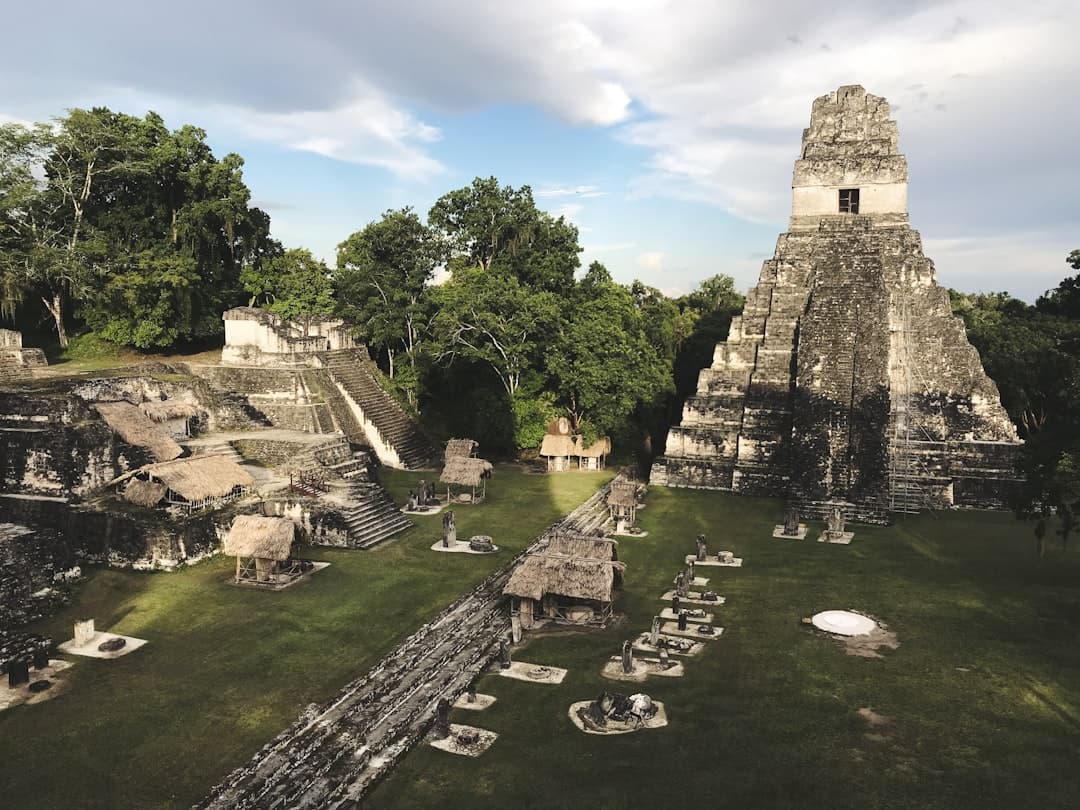
Located in the northern Petén department, Tikal is one of the largest known Maya archaeological sites and carries dual designation as both a UNESCO World Heritage Site and a protected national park. The site contains thousands of structures, with several major temples rising above the jungle canopy. Tikal is accessible by road and air from Guatemala City and the regional hub of Flores.
Semuc Champey
In the Alta Verapaz region, Semuc Champey is a natural limestone bridge over the Cahabón River, topped by a series of turquoise stepped pools. The site sits within a remote canyon and is reached via unpaved roads, contributing to its reputation as an off-the-beaten-path destination despite growing visitor numbers in recent years.
Chichicastenango
The highland town of Chichicastenango hosts one of the largest indigenous markets in Central America, held on Thursdays and Sundays. The market draws traders and buyers from across the Maya highlands and is recognized for traditional textiles, ceramics, and ceremonial goods rooted in K'iche' Maya culture.
Open Questions
Infrastructure limitations in remote areas such as Petén and Alta Verapaz raise ongoing questions about sustainable tourism capacity and the distribution of economic benefits among local communities.
Sources: UNESCO World Heritage List, Guatemala's Instituto Guatemalteco de Turismo (INGUAT), Lonely Planet Guatemala destination guides, National Geographic travel coverage.
This article is based on a verified primary source. The text was editorially reviewed and fact-checked prior to publication.