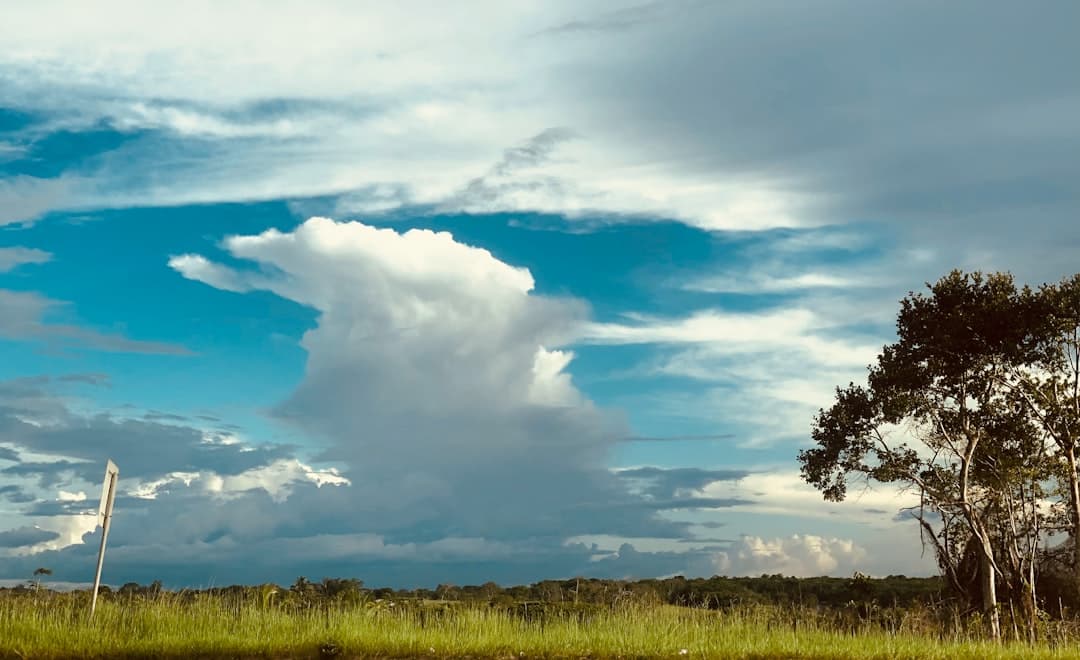
Nestled on the northeastern coast of South America, Guyana harbors a cultural wealth that predates European colonization by millennia. The country recognizes nine indigenous peoples — including the Arawak, Wapishana, Macushi, Patamona, Lokono, Akawaio, Wai Wai, Carib, and Warrau — each maintaining distinct languages, artistic traditions, and cosmological frameworks.
A Living Craft Tradition
Indigenous artisanship in Guyana encompasses basketry, pottery, wood carving, and the weaving of hammocks and cassava strainers known as matapis. These objects carry both utilitarian and ceremonial significance. The Wapishana and Macushi peoples of the Rupununi Savannah, for instance, are widely recognized for intricate beadwork and the production of cassava-based goods that reflect deep agricultural knowledge passed through generations.
Craft markets in Georgetown and community-based cooperatives in the interior serve as primary distribution channels, connecting indigenous artisans with national and international buyers. Organizations such as the Amerindian Peoples Association have worked to support fair trade practices and cultural preservation within these networks.
Oral Tradition and Ceremonial Life
Beyond physical objects, indigenous heritage in Guyana is substantially preserved through oral tradition. Storytelling, song, and dance function as vehicles for transmitting ecological knowledge, ancestry, and spiritual belief. Ceremonies tied to agricultural cycles, healing practices, and rites of passage remain active in many interior communities.
The Parishara festival, celebrated by several groups, draws participants from across regions and serves as a visible expression of cultural continuity. Government bodies and non-governmental organizations have increasingly supported documentation efforts to archive endangered languages and performance traditions.
Cultural Recognition and Challenges
Guyana's constitution formally recognizes indigenous land rights, and the Amerindian Act provides a legal framework for community governance. Despite this, indigenous communities continue to navigate pressures from mining, logging, and land encroachment that affect both their territories and their cultural environments.
Museums such as the Walter Roth Museum of Anthropology in Georgetown house collections of indigenous artifacts, offering public access to material culture that spans centuries of Guyanese history.
Open Questions
How effectively are current legal protections being enforced in interior regions? What role can cultural tourism play in supporting indigenous economies without commodifying sacred traditions?
Sources: Amerindian Peoples Association (Guyana), Walter Roth Museum of Anthropology, Guyana Amerindian Act (2006), UNESCO intangible cultural heritage documentation, Caribbean Community (CARICOM) cultural records.
This article is based on a verified primary source. The text was editorially reviewed and fact-checked prior to publication.