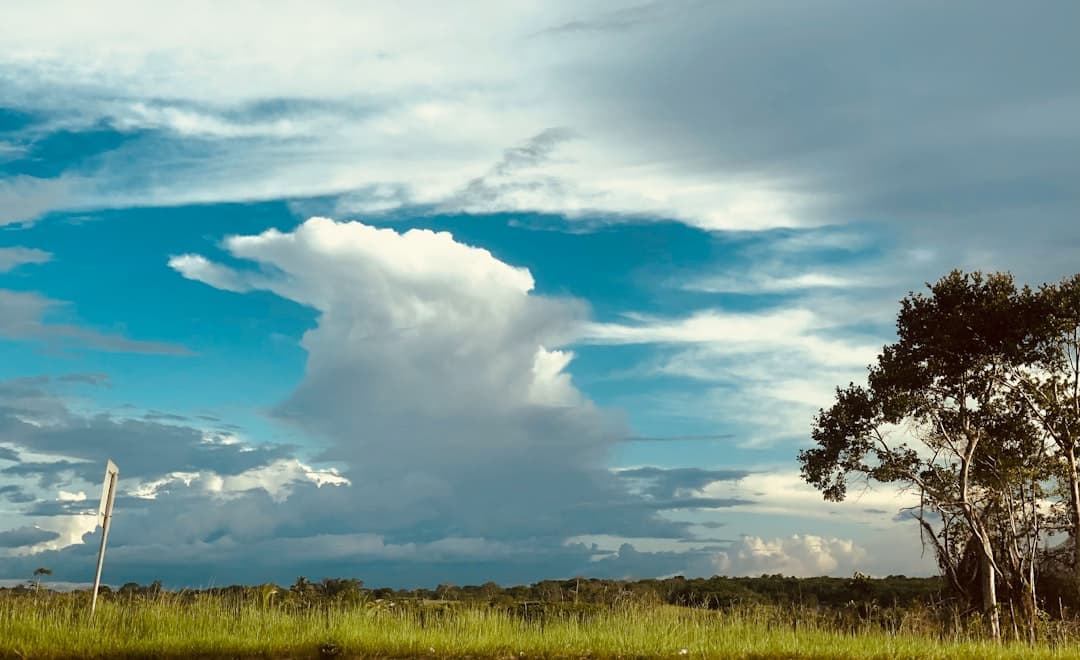
Guyana, a small English-speaking nation on South America's northern Atlantic coast, holds one of the highest percentages of intact forest cover of any country on the continent. The Guiana Shield — an ancient geological formation spanning parts of Guyana, Venezuela, Suriname, and Brazil — forms the ecological backbone of the country's interior and supports extraordinary biodiversity.
A Rainforest Largely Intact
Unlike many of its neighbors, Guyana has experienced comparatively low rates of large-scale deforestation. The country's low population density and historically limited road infrastructure have kept vast stretches of primary rainforest accessible only by small aircraft or river travel. This relative isolation has preserved ecosystems that in other parts of the Amazon basin have been significantly altered.
The Iwokrama Forest, a protected reserve of roughly one million acres in central Guyana, operates as both a conservation zone and a managed research site. It is administered through a partnership between the Guyanese government and an international charitable organization, and it offers guided canopy walks, river expeditions, and wildlife observation programs.
Indigenous Communities and Cultural Tourism
Several indigenous Amerindian communities, including the Makushi and Wapishana peoples of the Rupununi savanna region, have developed community-based tourism initiatives. These programs allow visitors to engage directly with traditional knowledge systems, local ecology, and cultural practices under frameworks designed to keep economic benefits within the communities themselves.
Kaieteur Falls and Aerial Wilderness
Kaieteur Falls, located within Kaieteur National Park, is recognized as one of the world's most powerful waterfalls by volume. Access remains deliberately limited, with most visitors arriving by chartered light aircraft from the capital, Georgetown. The surrounding park protects cloud forest and tepui ecosystems home to species found nowhere else on Earth, including the endemic Guiana cock-of-the-rock bird.
Guyana's eco-tourism sector continues to expand infrastructure cautiously, balancing conservation mandates with growing international interest in low-impact wilderness travel.
Open Questions
How Guyana's expanding oil revenues will affect land-use policy and conservation commitments in the interior remains an area of active debate among environmental researchers and policymakers.
Sources: Iwokrama International Centre for Rain Forest Conservation and Development (iwokrama.org); Guyana Tourism Authority (guyanatourism.com); Kaieteur National Park, Guyana Protected Areas Commission; Conservation International Guiana Shield Programme.
This article is based on a verified primary source. The text was editorially reviewed and fact-checked prior to publication.