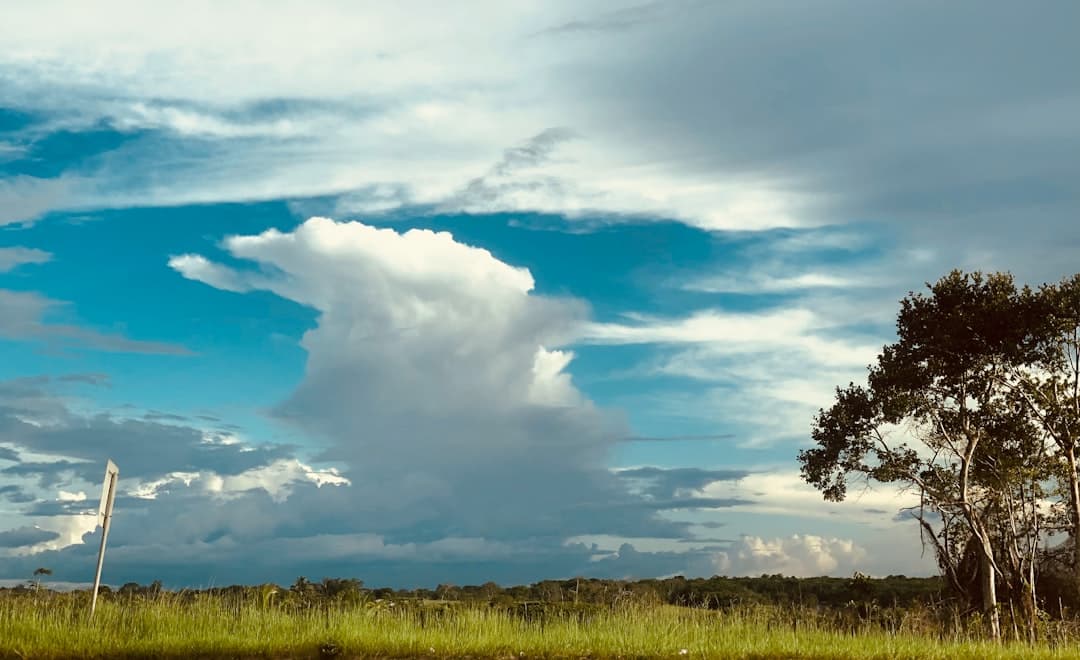
Nestled on the northeastern shoulder of South America, Guyana sits at the intersection of the Amazon basin and the Guiana Highlands, a geological formation among the oldest on Earth. The country's interior is dominated by dense tropical rainforest, navigable rivers, and dramatic escarpments that give rise to some of the continent's most striking waterfalls.
Kaieteur Falls: A Natural Landmark of Global Scale
Kaieteur Falls, located within Kaieteur National Park on the Potaro River, is widely recognized as one of the world's most powerful waterfalls by volume of water per unit width. The falls plunge over a sandstone plateau in a single unbroken drop, a geological feature that sets it apart from more famous cascades such as Niagara or Iguazú. Access is limited primarily to small charter flights from the capital, Georgetown, which has helped the site retain its remote character.
Wildlife Diversity Across Protected Territories
Guyana maintains one of the highest percentages of intact forest cover in South America. The country's protected areas shelter jaguars, giant river otters, harpy eagles, and black caimans, alongside hundreds of bird species that attract ornithologists and wildlife photographers from across the globe. The Iwokrama Forest Reserve, a research and conservation zone in the country's interior, operates cooperative programs with indigenous Makushi communities to manage ecotourism sustainably.
Infrastructure and Access
Tourism infrastructure in Guyana remains limited compared to neighboring countries, a factor that simultaneously preserves ecological integrity and restricts visitor numbers. Lodges within the interior, including those operated near the Rupununi savanna, offer guided river and forest excursions. Georgetown serves as the primary entry point, with international connections through regional carriers.
Guyana's government has positioned conservation as a central element of its national economic strategy, including carbon credit agreements that fund forest protection. This policy framework has drawn international recognition and reinforced the country's profile as a destination where ecological tourism and environmental stewardship operate in parallel.
Open Questions
How will expanded air access affect visitor volume and conservation outcomes? What role will indigenous land rights play in shaping the country's long-term ecotourism model?
Sources: Guyana Tourism Authority, Kaieteur National Park documentation, Iwokrama International Centre for Rain Forest Conservation and Development, Conservation International country profiles.
This article is based on a verified primary source. The text was editorially reviewed and fact-checked prior to publication.