Honduras, the second-largest country in Central America, contains a striking variety of ecosystems and cultural heritage sites within its borders. Travelers arriving from across Latin America and beyond have increasingly recognized the country's potential as a multi-experience destination.
Bay Islands: A Caribbean Diving Hub
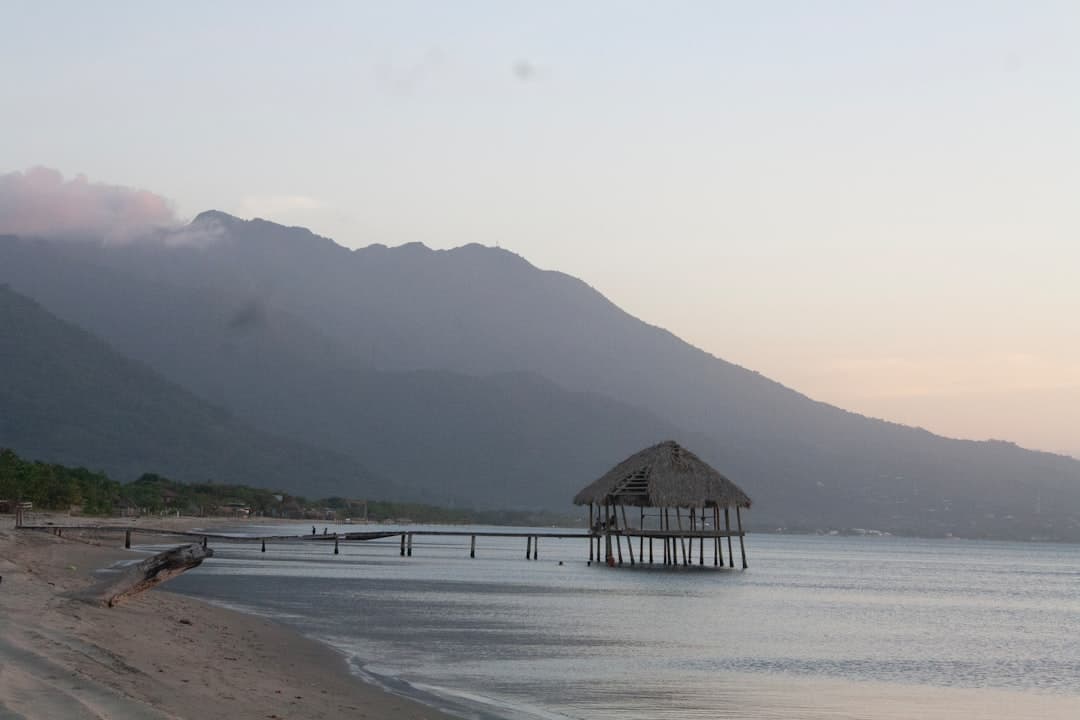
The Bay Islands — Roatán, Utila, and Guanaja — sit along the Mesoamerican Barrier Reef, the second-largest coral reef system in the world. Roatán functions as the most developed of the three islands, with established dive operations, beach resorts, and marine life encounters including whale sharks. Utila attracts budget-conscious divers and is widely recognized as one of the more accessible locations globally for open-water certification courses.
Copán Ruinas: Maya Archaeological Heritage
The ancient city of Copán, located near the Guatemalan border in western Honduras, holds UNESCO World Heritage Site status. The site is particularly noted for its intricately carved stelae and hieroglyphic stairway, considered one of the longest known Maya inscriptions. The adjacent town of Copán Ruinas serves as a base for visitors exploring the ruins and surrounding rural communities.
Pico Bonito and La Ceiba: Ecological Corridors
Pico Bonito National Park, near the northern coastal city of La Ceiba, covers a substantial area of tropical rainforest and is home to documented populations of jaguars, tapirs, and hundreds of bird species. La Ceiba itself serves as a departure point for the Bay Islands ferry and hosts an internationally recognized carnival each year.
Gracias and the Celaque Range
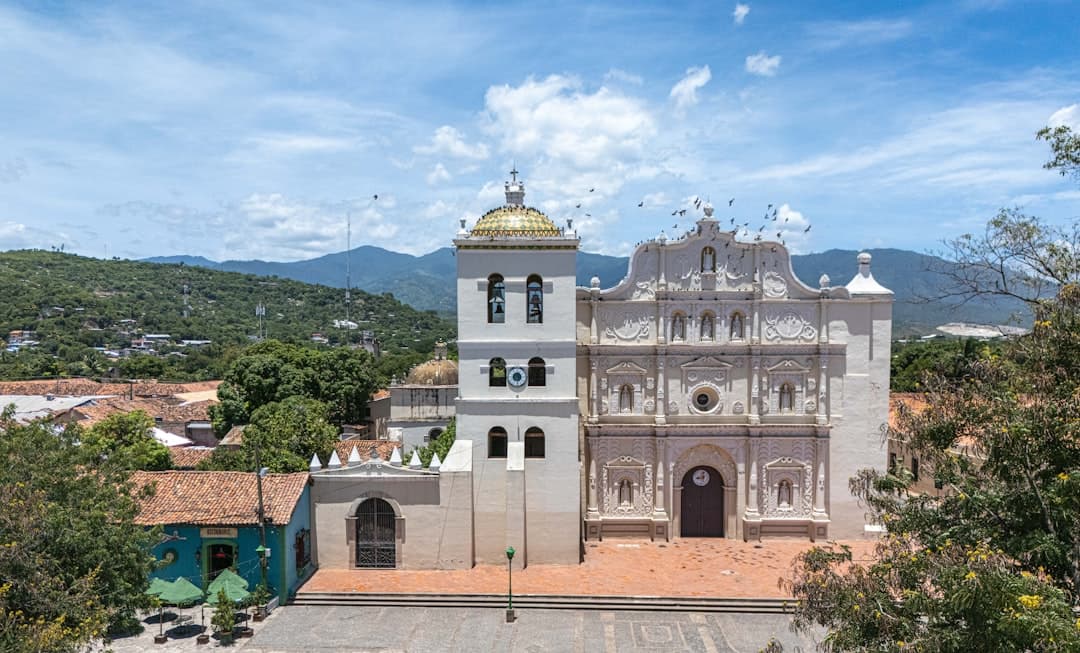
In western Honduras, the colonial town of Gracias provides access to Celaque National Park, which contains the highest peak in the country. The cloud forests within the park shelter the resplendent quetzal and several other species of conservation concern.
Honduras maintains land border crossings with Guatemala, El Salvador, and Nicaragua, making it accessible for overland travelers moving through the Central American corridor.
Open Questions
Infrastructure development across secondary destinations remains uneven. Ongoing assessments of road conditions, ferry schedules, and park entry requirements are advisable before travel.
Sources: UNESCO World Heritage Centre, Mesoamerican Reef Fund, Honduras Institute of Tourism (IHT), IUCN Species Assessments
This article is based on a verified primary source. The text was editorially reviewed and fact-checked prior to publication.