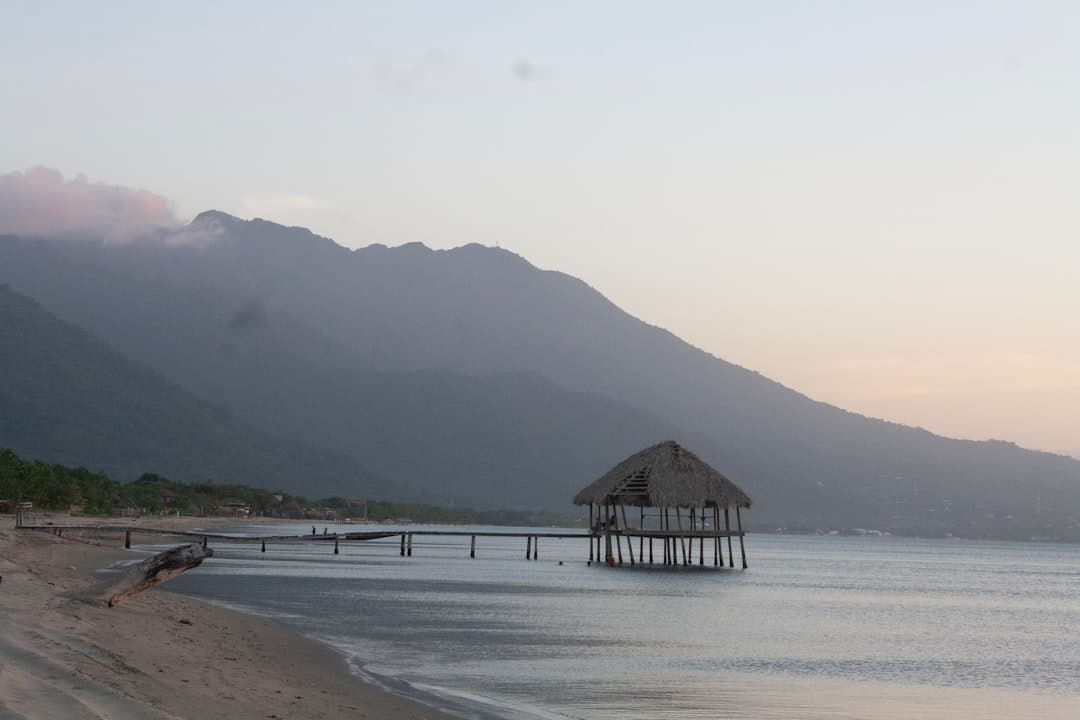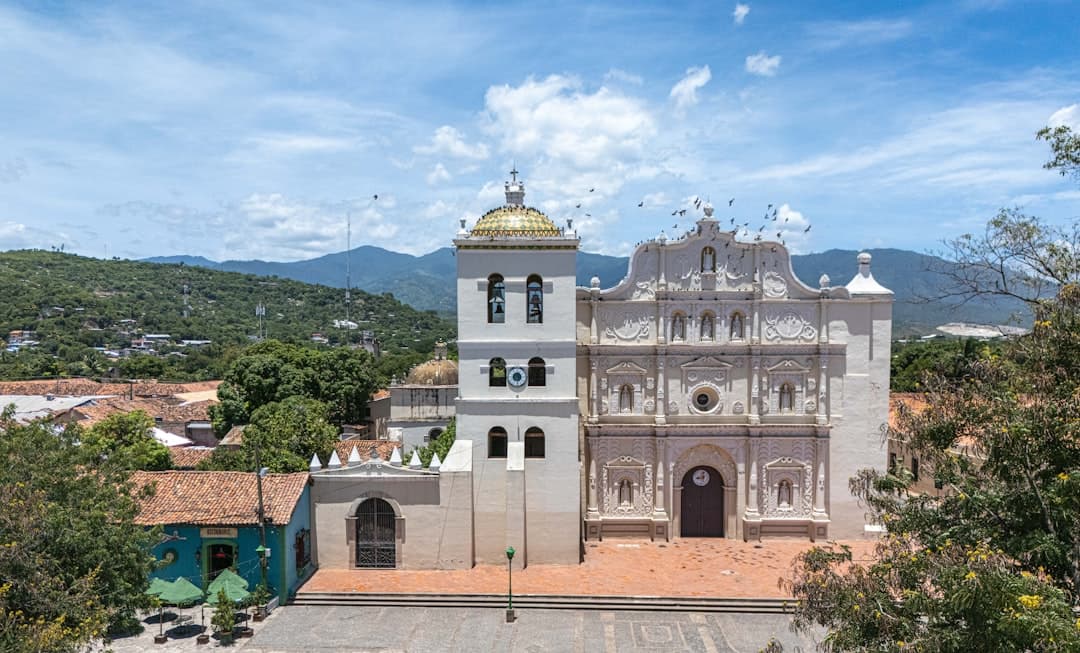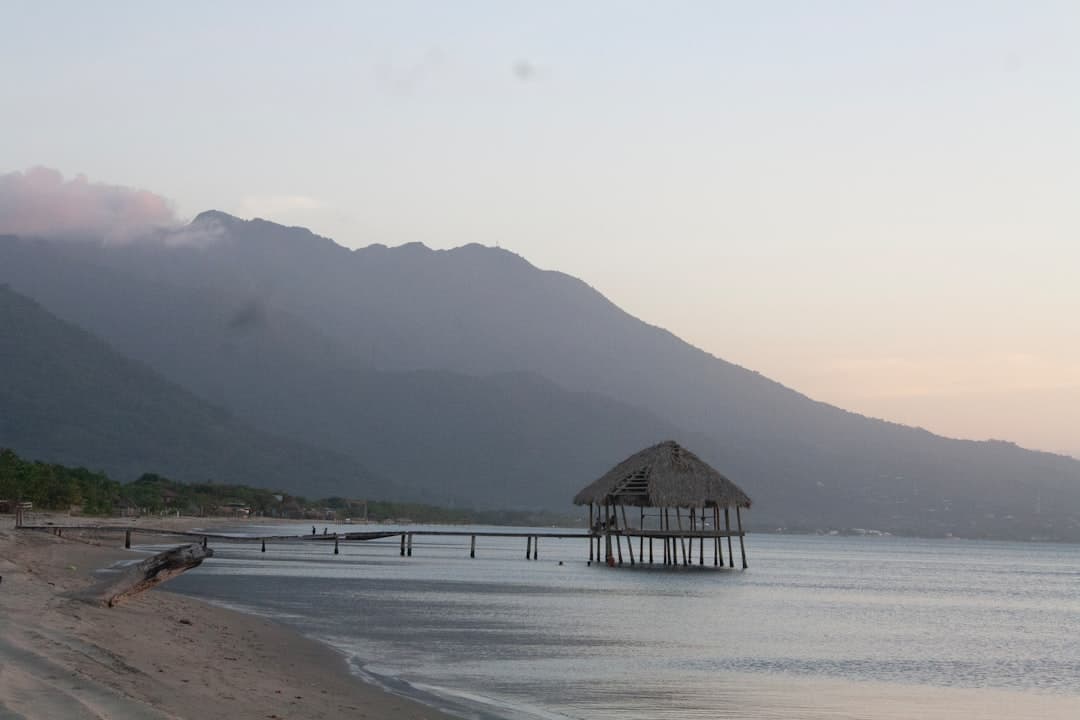
Honduras occupies a stretch of Central America that includes Caribbean and Pacific coastlines, highland cloud forests, and lowland river systems, offering a range of environments within a compact geographic area. This diversity has attracted travelers focused on outdoor activities, ecological tourism, and archaeological exploration.
Marine and Coastal Attractions
The Bay Islands — Roatán, Utila, and Guanaja — sit along the Mesoamerican Barrier Reef, the second-largest coral reef system in the world. The reef supports a wide range of marine life and has established the islands as recognized destinations for scuba diving and snorkeling. Utila, in particular, has developed a reputation among budget-conscious divers for accessible certification courses and whale shark sightings during seasonal migrations.
Inland Ecosystems and Trekking
The interior of Honduras contains protected areas including Pico Bonito National Park and the Río Plátano Biosphere Reserve, the latter designated a UNESCO World Heritage Site. These zones provide habitat for jaguars, tapirs, and several hundred bird species, attracting wildlife observers and hikers. The cloud forests surrounding the mountain town of La Tigra offer trail access near the capital, Tegucigalpa.
Archaeological Heritage
The ruins of Copán, a major center of Classic Maya civilization, represent one of the most extensively studied archaeological sites in the Western Hemisphere. The site is recognized for its sculptural complexity, including elaborately carved stelae and a hieroglyphic stairway containing one of the longest known Maya inscriptions. Copán holds UNESCO World Heritage status and draws visitors with interests in Mesoamerican history and anthropology.
Infrastructure and Access
International airports in San Pedro Sula and Tegucigalpa provide connections to major hubs across North and South America. Tourism infrastructure in coastal zones has expanded in recent years, though development levels vary significantly between regions. Travelers typically note that Honduras remains less commercially developed than neighboring Costa Rica, which contributes to lower average costs for accommodation and services.
This article is based on a verified primary source. The text was editorially reviewed and fact-checked prior to publication.