Honduras stretches across a territory that encompasses Caribbean shores to the north, a narrow Pacific coast to the south, and a mountainous interior blanketed by cloud forests and tropical ecosystems. Much of this landscape falls within a network of protected areas administered by the Instituto de Conservación Forestal (ICF), the national body responsible for managing the country's parks and reserves.
Caribbean Coast and the Bay Islands
The northern coast along the Caribbean Sea includes stretches of beach that remain significantly less developed than comparable destinations in Mexico or Costa Rica. The Bay Islands — Roatán, Utila, and Guanaja — sit above the Mesoamerican Barrier Reef, the second-largest coral reef system in the world. These waters draw divers and snorkelers to habitats that include whale sharks, sea turtles, and extensive coral formations. Utila, in particular, has established a reputation as one of the more accessible locations in the Caribbean for open-water dive certification.
Protected Areas and Cloud Forests
On the mainland, Pico Bonito National Park near the city of La Ceiba protects a biologically diverse region of lowland rainforest and highland cloud forest. The park serves as habitat for jaguars, tapirs, and hundreds of bird species, including several endemic to the region. Cusuco National Park, located near San Pedro Sula, is similarly recognized for high levels of biodiversity, particularly among amphibians.
Mosquitia and Remote Wetlands
The La Mosquitia region in eastern Honduras represents one of the largest remaining wilderness areas in Central America. The region encompasses the Río Plátano Biosphere Reserve, a UNESCO World Heritage Site, which protects tropical forests, wetlands, and lagoons home to communities that have inhabited the area for generations. Access remains logistically demanding, which has kept visitor numbers low relative to the region's ecological significance.
Pacific Shore
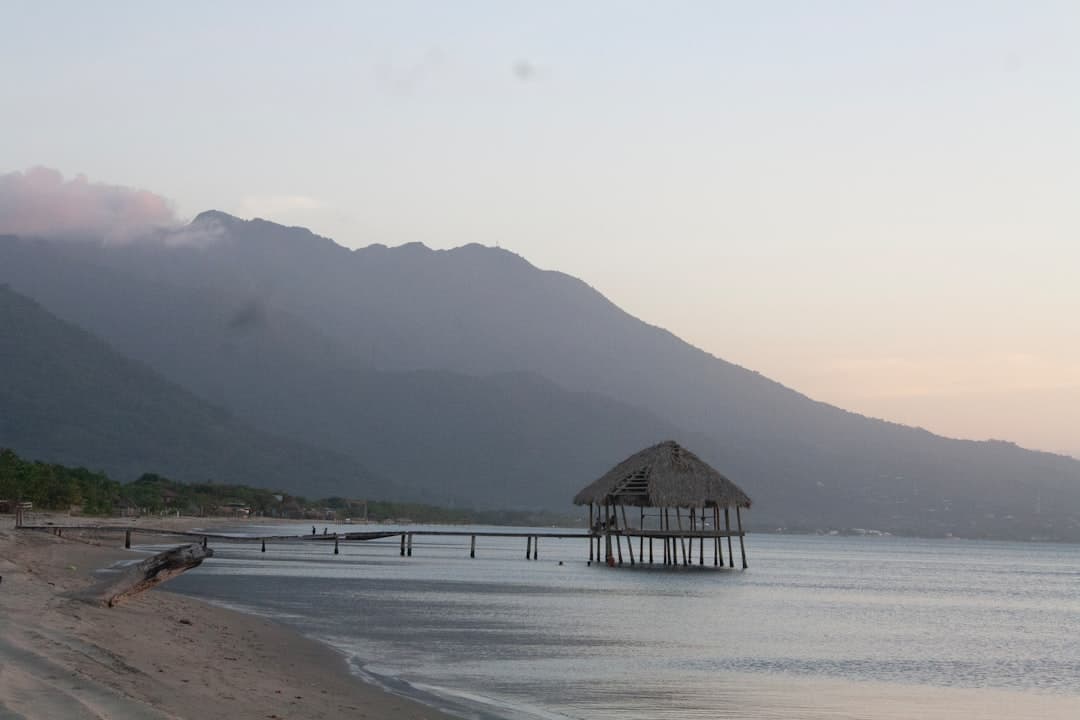
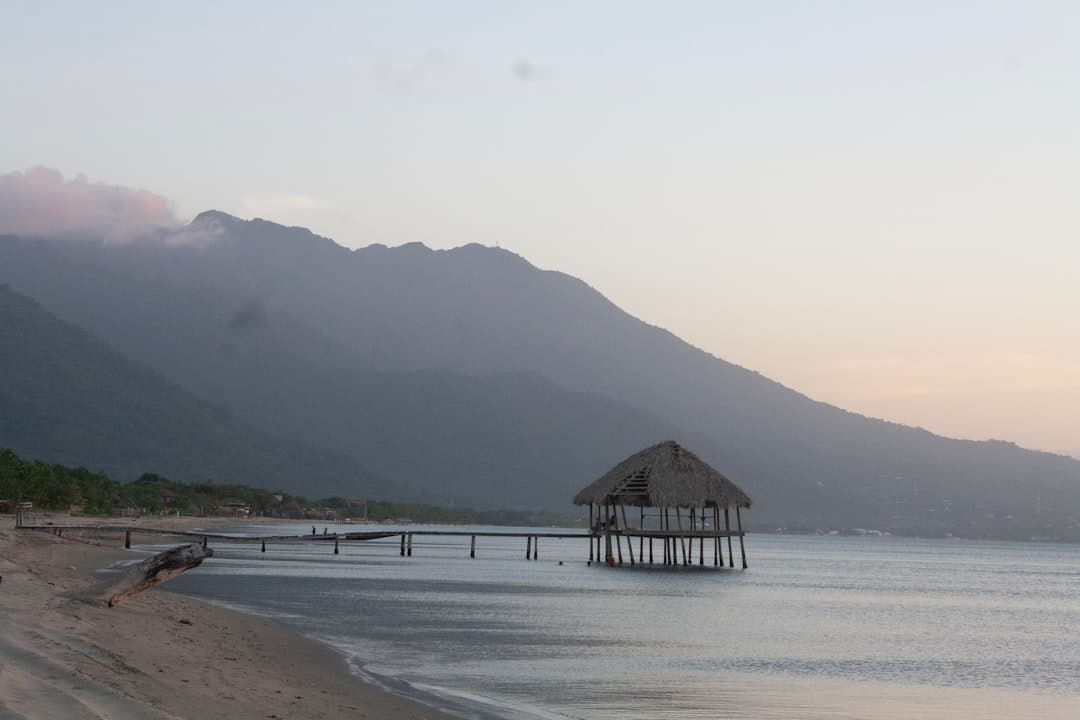
Along the Gulf of Fonseca on the Pacific side, smaller coastal towns offer beaches that see a fraction of the traffic found on Honduras's Caribbean side, providing a quieter coastal experience within reach of the capital, Tegucigalpa.
Open Questions
How infrastructure investment will affect the long-term ecological integrity of sensitive areas such as La Mosquitia remains an open concern among conservation organizations. The balance between expanding tourism access and maintaining protected-area status continues to be a subject of policy discussion within the Honduran government.
Sources: Instituto de Conservación Forestal (ICF), UNESCO World Heritage List, Mesoamerican Reef Fund, Honduras Institute of Tourism (IHT)
This article is based on a verified primary source. The text was editorially reviewed and fact-checked prior to publication.