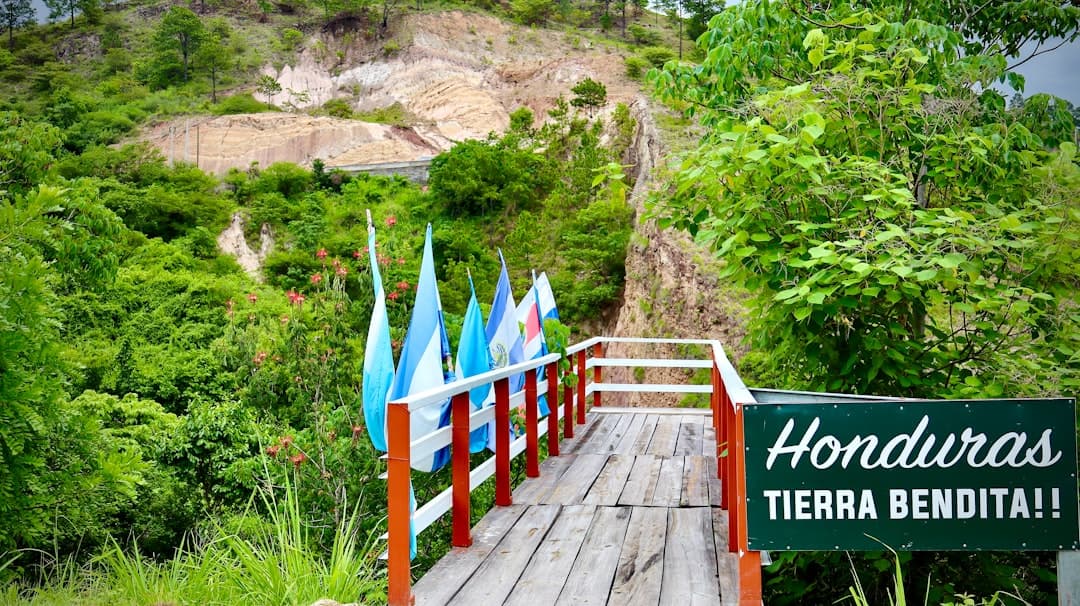
Honduras occupies a central geographic position in Central America, sharing borders with Guatemala, El Salvador, and Nicaragua, and offering access to both the Pacific Ocean and the Caribbean Sea. This positioning has long made the country a natural corridor for trade and logistics across the region.
Trade Infrastructure and Special Economic Zones
A key element of Honduras's business environment is its system of Special Economic Zones, known locally as ZIPs (Zonas Industriales de Procesamiento) and ZOLIs (Zonas Libres). These zones offer businesses reduced tariffs, streamlined customs procedures, and incentives designed to encourage manufacturing and export activity. The textile and apparel sector has historically been the primary beneficiary, though authorities have moved to diversify the industries operating within these frameworks.
The country is also a signatory to the Dominican Republic–Central America Free Trade Agreement (CAFTA-DR), which facilitates preferential access to the United States market. This trade agreement remains one of the most significant drivers of foreign direct investment in the Honduran economy.
Infrastructure and Connectivity
Ongoing public and private investment in port infrastructure, particularly at Puerto Cortés on the Caribbean coast — one of the largest and most active ports in Central America — has reinforced Honduras's capacity to handle growing volumes of cargo. Road and logistics network improvements have also been pursued as part of broader development plans.
Challenges Remaining
Despite these developments, Honduras continues to face structural challenges that affect the business climate, including concerns around institutional transparency, security, and regulatory consistency. International organizations and trade partners have flagged these areas as requiring sustained attention for the country to fully realize its investment potential.
Taken together, Honduras presents a mixed but evolving landscape — one where geographic advantages and trade frameworks are balanced against the need for deeper institutional reform.
Open Questions
How will ongoing political developments in Honduras affect investor confidence in the medium term? Can diversification efforts in the special economic zones reduce the country's dependence on a single export sector?
Sources: World Bank, CAFTA-DR official documentation, Puerto Cortés port authority public records, UNCTAD investment reports, Inter-American Development Bank regional analyses.
This article is based on a verified primary source. The text was editorially reviewed and fact-checked prior to publication.


