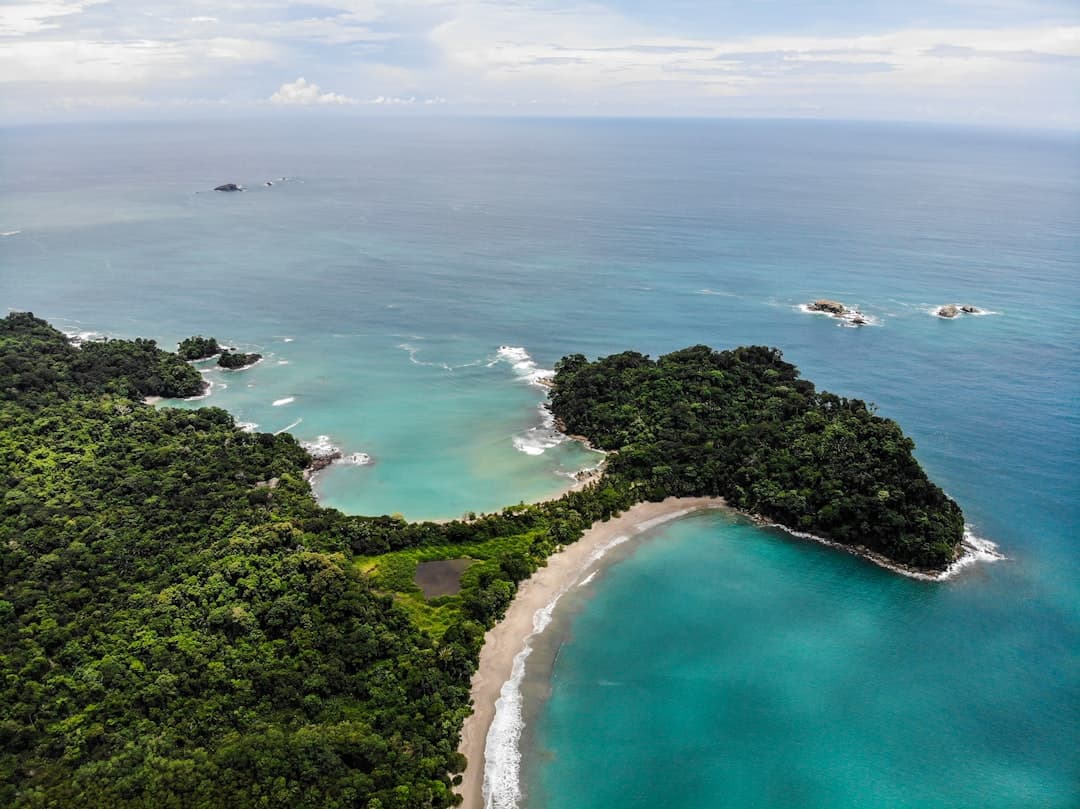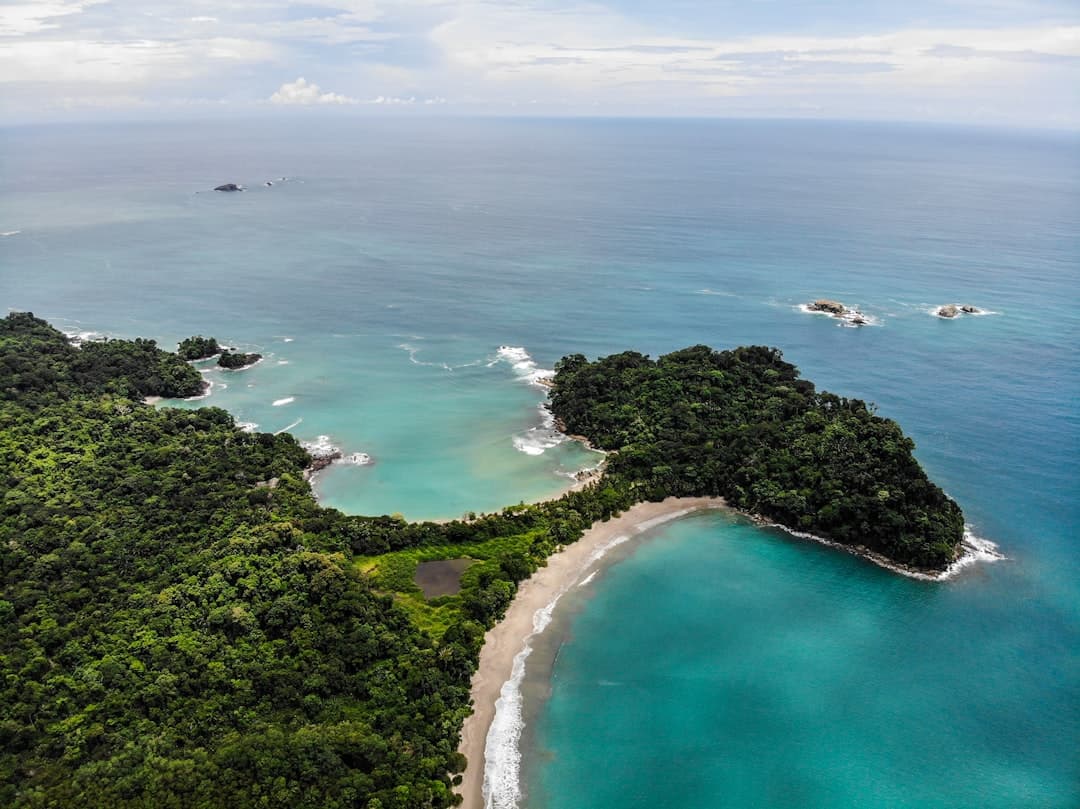
Despite covering less than 0.03 percent of Earth's surface, Costa Rica contains an estimated five percent of the world's biodiversity, according to the Costa Rican Ministry of Environment and Energy (MINAE). Much of this biological wealth is concentrated within the country's network of rainforests, which span both the Caribbean and Pacific slopes of the Central American nation.
Corcovado National Park
Located on the Osa Peninsula in the country's southwest, Corcovado National Park is widely regarded by conservation scientists as one of the most biologically intense rainforest ecosystems on the planet. The park shelters populations of jaguars, tapirs, harpy eagles, and scarlet macaws, alongside a dense canopy of old-growth tropical trees. Access is restricted and requires permits coordinated through MINAE, a policy designed to limit ecological impact.
Monteverde Cloud Forest Reserve
Situated in the Tilarán Mountain Range, the Monteverde Cloud Forest Reserve occupies a transitional zone where moisture-laden Pacific and Caribbean air masses converge. This climatic condition sustains a permanent mist that supports extraordinary concentrations of orchids, bromeliads, and mosses. The resplendent quetzal, a species closely associated with pre-Columbian Mesoamerican cultures, breeds within Monteverde's upper forest zones.
Tortuguero National Park
Along the northeastern Caribbean coastline, Tortuguero National Park protects one of the most significant sea turtle nesting sites in the Atlantic Basin. The park's interior rainforest is accessible only by boat or small aircraft, preserving its ecosystem from heavy visitation. River channels threading through the forest provide habitat for river otters, caimans, manatees, and hundreds of bird species.
Conservation Framework
Costa Rica reversed significant deforestation trends that peaked in the mid-twentieth century through a combination of payment-for-ecosystem-services programs and expanded protected area designations. Forest cover, which had declined sharply by the 1980s, has recovered substantially in subsequent decades. The country's protected areas now encompass roughly a quarter of its national territory.
Open Questions
Scientists continue to assess how climate shifts are altering precipitation patterns in cloud forest zones such as Monteverde, and whether current conservation frameworks are sufficient to maintain biodiversity corridors between fragmented forest patches.
Sources: Costa Rican Ministry of Environment and Energy (MINAE), National Biodiversity Institute of Costa Rica (INBio), IUCN Protected Areas Database, Smithsonian Tropical Research Institute
This article is based on a verified primary source. The text was editorially reviewed and fact-checked prior to publication.