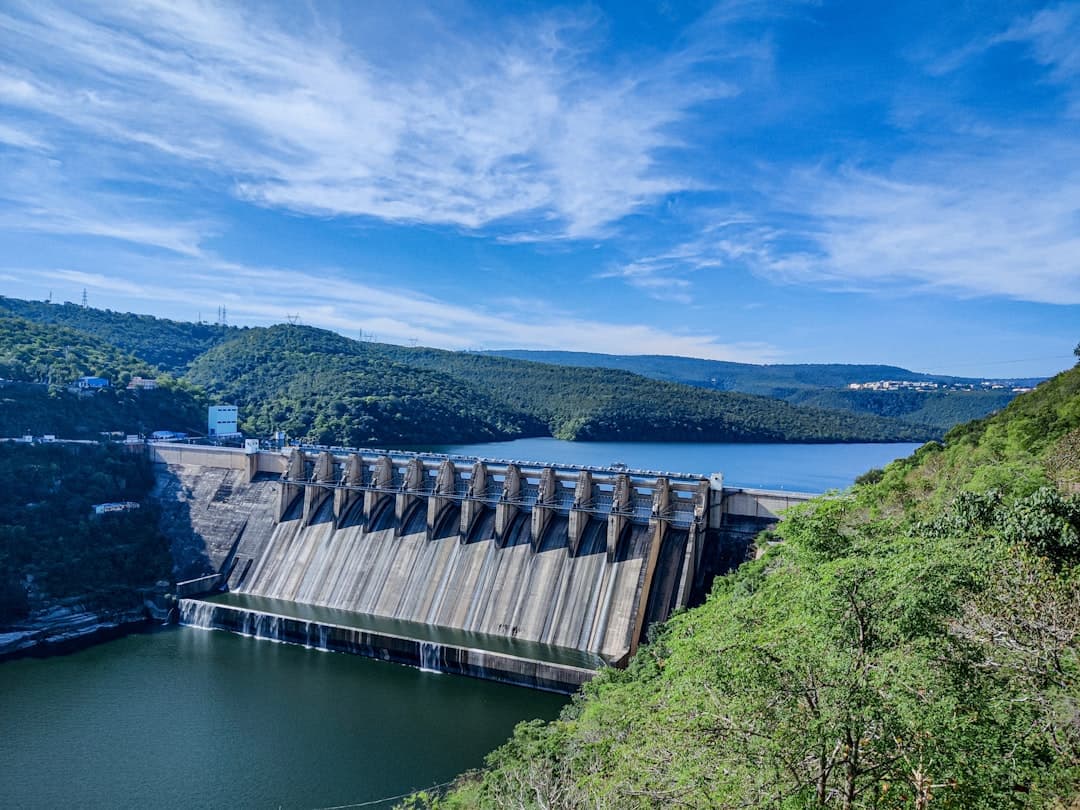
Straddling the Paraná River on the border between Brazil and Paraguay, the Itaipu Dam stands as one of the most ambitious engineering projects ever undertaken in South America. Beyond its role as a major source of electricity for both countries, the facility has developed into a prominent tourism destination, drawing visitors from across the continent and around the world.
A Jointly Managed Attraction
Itaipu is administered under a binational treaty signed in 1973, and its tourism operations reflect that dual identity. Visitors can access the site from either the Brazilian city of Foz do Iguaçu or the Paraguayan city of Ciudad del Este, with separate visitor centers operating on each side of the border. Both offer guided tours of the dam's infrastructure, including panoramic views of the spillways and turbine galleries.
What Visitors Can Expect
The dam's tourism programs are structured into multiple tiers. Standard panoramic tours allow visitors to observe the scale of the structure from designated viewing platforms, while specialized technical tours take guests deeper into the operational areas, including the machine rooms where the turbines generate electricity. The facility also maintains a museum and educational exhibits explaining the dam's construction history, its environmental impact, and its role in regional energy supply.
Environmental and Ecological Programming
Itaipu has invested in ecological preservation efforts around the reservoir, and these initiatives are integrated into the visitor experience. A biological refuge managed by the binational entity protects wildlife displaced during the dam's original construction. Guided ecological tours of this reserve are available and have become a notable complement to the industrial visit.
Regional Tourism Context
The dam sits within close proximity to Iguazú Falls, one of the most visited natural wonders in South America. The geographic concentration of attractions in the Foz do Iguaçu region makes the area a hub for international tourism, with many travelers combining both sites in a single itinerary. The presence of Itaipu adds a cultural and industrial dimension to what might otherwise be a nature-focused trip.
Remaining Questions
How do visitor numbers at Itaipu compare between the Brazilian and Paraguayan access points? What long-term infrastructure investments are planned to expand tourism capacity on both sides of the border?
Sources: Itaipu Binacional official website (itaipu.gov.br / itaipu.gov.py), UNESCO documentation on the Paraná River basin, Foz do Iguaçu municipal tourism authority.
This article was prepared using multiple verified sources and editorial research. The content was reviewed, fact-checked and approved by our editorial team prior to publication.