Nestled in the heart of the Caribbean, the Dominican Republic has cultivated a musical identity that extends well beyond its borders. The country is the birthplace of two genres now recognized globally: merengue and bachata, both of which have found audiences across Latin America, Europe, and North America.
Merengue: The National Rhythm
Merengue holds the status of the Dominican Republic's national music and dance. Characterized by its fast tempo, accordion melodies, and syncopated drum patterns, the genre developed significantly in the mid-20th century and became a vehicle for both popular celebration and political expression. UNESCO added merengue to its list of Intangible Cultural Heritage in 2016, acknowledging its deep roots in Dominican social life.
Bachata's Long Road to Recognition
Bachata followed a more complicated trajectory. Once dismissed by urban elites as rural and lowbrow, the guitar-driven genre gained mainstream acceptance from the 1990s onward. Artists from the Dominican diaspora in the United States helped carry bachata to international audiences, and the genre has since been infused with elements of R&B, pop, and electronic music. UNESCO similarly inscribed bachata as Intangible Cultural Heritage in 2019.
A Living and Evolving Scene
Beyond these two anchoring genres, the Dominican music scene encompasses a broad spectrum of sounds, including palo, salve, and gagá, each tied to specific Afro-Dominican cultural traditions. Urban music, including dembow — a Dominican-rooted genre that influenced the development of reggaeton — has also grown substantially in domestic and regional markets.
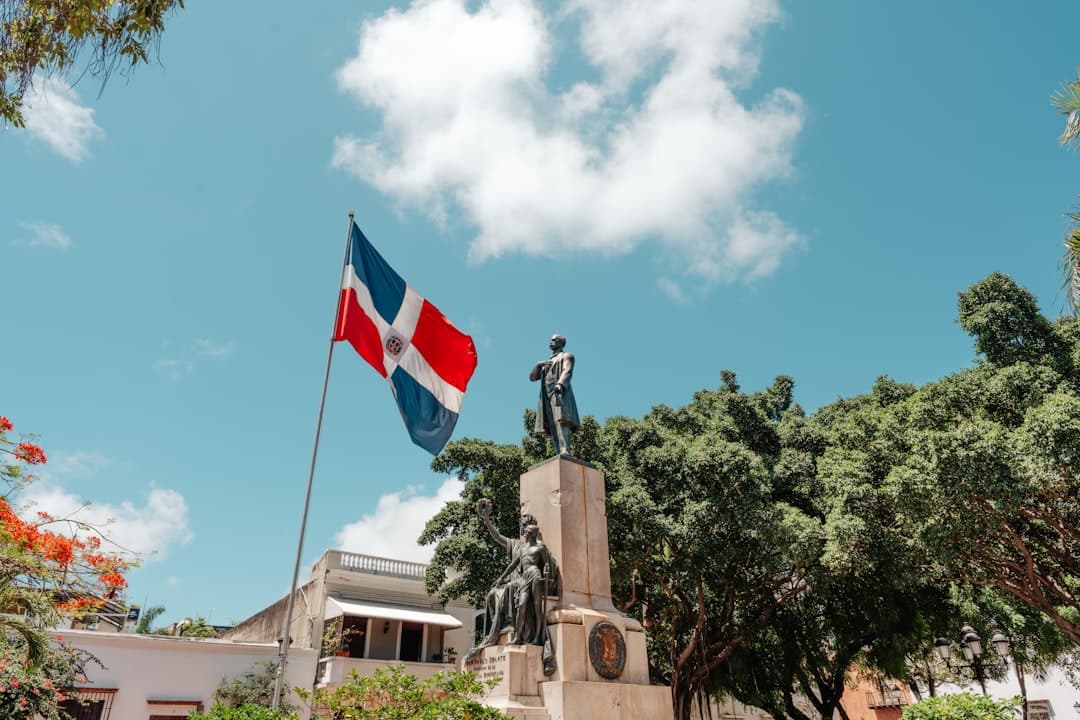
Santo Domingo functions as the country's primary music hub, hosting live venues, recording studios, and annual festivals that draw both local talent and international artists. The city's Zona Colonial neighborhood, a UNESCO World Heritage Site, frequently serves as a backdrop for cultural performances and music-oriented tourism.
Music education institutions and conservatories across the country work to preserve traditional forms while training new generations of musicians, ensuring that the Dominican Republic's sonic heritage remains active rather than archival.
Open Questions
How will the growing influence of streaming platforms reshape the economics of Dominican music production? Can smaller subgenres like gagá and palo secure broader cultural visibility alongside the internationally dominant merengue and bachata?
Sources: UNESCO Intangible Cultural Heritage Lists (2016, 2019); Smithsonian Folkways; Grove Music Online; Library of Congress American Folklife Center.
This article is based on a verified primary source. The text was editorially reviewed and fact-checked prior to publication.