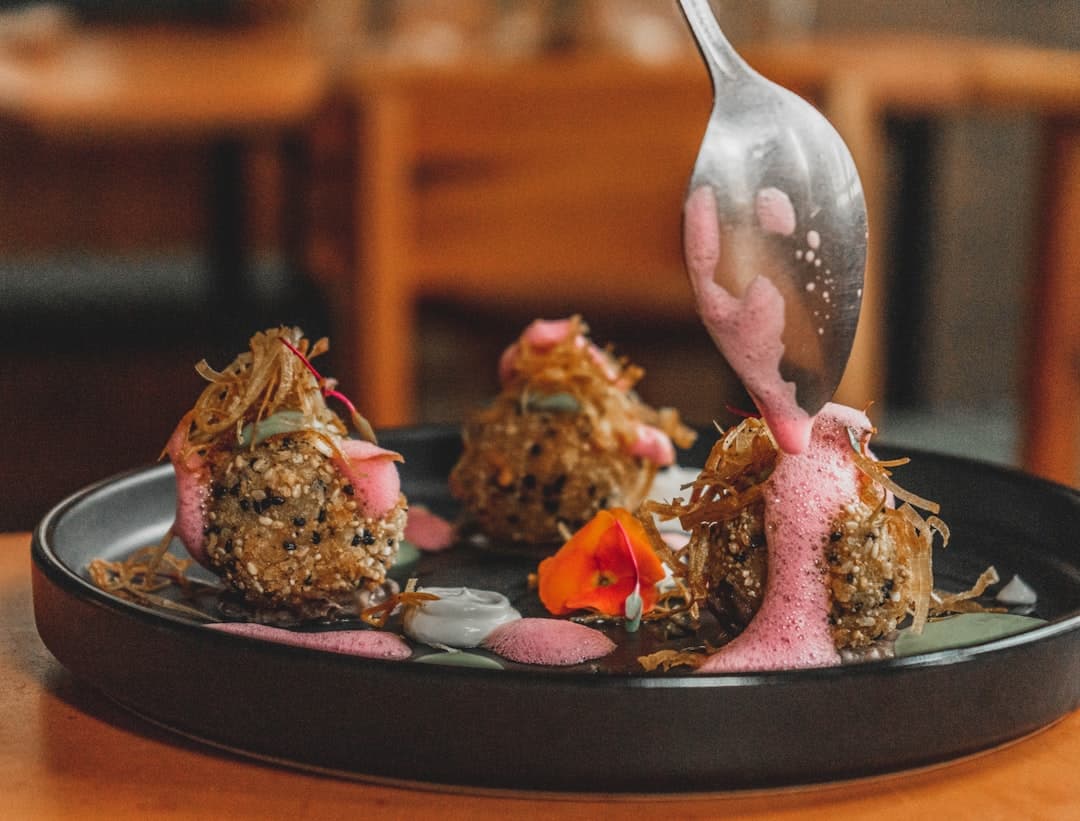
Mexico's culinary traditions, long celebrated across the Americas, have secured a prominent place in global cultural conversations, with international bodies and food institutions formally acknowledging the depth and diversity of the country's regional cooking.
A Cuisine Rooted in Geography and History
Mexican gastronomy is not a single, uniform tradition but rather a mosaic of regional expressions shaped by Indigenous heritage, Spanish colonial influence, and distinct local ecosystems. The cuisines of Oaxaca, Puebla, Veracruz, and the Yucatán Peninsula, among others, each maintain their own ingredients, techniques, and ceremonial significance.
UNESCO inscribed traditional Mexican cuisine on its Representative List of the Intangible Cultural Heritage of Humanity, a designation that recognized not only the food itself but the agricultural systems, ritual practices, and community knowledge embedded in its preparation. That recognition, granted over a decade ago, has had lasting effects on how governments, chefs, and cultural institutions treat regional food traditions within Mexico.
From Local Markets to International Platforms
Regional Mexican ingredients — including native corn varieties, chiles, cacao, and herbs such as epazote and hoja santa — have appeared with increasing frequency on international culinary stages and in fine dining establishments across Europe, Asia, and North America. Chefs from Guadalajara, Mexico City, and smaller regional centers have represented their traditions at prestigious food festivals and cultural expos worldwide.
The movement has also strengthened domestic efforts to preserve heirloom crops and traditional cooking methods that might otherwise be displaced by industrialized food production.
Implications for the Region
The rising global profile of Mexican cuisine carries economic and cultural implications beyond the country's borders. In South America, where culinary diplomacy has similarly been used to project national identity — most notably by Peru — Mexico's international standing offers a comparable model for how food heritage can function as a vehicle for cultural promotion and tourism development.
Culinary researchers and anthropologists continue to document regional traditions across Mexico, working to ensure that global recognition does not flatten the distinctions between the country's many food cultures.
Open Questions
How will increased international commercial interest affect the preservation of the most localized and fragile culinary traditions? Which Mexican regions remain underrepresented in global food discourse, and what institutional support exists to change that?
Sources: UNESCO Intangible Cultural Heritage Lists; Slow Food International; academic literature on Mexican gastronomy and food anthropology.
This article was compiled with the support of advanced research technology, based on multiple verified sources, and reviewed by our editorial team.