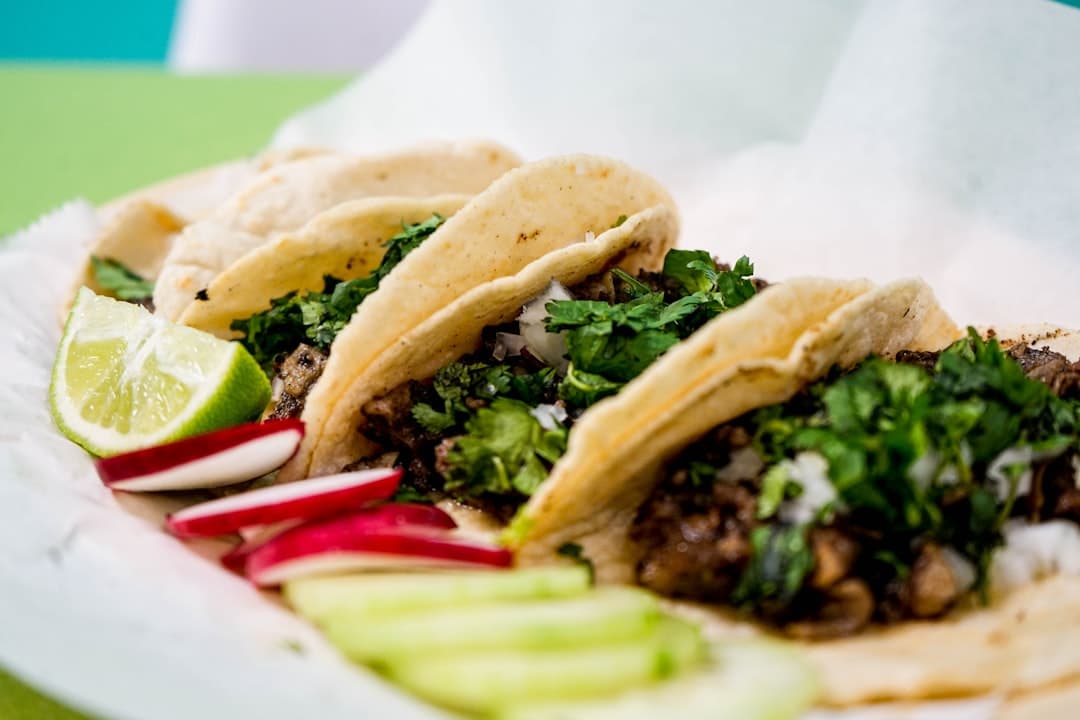
Mexico's street food tradition ranks among the most recognized culinary cultures in the world, drawing visitors from South America, Europe, Asia, and beyond to its urban markets, roadside fondas, and open-air plazas.
A Culinary Heritage With Pre-Columbian Roots
Many of Mexico's most iconic street foods trace their origins to pre-Columbian civilizations. Tortillas, tamales, and atole were staples of Aztec and Maya diets long before Spanish colonization. The blending of indigenous ingredients with European, African, and Asian influences over centuries produced a cuisine recognized by UNESCO, which inscribed traditional Mexican cuisine on its Intangible Cultural Heritage list in 2010.
Regional Diversity as a Travel Motivator
One of the defining characteristics of Mexican street food is its strong regional identity. Oaxaca is associated with tlayudas and chapulines. The Yucatán Peninsula is known for cochinita pibil served from early morning markets. Mexico City's tacos de canasta and tortas ahogadas from Guadalajara each reflect distinct local traditions. Travelers often plan itineraries around these regional distinctions, moving between states specifically to experience the culinary differences firsthand.
Accessibility and Social Atmosphere
Street food in Mexico is widely accessible across income levels, served in public spaces that function as social gathering points. Markets such as Mercado de San Juan in Mexico City and Mercado 20 de Noviembre in Oaxaca attract both local residents and international visitors. This shared space dynamic offers travelers direct interaction with daily Mexican life in a way that formal restaurants frequently do not.
Growing Recognition in Global Food Tourism
Food tourism has grown into a significant segment of international travel, and Mexico consistently ranks among the top destinations for culinary travelers. The country's street food scene has been featured extensively in international travel media, documentary series, and culinary rankings, reinforcing its reputation as a destination where food is inseparable from cultural identity.
Open Questions
How are rapid urbanization and rising ingredient costs affecting the affordability and authenticity of traditional street food in major Mexican cities? What role do municipal regulations play in preserving or restricting informal food vendors in historic districts?
Sources: UNESCO Intangible Cultural Heritage Lists (2010), Secretaría de Turismo de México, World Food Travel Association reports.
This article was compiled with the support of advanced research technology, based on multiple verified sources, and reviewed by our editorial team.