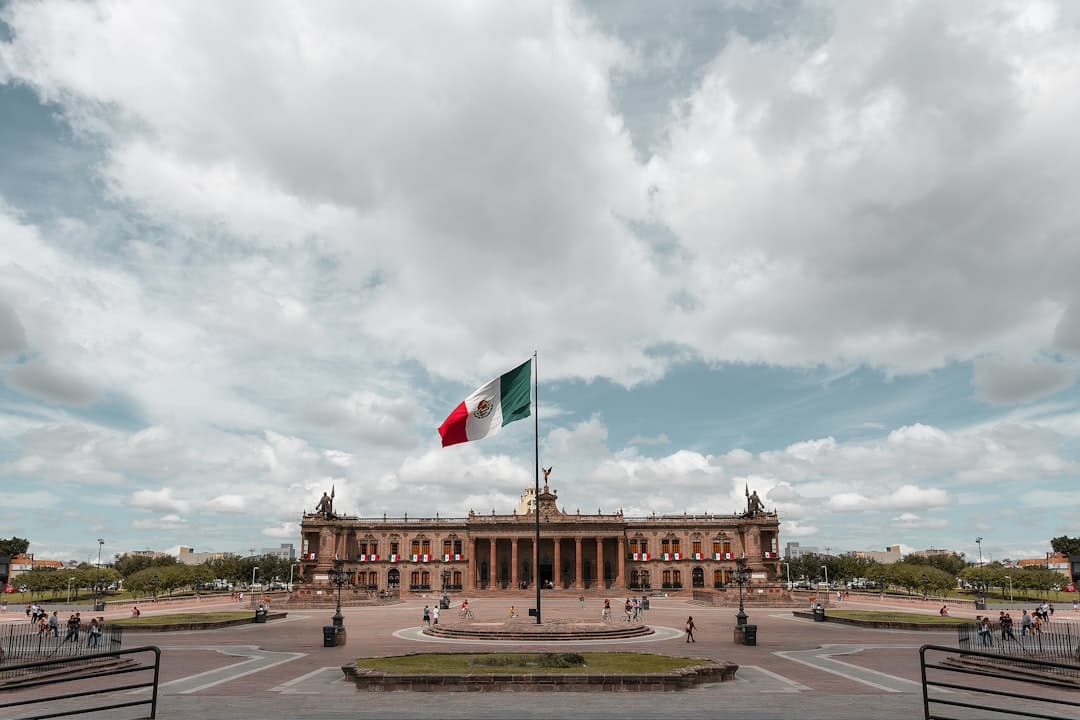
Mexico has steadily built its reputation as a preferred destination for international manufacturing operations, driven by a combination of geographic, economic, and regulatory advantages that few countries in the Western Hemisphere can match.
The Nearshoring Factor
A significant portion of Mexico's industrial growth in recent years is linked to the nearshoring trend, in which multinational companies — particularly those headquartered in the United States, Europe, and Asia — have relocated or expanded production facilities closer to major consumer markets. Mexico, sharing a nearly 3,200-kilometer border with the United States, occupies a natural geographic advantage in this shift.
The reconfiguration of global supply chains, accelerated by disruptions stemming from the COVID-19 pandemic and ongoing geopolitical tensions between the United States and China, has pushed corporations to diversify their manufacturing footprints. Mexico has positioned itself as a primary beneficiary of this structural change.
Trade Agreements as a Competitive Foundation
The United States-Mexico-Canada Agreement (USMCA), which replaced the North American Free Trade Agreement (NAFTA) in 2020, continues to serve as a cornerstone of Mexico's attractiveness to foreign investors. The agreement provides preferential trade access across North America and establishes regulatory frameworks that reduce operational uncertainty for manufacturers.
Beyond North America, Mexico maintains one of the most extensive trade agreement networks in the world, with accords covering markets across Latin America, the European Union, and beyond. This positions Mexican-made goods for broad international distribution with reduced tariff exposure.
Sectoral Strengths
The automotive, aerospace, electronics, and medical devices industries have established particularly deep roots in Mexico's industrial landscape. Northern border states such as Nuevo León, Chihuahua, and Baja California host dense clusters of manufacturing plants — known as maquiladoras — that produce goods primarily destined for the North American market.
Infrastructure investment, including upgrades to ports, rail corridors, and industrial parks, has accompanied this manufacturing expansion, though analysts continue to flag gaps in energy capacity and security conditions as factors that some investors weigh carefully.
Open Questions
How will Mexico manage water scarcity challenges as industrial demand increases in arid northern regions? Can the country develop sufficient skilled labor pipelines to sustain high-value manufacturing growth? And to what extent will energy policy shape the pace of foreign direct investment in the coming decade?
Sources: World Trade Organization (WTO), United States Trade Representative (USTR), Mexican Ministry of Economy (Secretaría de Economía), USMCA full text, World Bank manufacturing data.
This article is based on a verified primary source. The text was editorially reviewed and fact-checked prior to publication.