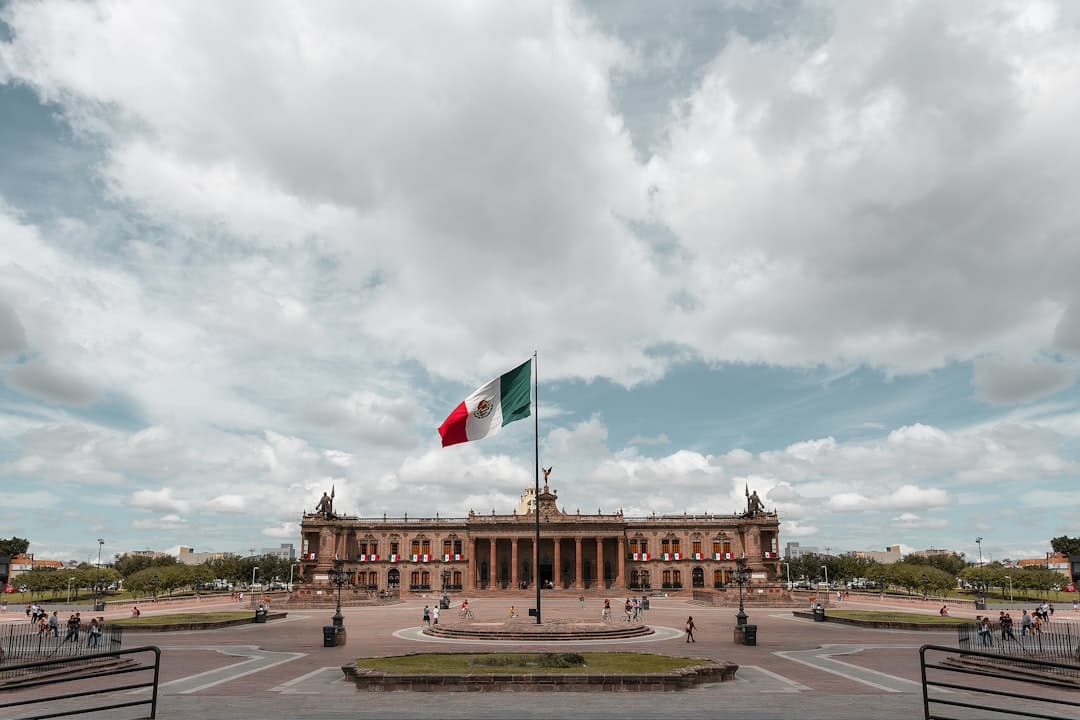
Mexico has positioned itself as one of the primary beneficiaries of a broader global shift in supply chain strategy, as companies across North America, Asia, and Europe seek to reduce their dependence on distant manufacturing centers and bring production closer to end markets.
Drivers Behind the Shift
The movement gained momentum following a series of global disruptions — including pandemic-era logistics bottlenecks and escalating geopolitical tensions — that exposed vulnerabilities in extended supply chains. Mexico's geographic proximity to the United States, its established trade infrastructure under the United States-Mexico-Canada Agreement (USMCA), and its competitive labor costs have made it an attractive alternative for companies reassessing their operational footprints.
Industrial real estate demand has risen significantly in northern and central Mexican states, including Nuevo León, Coahuila, Jalisco, and Querétaro. Vacancy rates in industrial parks across these regions have tightened as manufacturers in sectors such as automotive, electronics, aerospace, and consumer goods expand or establish new facilities.
Economic and Infrastructure Implications
The influx of manufacturing activity has placed pressure on existing infrastructure, prompting both public and private investment in energy supply, transportation networks, and skilled workforce development. State governments have competed actively to attract foreign direct investment, offering incentives and streamlining permitting processes.
The services sector has also expanded in response, with logistics firms, engineering consultancies, and financial institutions scaling operations to support growing industrial clients.
Regional Ripple Effects
While the benefits have been concentrated in established industrial corridors, analysts have observed that secondary cities are beginning to attract overflow investment as primary hubs reach capacity. This dynamic has the potential to distribute economic growth more broadly across Mexican territory over time.
Mexico's integration into North American production networks continues to deepen, reinforcing its role not merely as an assembly location but as a strategic node in global manufacturing ecosystems.
Open Questions
Whether Mexico's infrastructure and energy capacity can scale quickly enough to sustain current investment momentum remains a central concern among business operators. Additionally, the long-term distribution of economic benefits to local communities and labor markets continues to be a subject of policy discussion.
Sources: World Bank, Mexico's Secretariat of Economy (Secretaría de Economía), USMCA official documentation, CBRE industrial real estate reports, Inter-American Development Bank.
This article is based on a verified primary source. The text was editorially reviewed and fact-checked prior to publication.