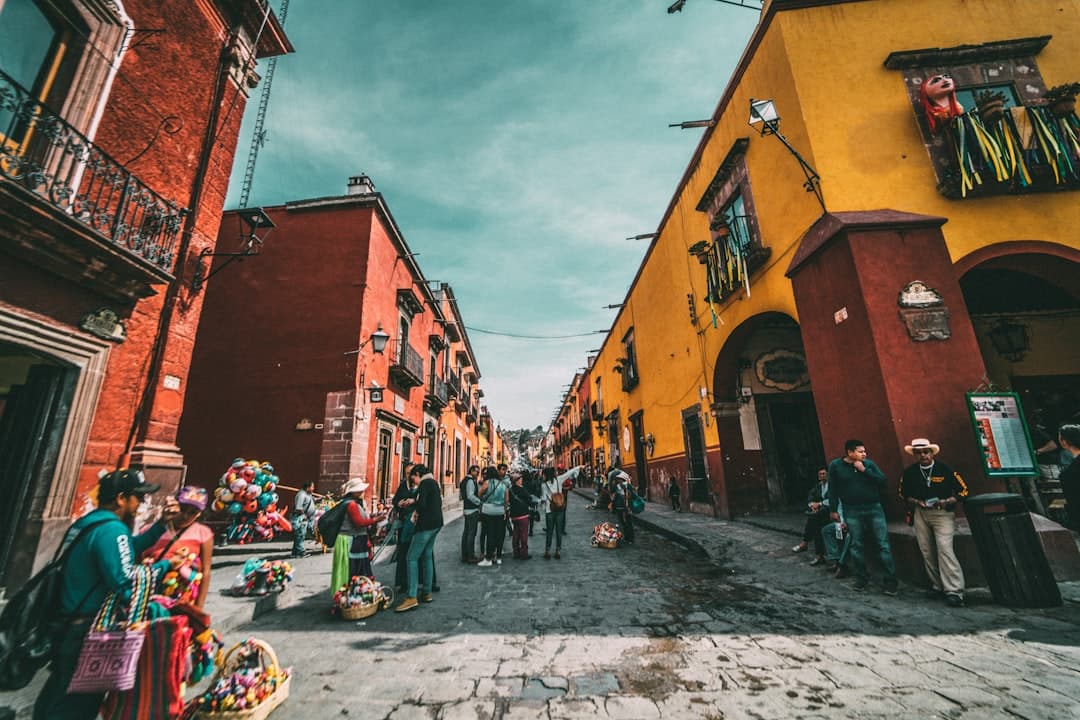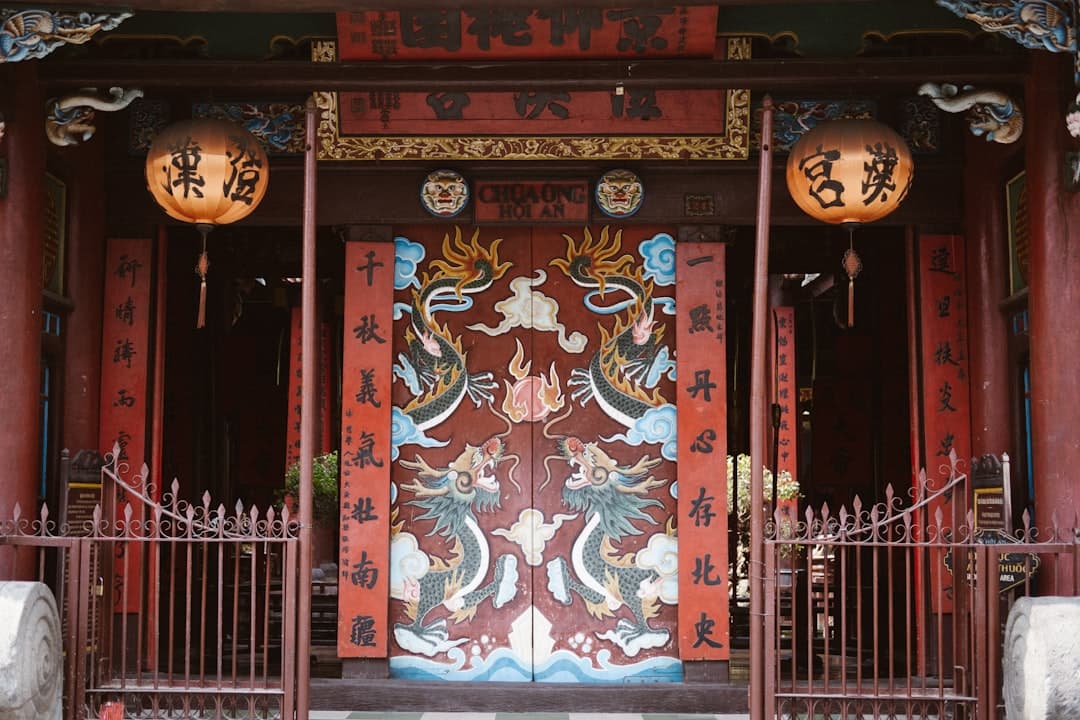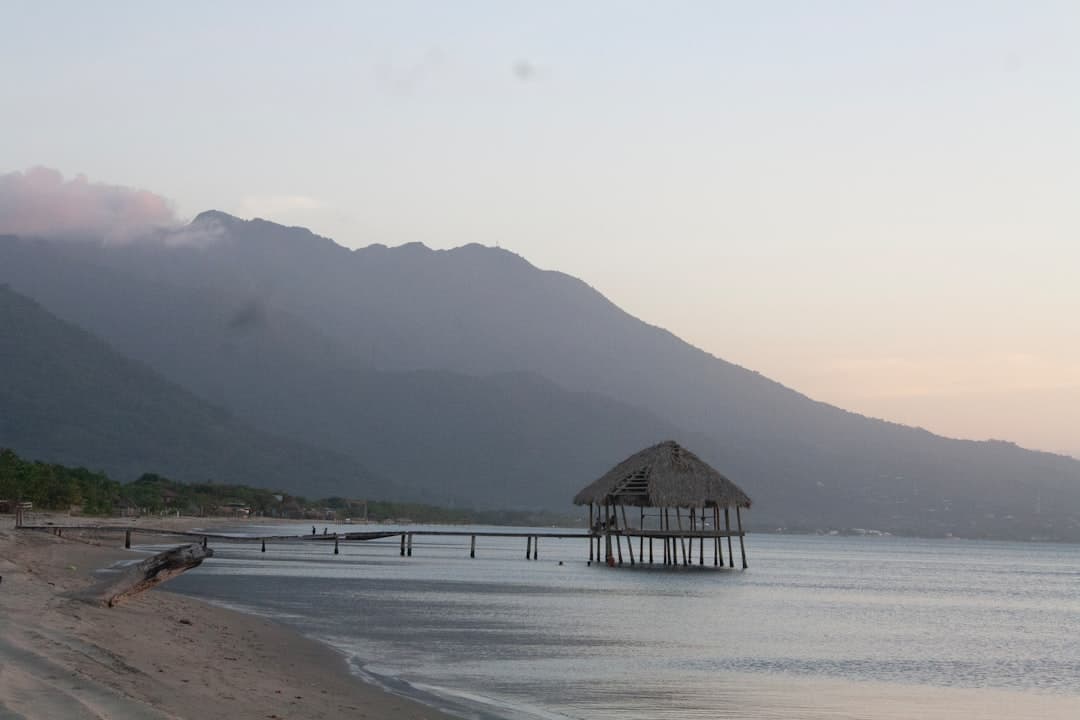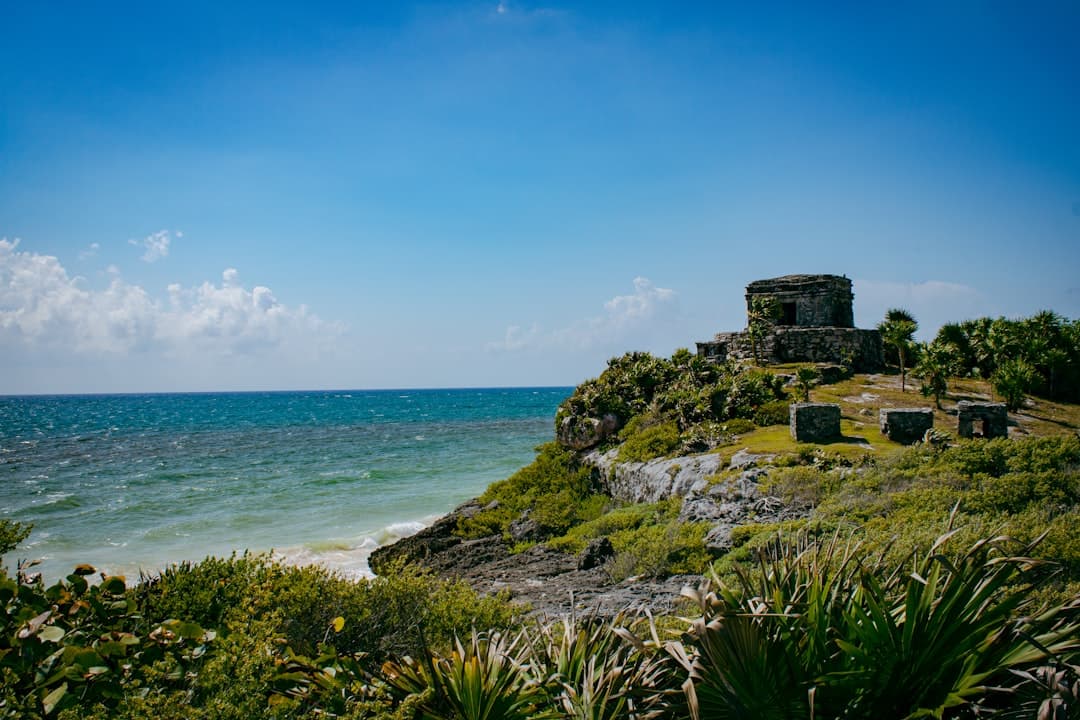
Mexico offers travelers a rare convergence of natural and historical attractions, drawing visitors from across South America, North America, and beyond. Along its two major coastlines and deep into its interior, the country presents destinations that range from white-sand Caribbean shores to pre-Columbian ceremonial centers built by civilizations that flourished centuries before European contact.
Coastal Destinations
The Yucatán Peninsula's Caribbean coast includes the resort corridor known as the Riviera Maya, stretching south from Cancún toward the town of Tulum. The region is recognized for its turquoise waters, coral reef systems, and underground freshwater caves called cenotes, which are unique to the limestone geology of the peninsula. On the Pacific side, destinations such as Los Cabos at the tip of Baja California Sur and Puerto Vallarta along the Jalisco coast offer distinct coastal environments, including the meeting of the Pacific Ocean and the Sea of Cortez.
Archaeological Heritage
Mexico is home to several UNESCO World Heritage Sites tied to pre-Columbian civilizations. Chichén Itzá, located in the Yucatán state, contains the pyramid known as El Castillo, constructed by the Maya and recognized globally as an architectural landmark. Teotihuacán, situated near Mexico City, predates the Aztec Empire and features the Pyramid of the Sun and the Pyramid of the Moon along a central axis called the Avenue of the Dead. Monte Albán in Oaxaca represents the Zapotec civilization and sits atop a leveled mountain overlooking the Oaxaca Valley.
Regional Accessibility
Mexico shares direct air routes with numerous South American capitals, making it accessible for regional travelers. Major international airports in Mexico City, Cancún, and Guadalajara serve as primary entry points. Travelers from Brazil, Argentina, Colombia, and Chile have access to direct or single-connection flights to these hubs.
Open Questions
How ongoing infrastructure development along the Yucatán Peninsula's Tren Maya railway corridor will affect surrounding archaeological zones and ecosystems remains under active study and public debate.
Sources: UNESCO World Heritage Centre (whc.unesco.org), Mexico Tourism Board (visitmexico.com), INAH — Instituto Nacional de Antropología e Historia (inah.gob.mx)
This article is based on a verified primary source. The text was editorially reviewed and fact-checked prior to publication.