Mexico attracts millions of international visitors each year, consistently placing among the top destinations globally according to the United Nations World Tourism Organization. The country's appeal spans a broad spectrum of traveler profiles, from those seeking archaeological sites to beach tourism, culinary experiences, and urban exploration.
A Geographic and Cultural Mosaic
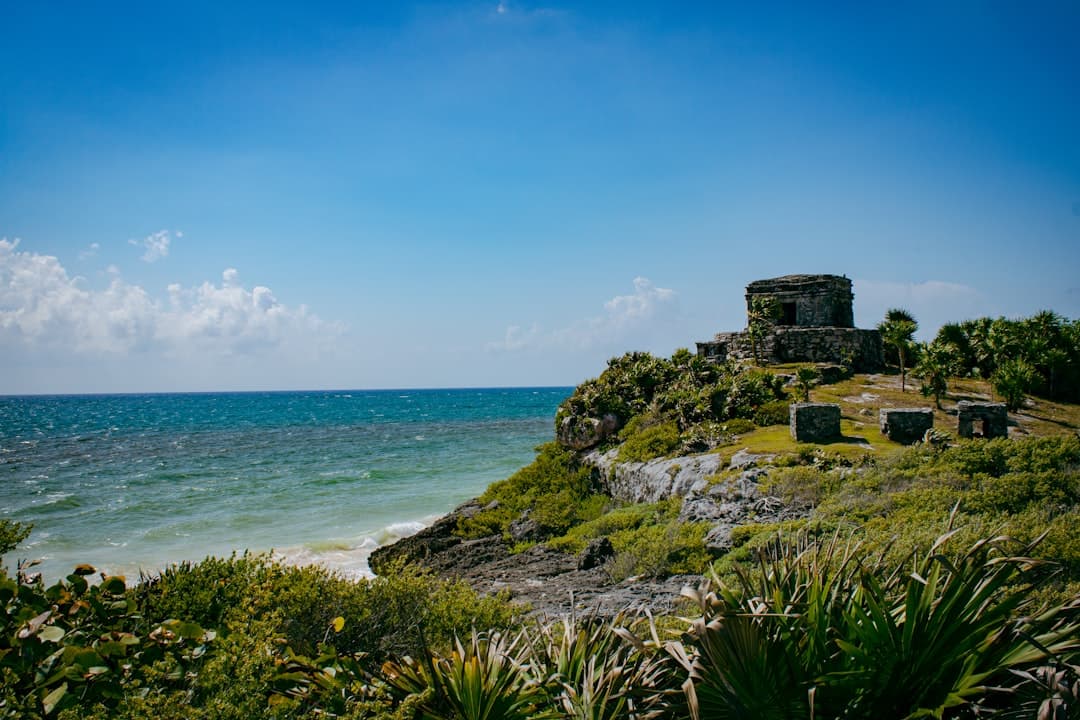
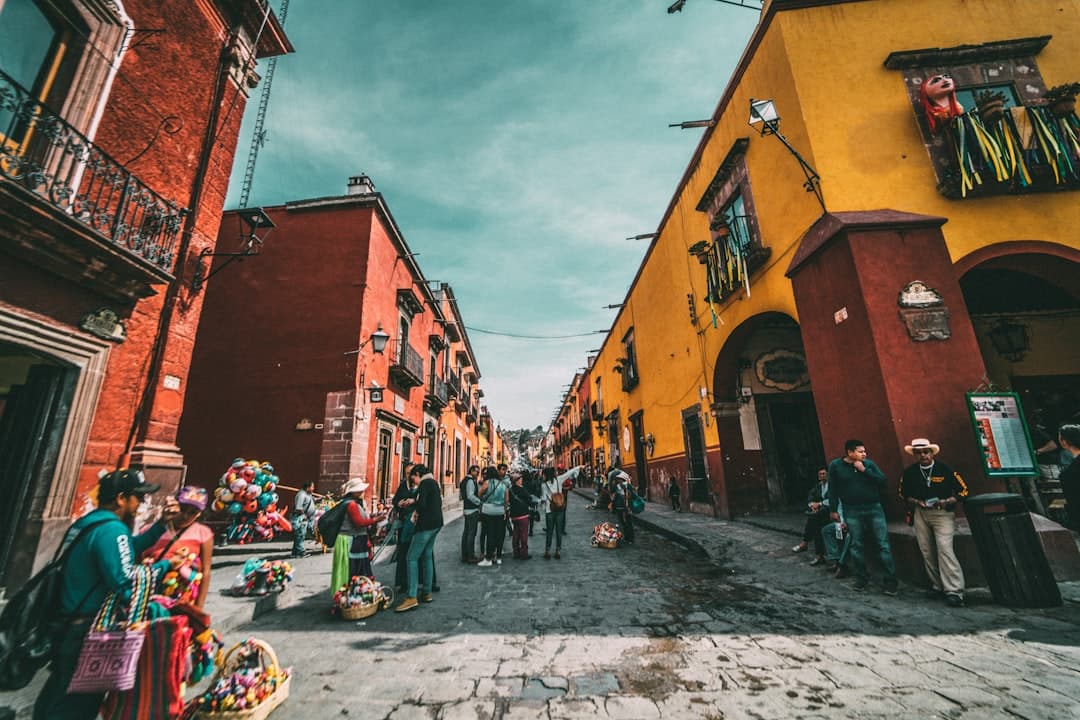
Stretching from the Sonoran Desert in the north to tropical rainforests in the south, Mexico offers a striking range of landscapes within a single national border. The country is home to 35 UNESCO World Heritage Sites, encompassing pre-Columbian ruins such as Teotihuacán and Chichén Itzá, colonial city centers including Oaxaca and Guanajuato, and natural reserves along the Yucatán Peninsula.
Mexican cuisine holds its own UNESCO recognition as an Intangible Cultural Heritage of Humanity, a distinction that contributes to gastronomic tourism concentrated in cities like Mexico City, Oaxaca, and Mérida.
Infrastructure and Accessibility
Mexico operates several major international airports, with Benito Juárez International Airport in Mexico City and the Felipe Ángeles International Airport serving as primary hubs. The Cancún International Airport handles a significant share of leisure arrivals, particularly from the United States, Canada, and Europe.
The country shares a land border with the United States, making it accessible by road and rail in addition to air travel — a logistical advantage few competing destinations can match for North American travelers.
Economic Factors
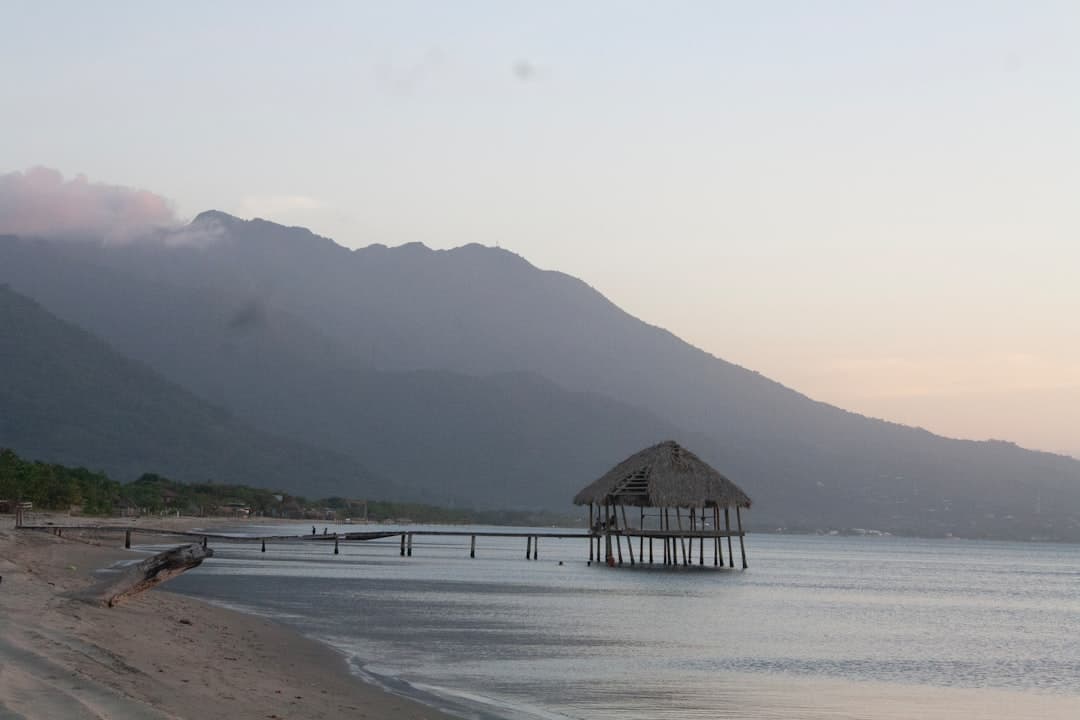
Relative currency exchange rates have historically made Mexico a cost-effective destination for travelers from stronger-currency economies. The hospitality sector ranges from budget accommodations to internationally recognized luxury resorts, particularly along the Caribbean and Pacific coasts.
The tourism sector represents one of Mexico's largest sources of foreign income, creating institutional incentives at federal and state levels to maintain and expand visitor infrastructure.
Open Questions
Regional security conditions vary considerably across Mexican states and continue to influence traveler decisions and governmental travel advisories. How individual destinations manage public safety perceptions remains a central challenge for the sector.
Sources: UN World Tourism Organization (UNWTO), UNESCO World Heritage List, UNESCO Intangible Cultural Heritage Registry, Mexico's Secretaría de Turismo (SECTUR)
This article is based on a verified primary source. The text was editorially reviewed and fact-checked prior to publication.