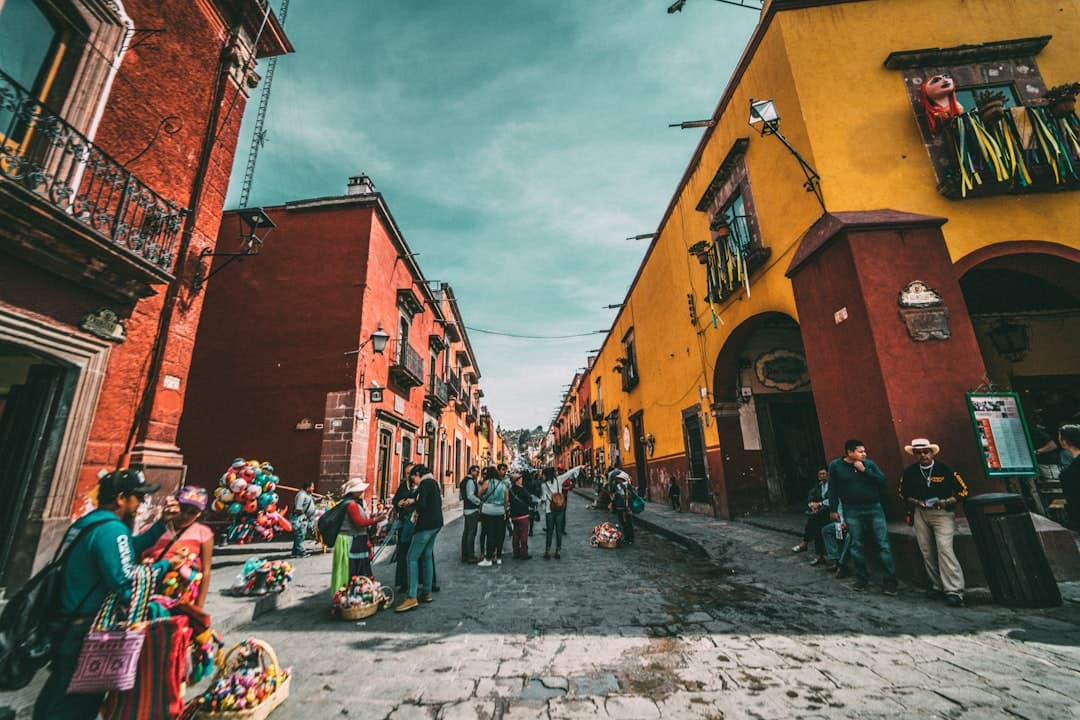
Mexico's tourism infrastructure extends far beyond the hotel strips of Cancún and the Riviera Maya, with dozens of destinations offering access to ancient archaeology, colonial architecture, and diverse ecosystems recognized by UNESCO and international travel bodies.
Oaxaca: Colonial Architecture and Indigenous Culture
The southern state of Oaxaca is home to the archaeological site of Monte Albán, a pre-Columbian Zapotec city perched on a flattened mountain overlooking the Oaxaca Valley. The state capital, also called Oaxaca de Juárez, holds UNESCO World Heritage status for its historic center, characterized by green stone baroque buildings and a grid of pedestrian streets. The region is also recognized for its traditional textile markets, mezcal production, and Día de los Muertos celebrations.
San Cristóbal de las Casas and the Chiapas Highlands
Located in the highlands of Chiapas, San Cristóbal de las Casas serves as a base for visiting indigenous Tzotzil and Tzeltal communities. Nearby, the Sumidero Canyon offers dramatic geological formations viewable by boat along the Grijalva River. The Palenque archaeological zone, also in Chiapas, contains well-preserved Maya temples set within tropical jungle terrain.
Guanajuato and the Colonial Heartland
The city of Guanajuato, a UNESCO World Heritage Site, features a network of underground tunnels originally built as flood channels that now serve as roadways beneath the city. The region anchors Mexico's Ruta de la Independencia and hosts the annual Festival Internacional Cervantino, one of Latin America's largest arts festivals.
The Copper Canyon Region
In the northern state of Chihuahua, the Copper Canyon system — known locally as Barrancas del Cobre — comprises a series of canyons larger in combined area than the Grand Canyon in the United States. The Ferrocarril Chihuahua al Pacífico, commonly called the Chepe train, traverses the canyon system and is considered one of the most scenic rail routes in the Americas.
Open Questions
As infrastructure investment in Mexico's interior continues, questions remain about sustainable tourism capacity in heritage cities and the balance between accessibility and conservation at protected archaeological sites.
Sources: UNESCO World Heritage List, Mexico's Secretaría de Turismo (SECTUR), National Institute of Anthropology and History of Mexico (INAH), Ferrocarril Chihuahua al Pacífico official records.
This article was compiled with the support of advanced research technology, based on multiple verified sources, and reviewed by our editorial team.