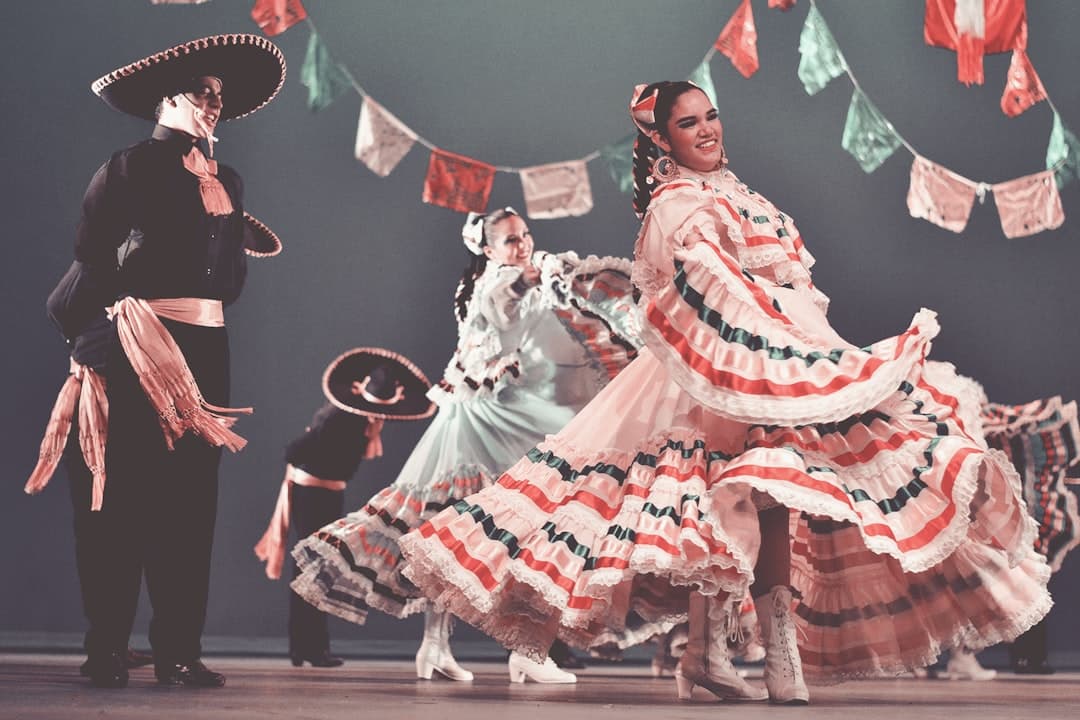
Mexican cuisine, recognized by UNESCO as an Intangible Cultural Heritage of Humanity since 2010, represents one of the most geographically diverse food traditions in the Western Hemisphere. The country's varying climates, ecosystems, and indigenous histories have produced a patchwork of regional kitchens that differ substantially from one another.
The South: Oaxaca and Chiapas
Oaxaca is widely regarded as the country's culinary heartland, producing seven distinct varieties of mole — complex sauces built from dried chiles, chocolate, and spices that require hours of preparation. The state also produces mezcal under regulated denomination of origin standards, and its markets in cities like Tlacolula serve as weekly gathering points where traditional ingredients remain central to commerce and community life. Chiapas, bordering Guatemala, shares culinary influences with Central American traditions, incorporating ingredients such as chipilín, a leafy herb used in tamales and soups.
The North: Cattle Country and Flour Traditions
Northern states including Sonora, Chihuahua, and Nuevo León developed distinct food cultures shaped by arid landscapes and cattle ranching. Wheat flour tortillas, machaca — dried and shredded beef — and grilled meats dominate this region's tables. Sonoran-style flour tortillas are notably thinner and larger than those found elsewhere, a product of local wheat cultivation traditions.
The Gulf and Yucatán Peninsula
Veracruz, along the Gulf Coast, reflects centuries of African, Spanish, and indigenous exchange through dishes like huachinango a la veracruzana, a red snapper preparation using olives, capers, and tomatoes. The Yucatán Peninsula maintains perhaps the most intact pre-Hispanic culinary framework, centering on achiote paste, recado spice blends, and cooking methods such as pib — underground pit roasting — used for cochinita pibil.
Markets as Living Archives
Public markets across Mexico function as primary access points for regional food culture. Mercado Benito Juárez in Oaxaca, Mercado de San Juan in Mexico City, and Mercado Lucas de Gálvez in Mérida each offer prepared foods and raw ingredients that reflect their surrounding agricultural and cultural ecosystems. These spaces continue to operate as centers of culinary knowledge transmission between generations.
Open Questions
Researchers and food historians continue to examine how internal migration patterns affect regional culinary identity, and whether urbanization accelerates the standardization of dishes that were once hyper-local. The role of formal culinary education versus informal household transmission in preserving technique also remains an area of active discussion.
Sources: UNESCO Intangible Cultural Heritage Lists; Secretaría de Turismo de México (SECTUR); Consejo Regulador del Mezcal; academic documentation on Mesoamerican food systems.
This article was compiled with the support of advanced research technology, based on multiple verified sources, and reviewed by our editorial team.